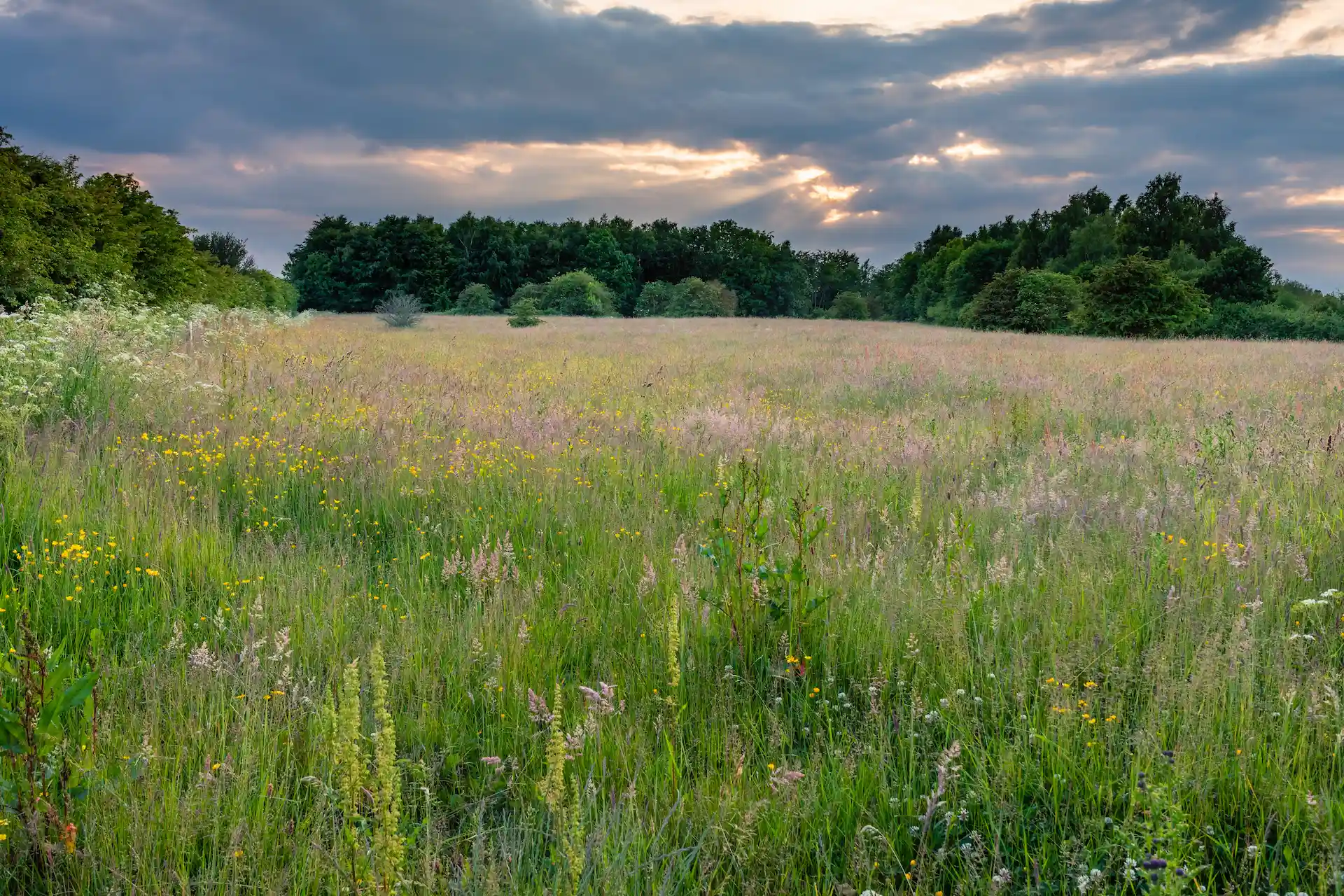
Walk through any British meadow, woodland edge, or even along a country lane, and you’re treading through one of the world’s oldest pharmacies. Long before chemists lined high streets and medicine cabinets filled our homes, our ancestors turned to the flowers, leaves, and roots growing wild around them for healing and comfort.
These aren’t just quaint folk tales—many of Britain’s native wildflowers contain potent compounds that modern science has validated, and some continue to form the basis of contemporary medicines. Understanding these plants connects us not only to our landscape but to generations of herbalists, wise women, and country doctors who knew the healing secrets hidden in plain sight.
The Gentle Giants: Elderflower’s Timeless Appeal
Few British plants are as deeply woven into our healing traditions as the elder tree. Come early summer, its creamy white flower heads perfume the countryside with their distinctive honey-like fragrance, signaling the arrival of one of nature’s most versatile remedies.
Elderflower has been Britain’s go-to remedy for respiratory ailments for centuries. The flowers contain powerful flavonoids, particularly rutin and quercetin, which have natural anti-inflammatory and antiviral properties. Traditional herbalists prescribed elderflower tea for coughs, colds, and hay fever—recommendations that modern research has largely supported.
The flowers also contain compounds that promote sweating, making elderflower cordial more than just a delicious summer drink. Our grandmothers knew that a hot cup of elderflower tea could help “break a fever” by encouraging the body’s natural cooling mechanism. Today, elderflower extract appears in countless commercial cold remedies and immune support supplements.

What makes elderflower particularly special is its gentle nature. Unlike some herbal medicines that can be harsh or have strong side effects, elderflower is safe for most people, including children and the elderly. It’s this combination of effectiveness and gentleness that has kept it in constant use across the generations.
Chamomile: The Humble Healer
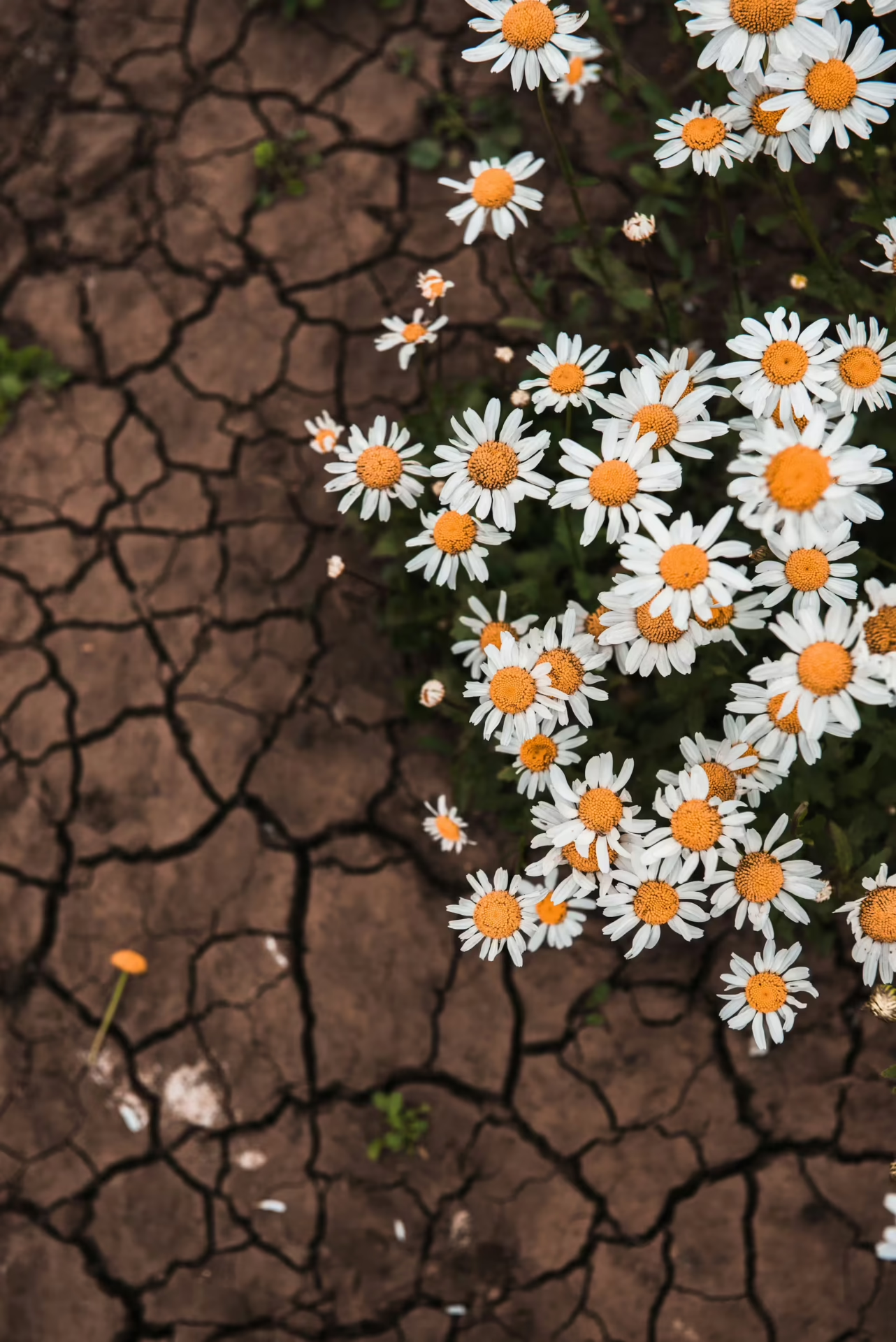
Perhaps no flower is more synonymous with herbal healing than chamomile. Both the native wild chamomile and its cultivated German cousin have carpeted British soil for millennia, their small daisy-like flowers hiding remarkable therapeutic properties.
The secret lies in chamomile’s essential oils, particularly a compound called chamazulene, which gives the flowers their characteristic blue tint when distilled. This compound, along with apigenin and bisabolol, creates a potent anti-inflammatory and calming effect that has made chamomile tea the world’s most popular bedtime beverage.
Roman chamomile, our native species, was so valued that it was often called “the plant’s physician” because it seemed to improve the health of nearby plants. Medieval monastery gardens always included chamomile, and it was strewn on floors to release its apple-like scent when walked upon—a practice that gave it the old name “earth apple.”
Modern research has confirmed what traditional herbalists always knew: chamomile genuinely promotes relaxation and sleep. Studies show that regular chamomile consumption can reduce anxiety, improve sleep quality, and even help with digestive issues. The compounds in chamomile bind to the same brain receptors as some anti-anxiety medications, but without the dependency or side effects.

Meadowsweet: Nature’s Aspirin
Standing tall in damp meadows and along stream banks, meadowsweet might look like an unremarkable member of the rose family, but its creamy, almond-scented flowers contain one of medicine’s most important discoveries. Long before aspirin was synthesized in laboratories, our ancestors were using meadowsweet to relieve pain and reduce fever.
The plant contains salicin, the precursor to salicylic acid, which forms the basis of aspirin. Medieval herbalists called it “queen of the meadow” and used it to treat everything from headaches to joint pain. The plant was so associated with pain relief that it was traditionally strewn at weddings to ensure the couple’s future happiness would be free from the aches and pains of life.
What’s remarkable about meadowsweet is that it contains natural compounds that protect the stomach lining—something synthetic aspirin lacks. Traditional herbalists often prescribed meadowsweet for digestive issues, unknowingly benefiting from this protective effect. Modern herbalists still use meadowsweet as a gentler alternative to aspirin for those with sensitive stomachs.
The plant also contains tannins and flavonoids that give it additional anti-inflammatory properties. These compounds work together in what herbalists call “synergy”—the idea that the whole plant is often more effective than isolated compounds.
From Hedgerow to Medicine Cabinet: Other Wild Healers
Britain’s countryside holds countless other healing flowers, each with its own story and properties. Hawthorn blossoms, with their distinctive smell and delicate white petals, have been used for heart health for over a thousand years. Modern research confirms that hawthorn can help regulate blood pressure and support cardiovascular function.
Red clover, painting meadows purple in summer, contains plant compounds called isoflavones that may help balance hormones naturally. Traditional herbalists used red clover for women’s health, particularly during menopause—a use that continues today.
The cheerful yellow flowers of St. John’s wort, blooming around the summer solstice, contain hypericin and hyperforin, compounds that have been extensively studied for their mood-supporting properties. While this plant requires careful use due to potential interactions with medications, it remains one of Europe’s most researched herbal antidepressants.
The Science Behind the Tradition
What’s fascinating about traditional herbal medicine is how often modern science validates ancient wisdom. Many of these plants work through multiple mechanisms, providing what researchers call “polypharmacy”—using multiple compounds working together rather than single isolated drugs.
Plants produce these medicinal compounds as protection against insects, fungi, and other threats. When we use these plants medicinally, we’re essentially borrowing their natural defense systems. This explains why plant medicines often have fewer side effects than synthetic drugs—they’ve evolved to be effective without being toxic to the organisms that occasionally consume them.
Growing Your Own Medicine Garden
Creating a small medicinal flower garden connects you directly to this ancient tradition. Many of these plants are surprisingly easy to grow and will thrive in British conditions.
Chamomile self-seeds readily and prefers poor soil, making it perfect for neglected corners. Elder trees can be grown from cuttings and will provide flowers within a few years. Meadowsweet loves damp conditions and is ideal for boggy areas where other plants struggle.
When growing medicinal plants, avoid using pesticides or chemical fertilizers, as these can interfere with the plants’ natural compounds. Harvest flowers on dry, sunny mornings after the dew has evaporated, when their essential oil content is highest.
Important Considerations
While these plants have been used safely for centuries, it’s important to approach herbal medicine with respect and knowledge. Always properly identify plants before using them—some beneficial plants have toxic look-alikes. If you’re pregnant, nursing, or taking medications, consult with a healthcare provider before using herbal remedies.
Start with small amounts to test your body’s response, and remember that “natural” doesn’t always mean “safe for everyone.” Even gentle herbs like chamomile can cause allergic reactions in sensitive individuals.
Preserving Ancient Wisdom
As we face increasing challenges with antibiotic resistance and side effects from synthetic medications, there’s growing interest in rediscovering these traditional plant medicines. Many pharmaceutical companies are investigating compounds from traditional healing plants, sometimes finding new applications for ancient remedies.
Yet there’s something irreplaceable about the direct relationship between people and plants that characterizes traditional herbal medicine. When you gather elderflowers for cordial or dry chamomile for evening tea, you’re participating in an unbroken chain of knowledge that stretches back thousands of years.
The Future of Plant Medicine
Climate change and habitat loss threaten many of our medicinal plants, making conservation efforts crucial. By growing these plants in our gardens and learning about their uses, we help preserve both the plants themselves and the traditional knowledge associated with them.
Some of Britain’s rarest medicinal plants, like wild liquorice and marsh mallow, exist in only a few locations. Supporting wildflower meadow restoration and sustainable harvesting practices helps ensure these natural pharmacies remain available for future generations.
A Living Connection
Every time you sip chamomile tea before bed or add elderflower cordial to sparkling water, you’re connecting with countless generations who found healing in these same plants. These flowers link us to our ancestors, to the land, and to the remarkable intelligence of nature itself.
Our wild flowers offer more than beauty—they provide a direct connection to the healing power of the natural world. In recognizing and respecting these gifts, we honor both the plants themselves and the wisdom of those who first discovered their secrets. Britain’s natural pharmacy remains open, waiting for those who know how to read its ancient prescriptions written in petals and leaves.