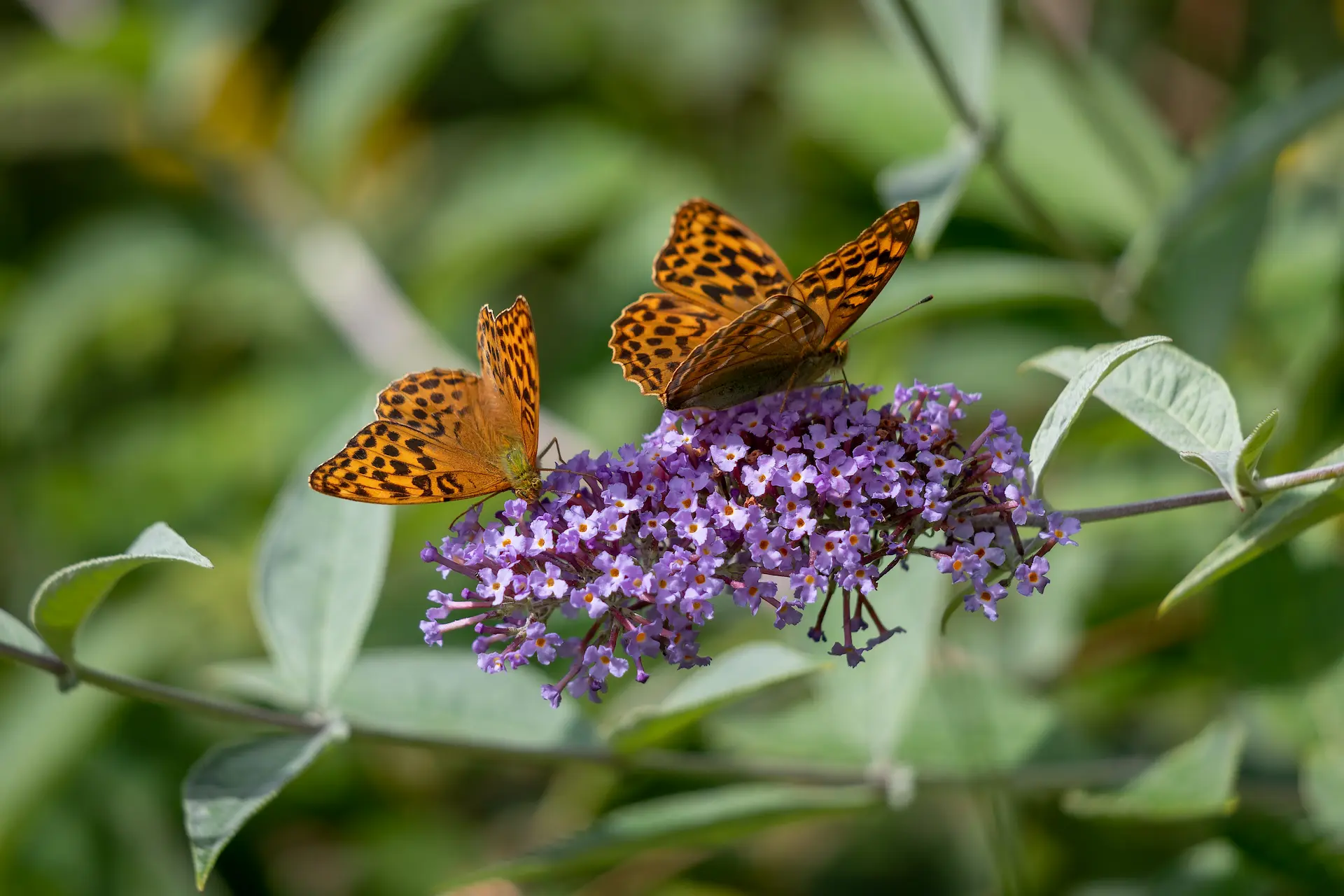
Summer Wildlife
A Guide to UK Wildlife & Garden Flowers
Wildlife in Full Swing
Summer represents the peak of wildlife activity in the UK. Long days and warm temperatures create perfect conditions for feeding, breeding, and raising young. Gardens, parks, and countryside buzz with activity as insects reach their peak abundance, supporting countless birds, bats, and other wildlife. This is the season when wildlife is most visible and active, making it an ideal time for observation and conservation action.
Wildlife to Spot This Season
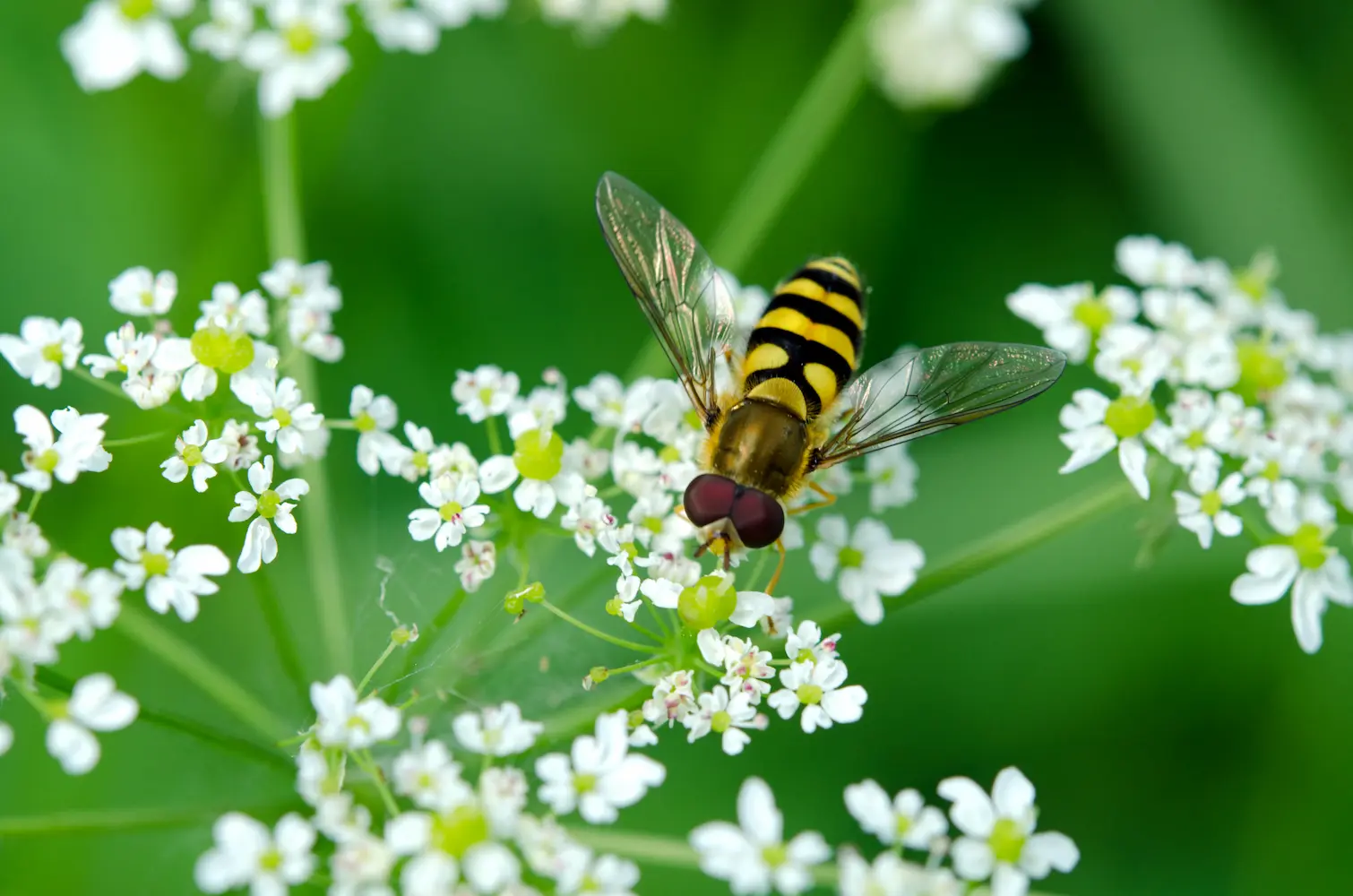
Hoverfly
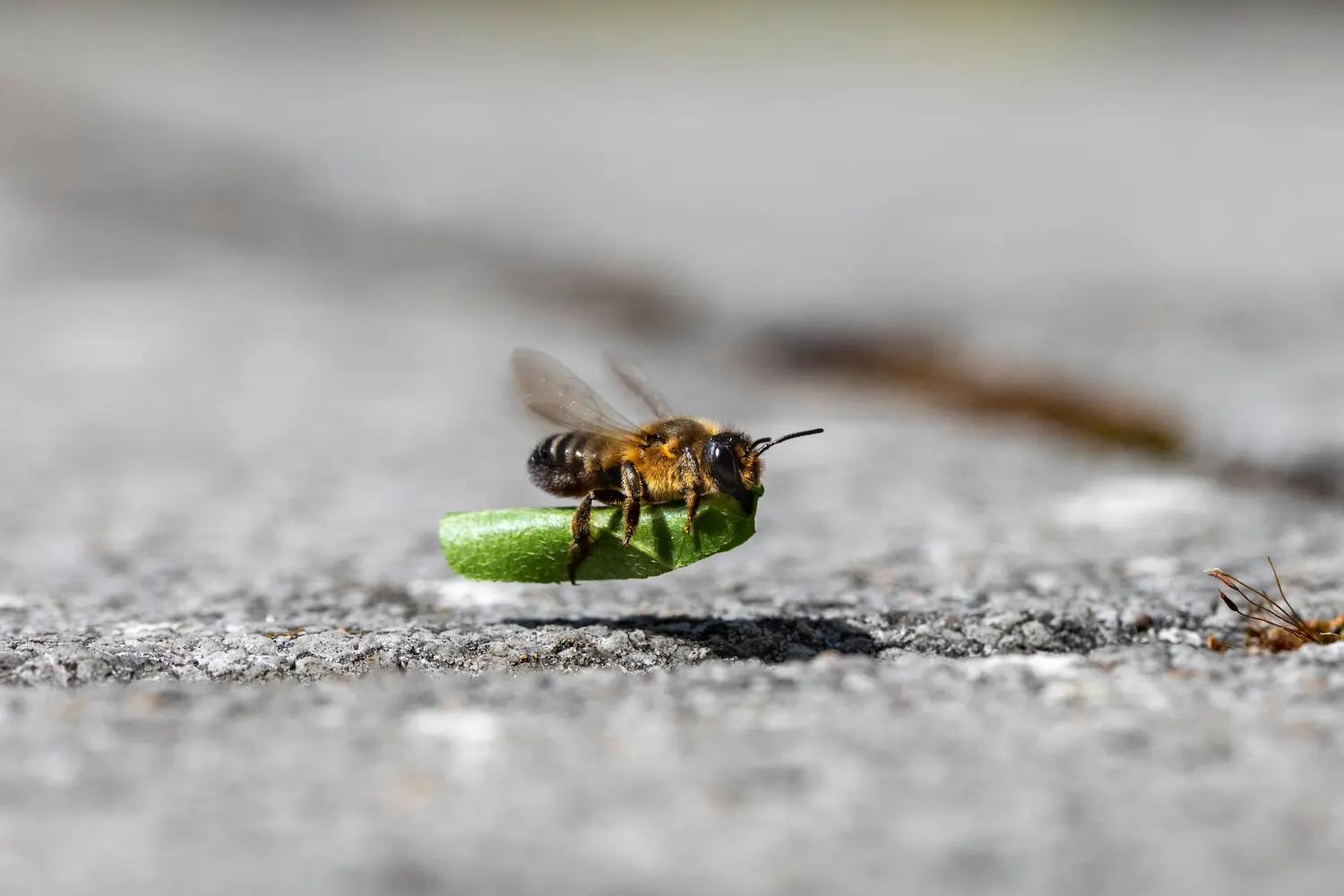
Leaf-cutter Bee
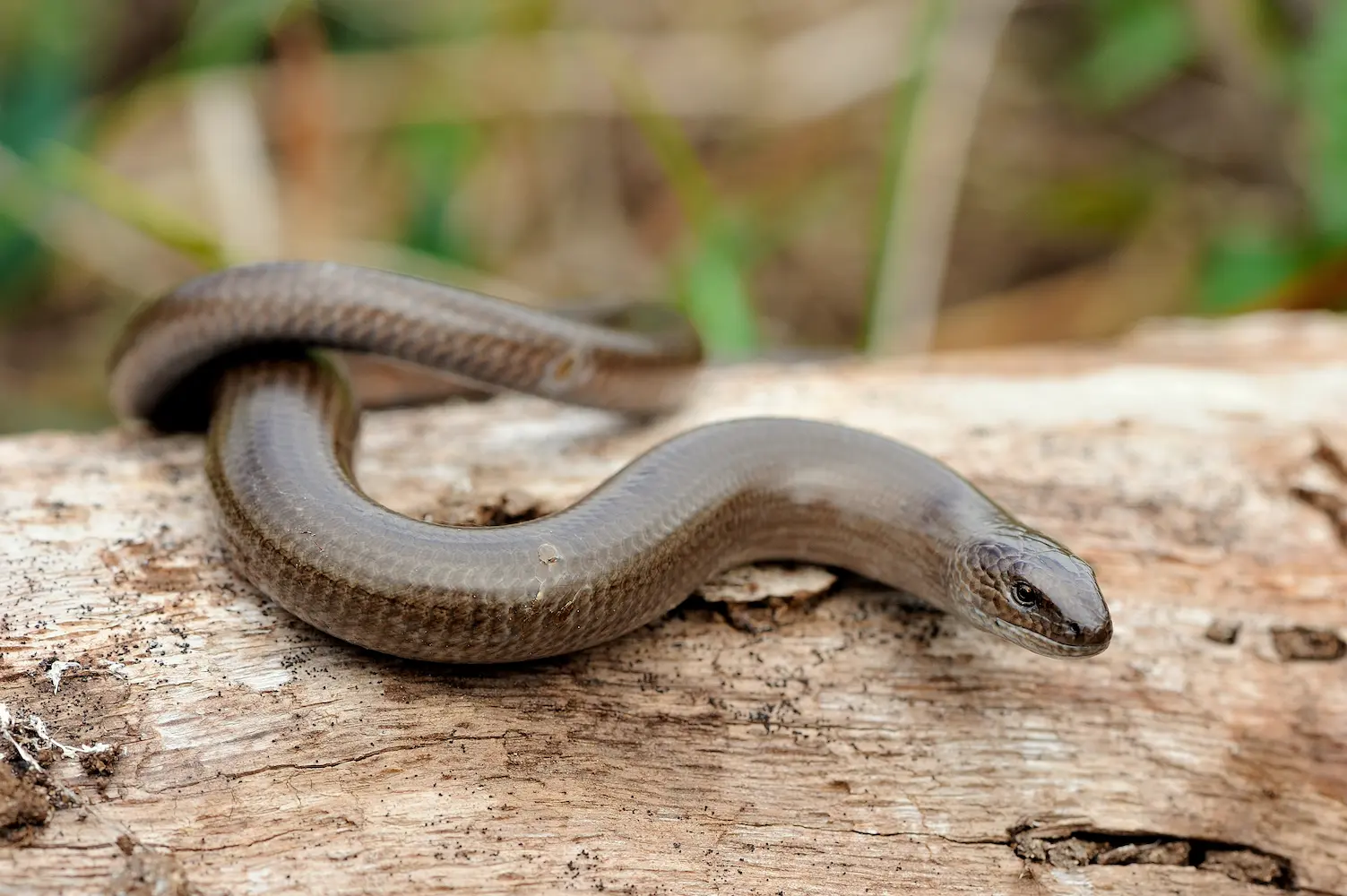
Slow Worm
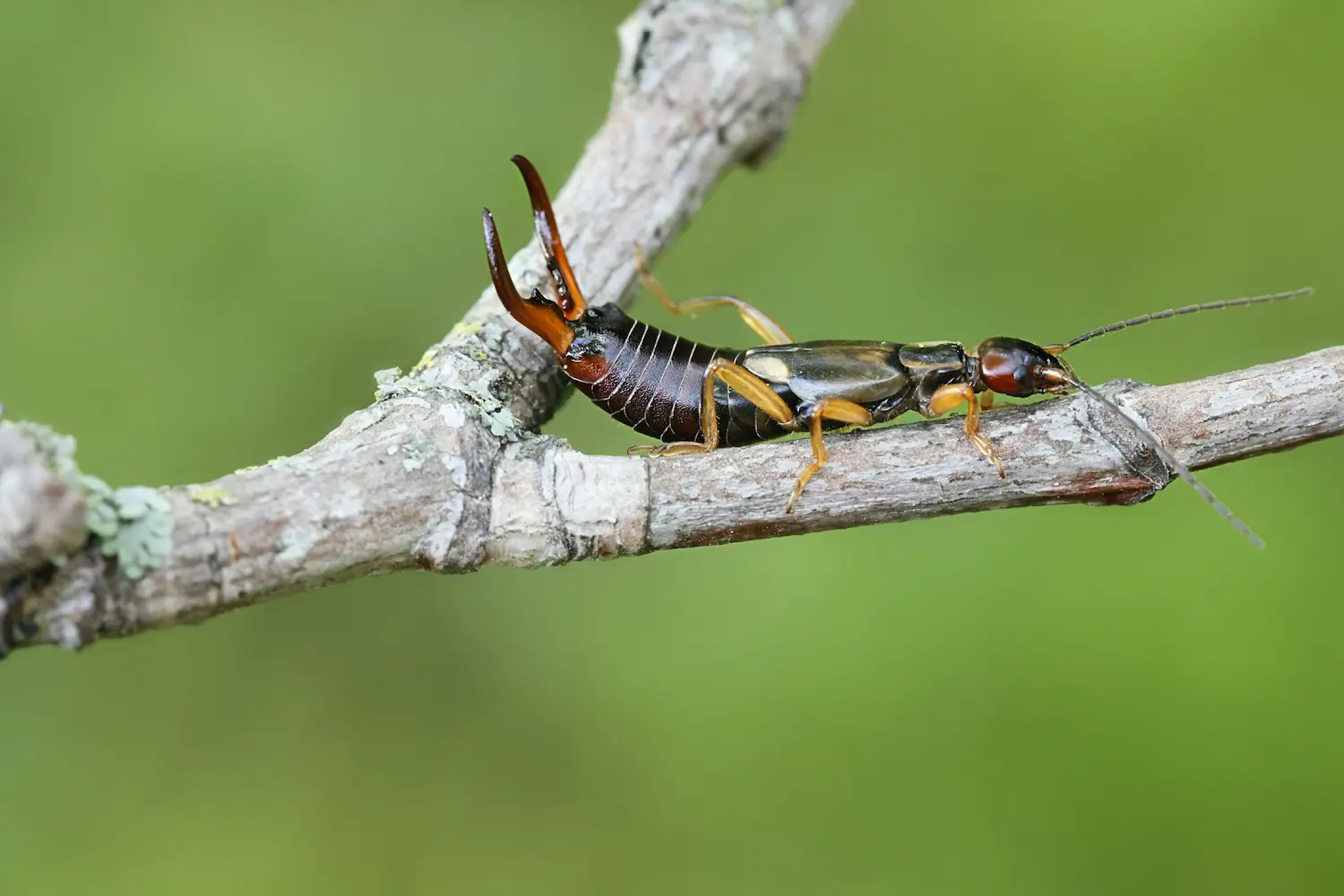
Earwig
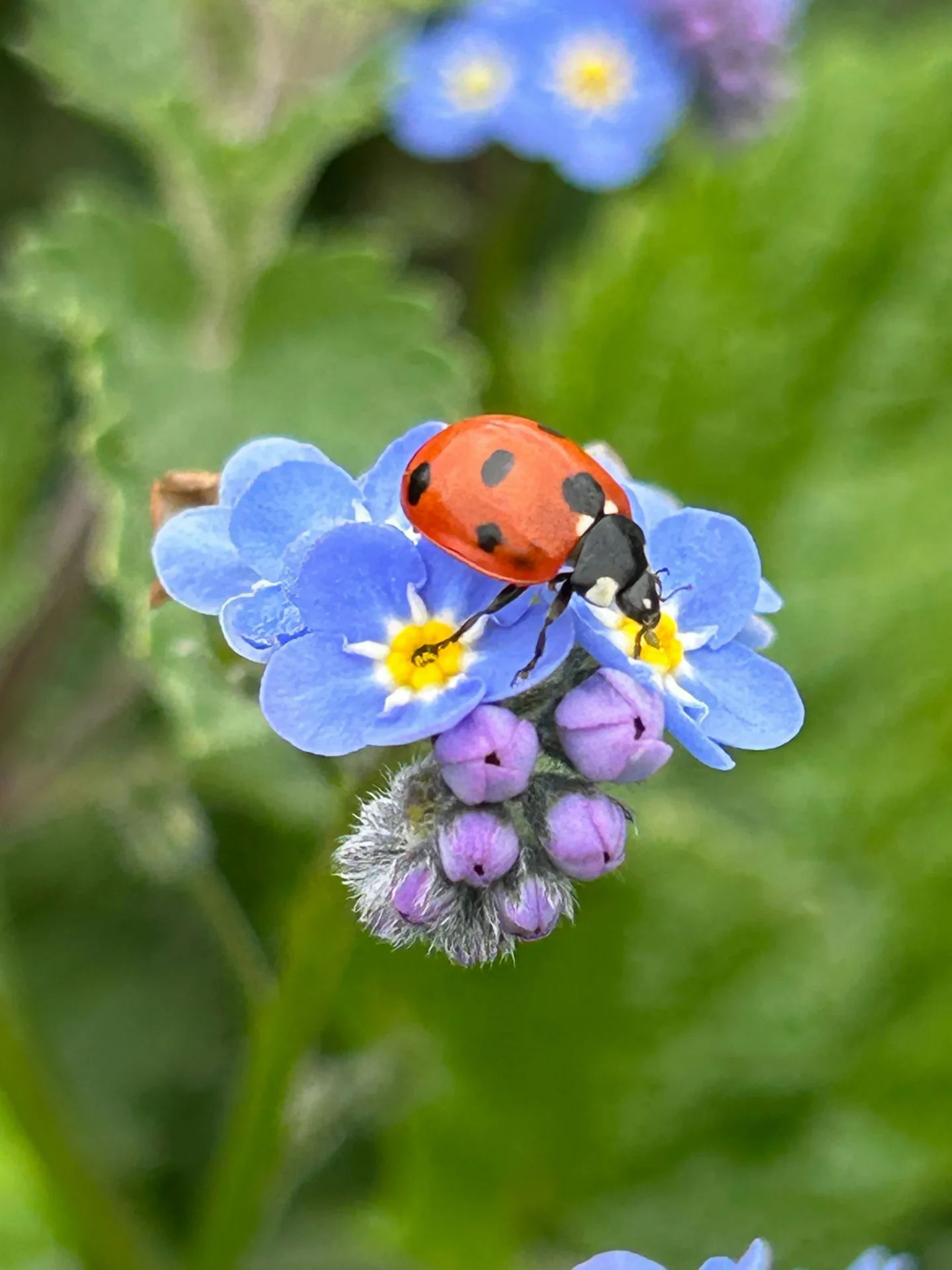
Ladybird
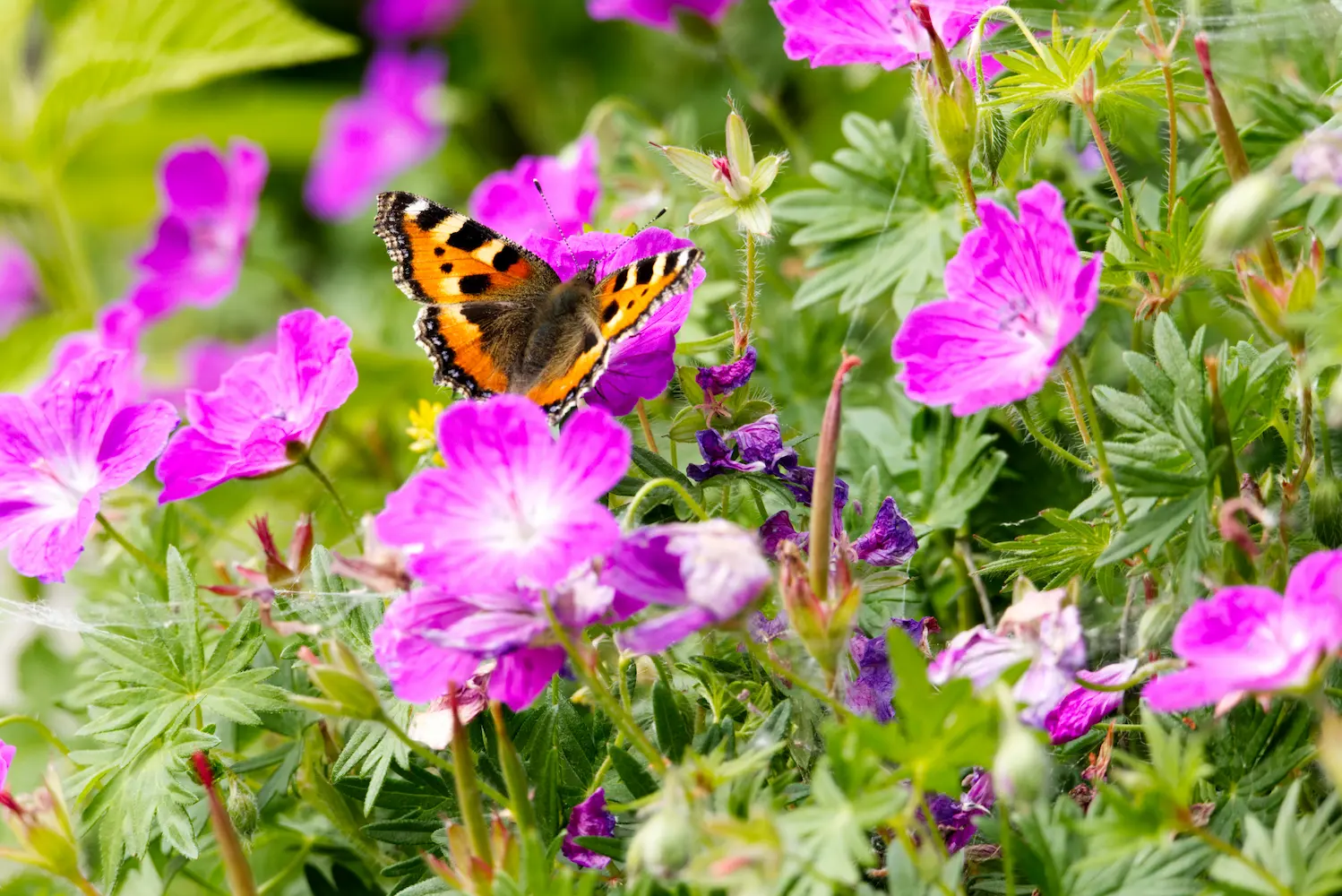
Small Tortoiseshell Butterfly

Summer Wildlife Abundance
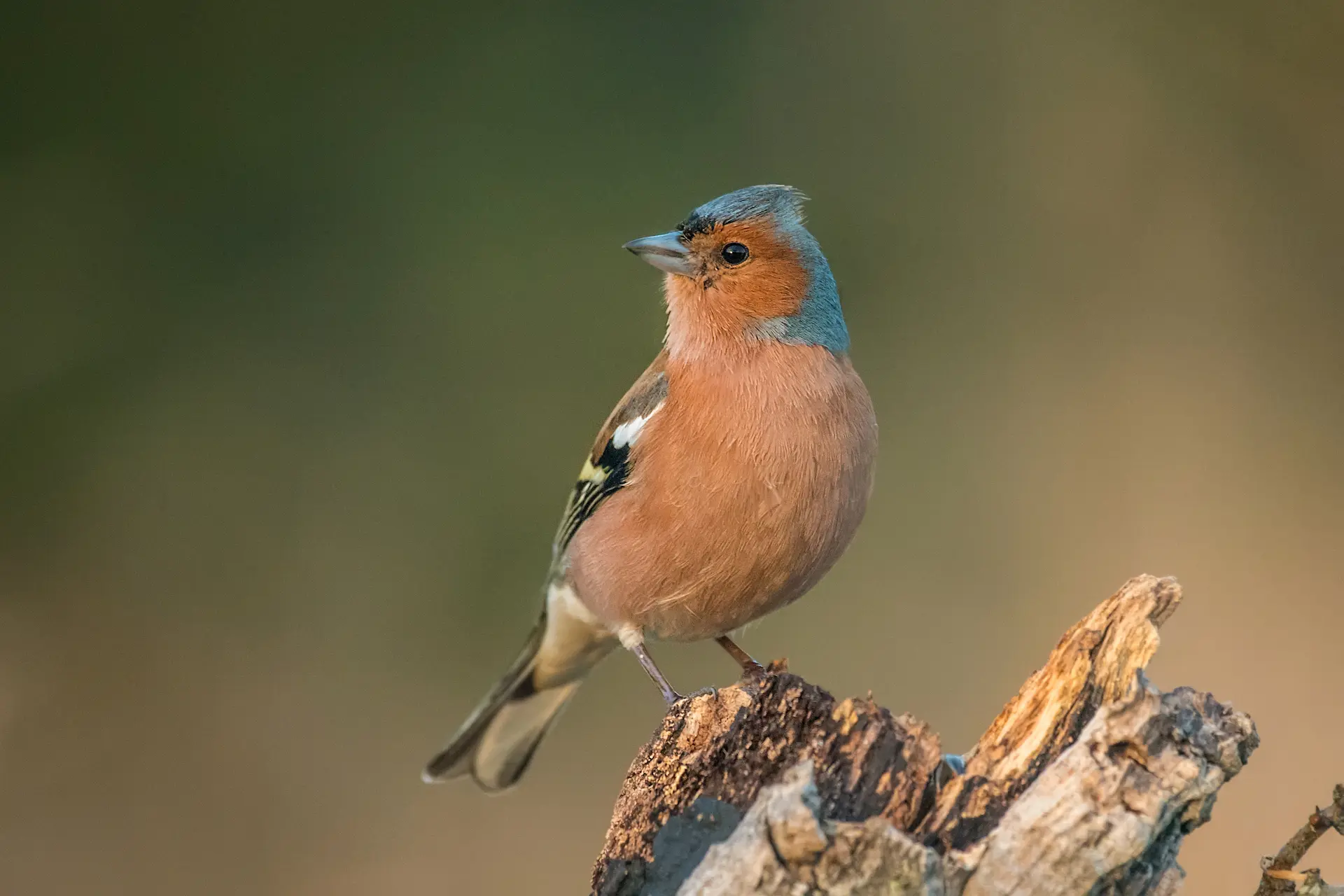
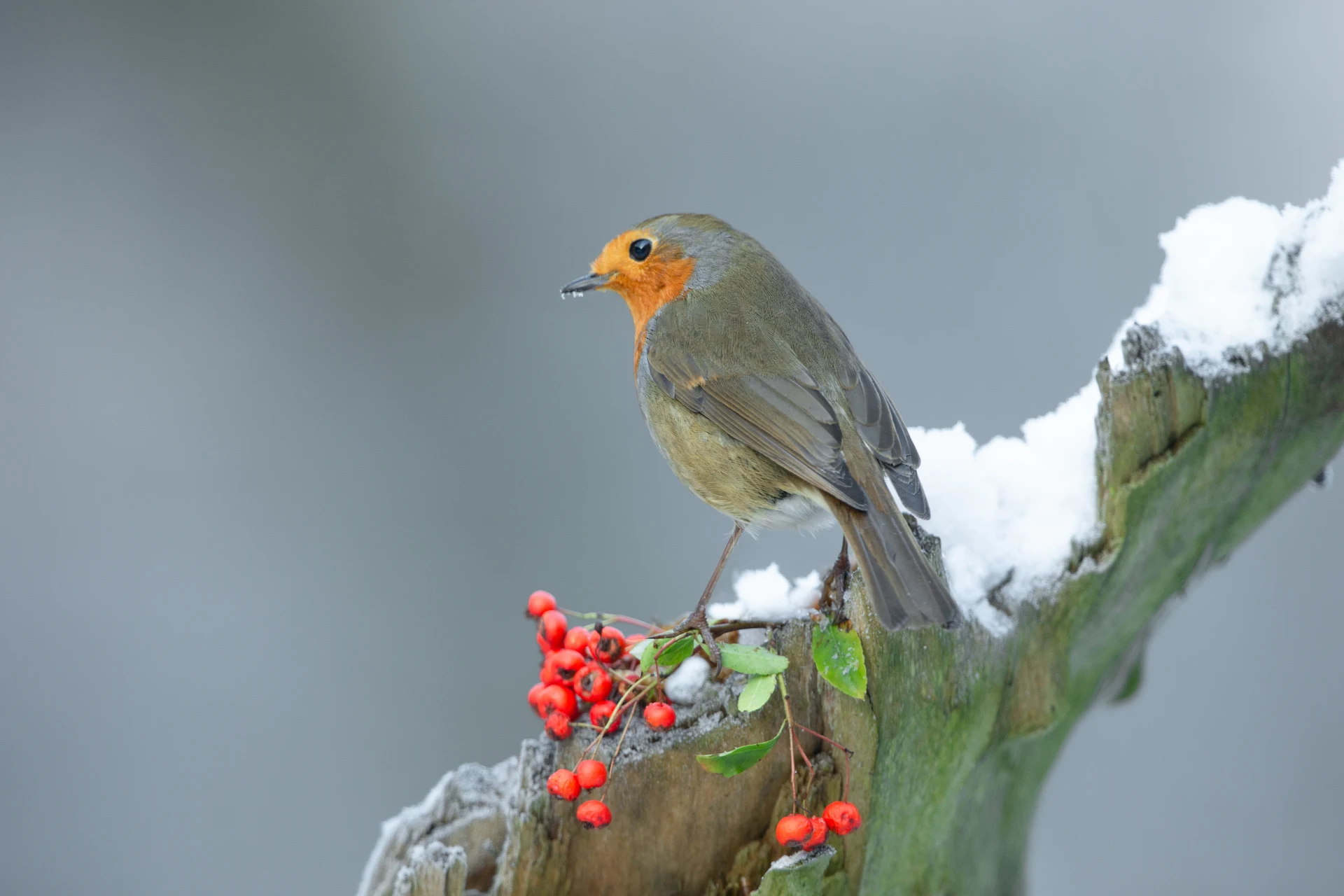
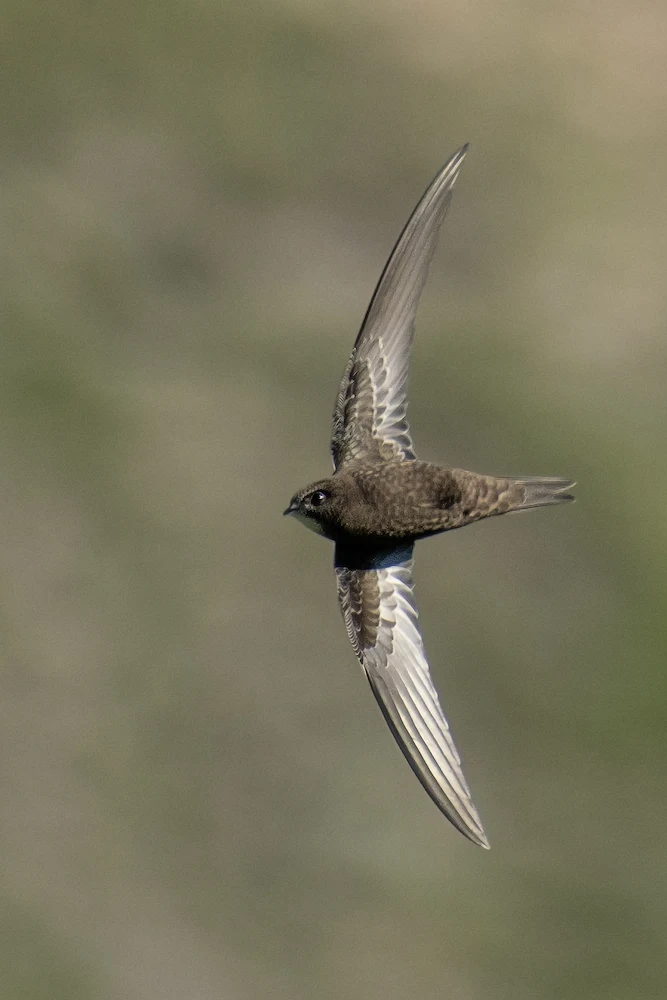
June through August sees wildlife at its most abundant and visible. Swallows, martins, and swifts patrol the skies, their aerial displays remarkable to watch. Ground-nesting birds like skylarks and meadow pipits are raising young, while garden birds may have multiple broods. Mammals are highly active – bats emerge earlier each evening, while hedgehogs can be seen foraging throughout the night.
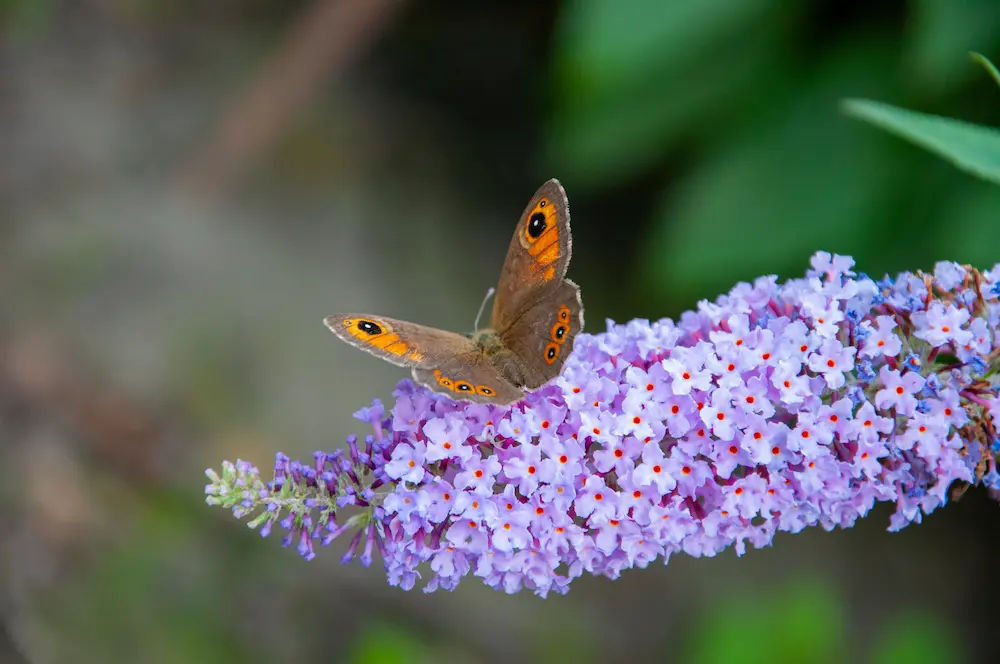
Butterflies reach their peak diversity with meadow browns, gatekeepers, and ringlets joining the early species. Dragonflies and damselflies patrol water bodies, while countless beetles, spiders, and other invertebrates form the foundation of summer food webs. Reptiles are most active during warm weather, with common lizards and slow worms frequently encountered.
Pollinator Highway
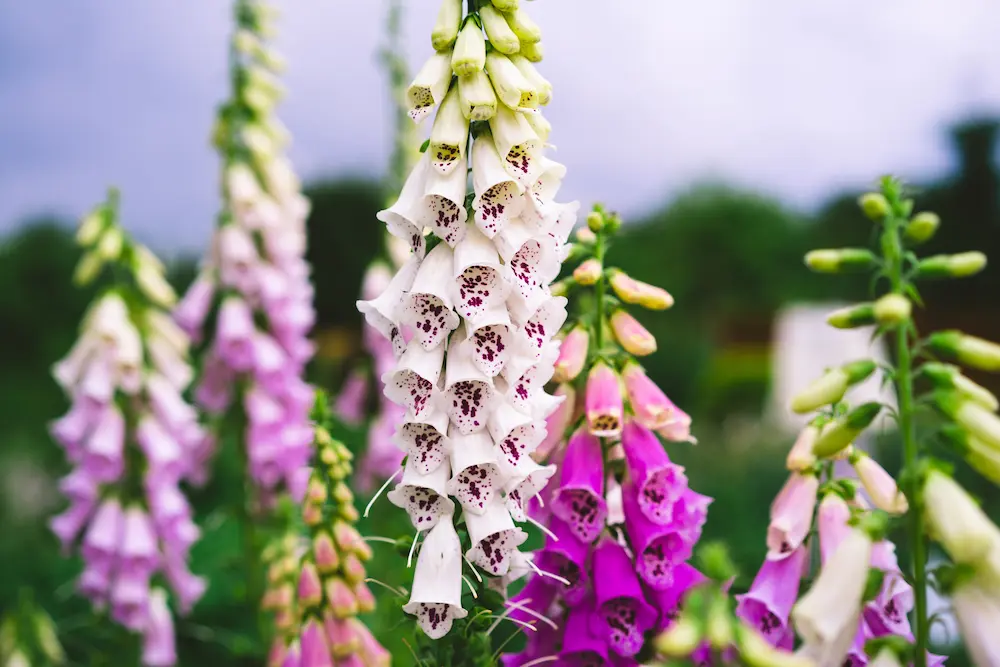
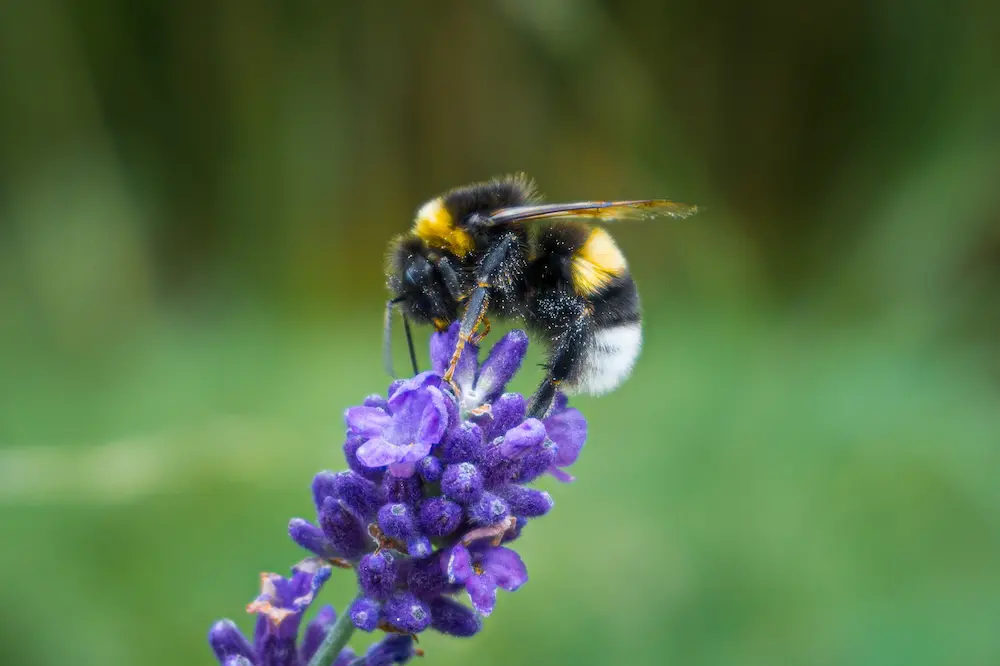
Summer flowers create a network of nectar sources across the UK. Native plants like foxgloves, field scabious, and wild marjoram support dozens of bee species, while bramble flowers are visited by over 60 different insects. Evening-primrose and honeysuckle provide nectar for night-flying moths, which are crucial pollinators often overlooked in favor of their day-flying relatives.
Gardens become particularly important during summer, with plants like lavender, buddleia, and native wildflowers providing vital resources in urban areas where natural habitats may be scarce.
Wildlife Breeding and Family Life
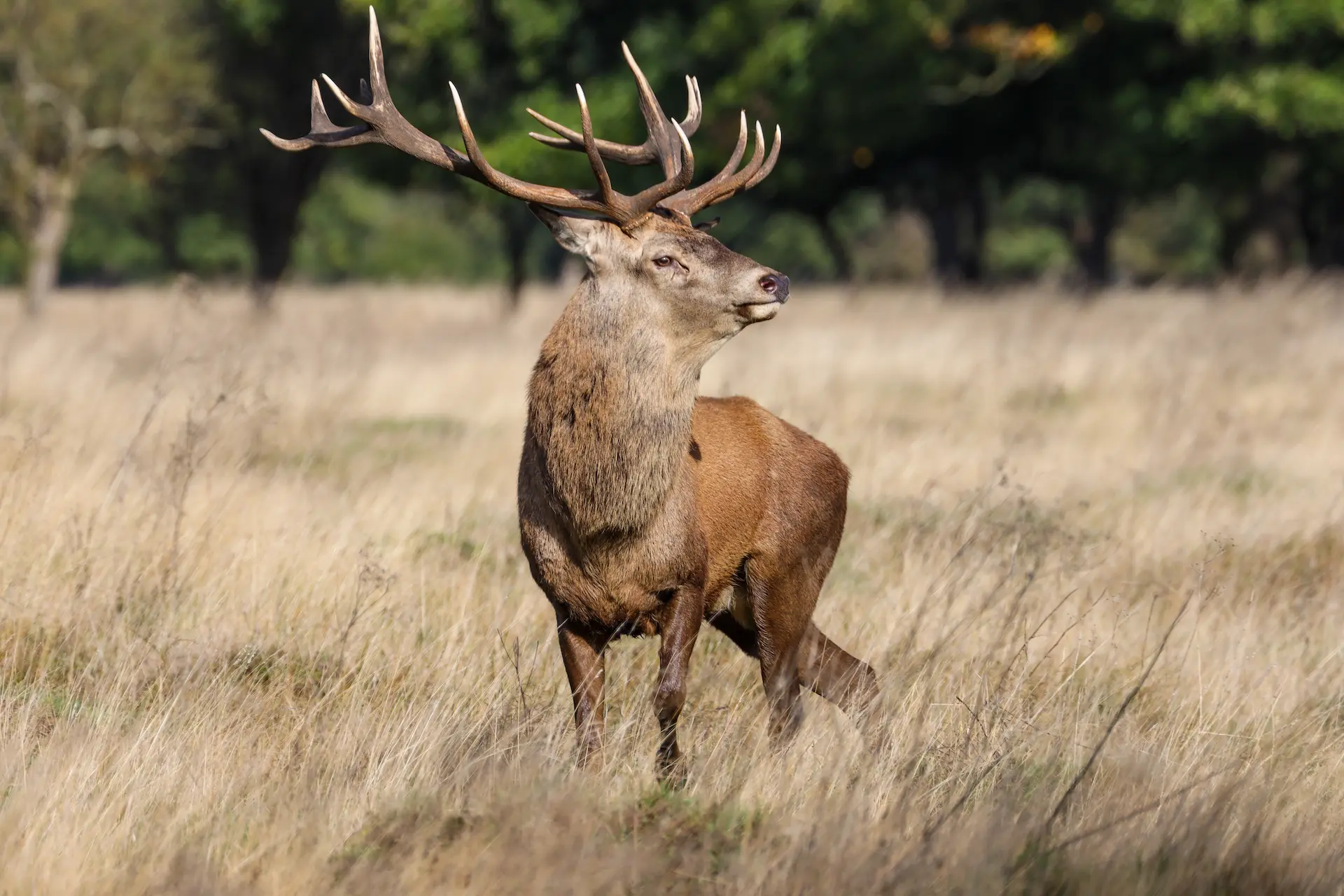
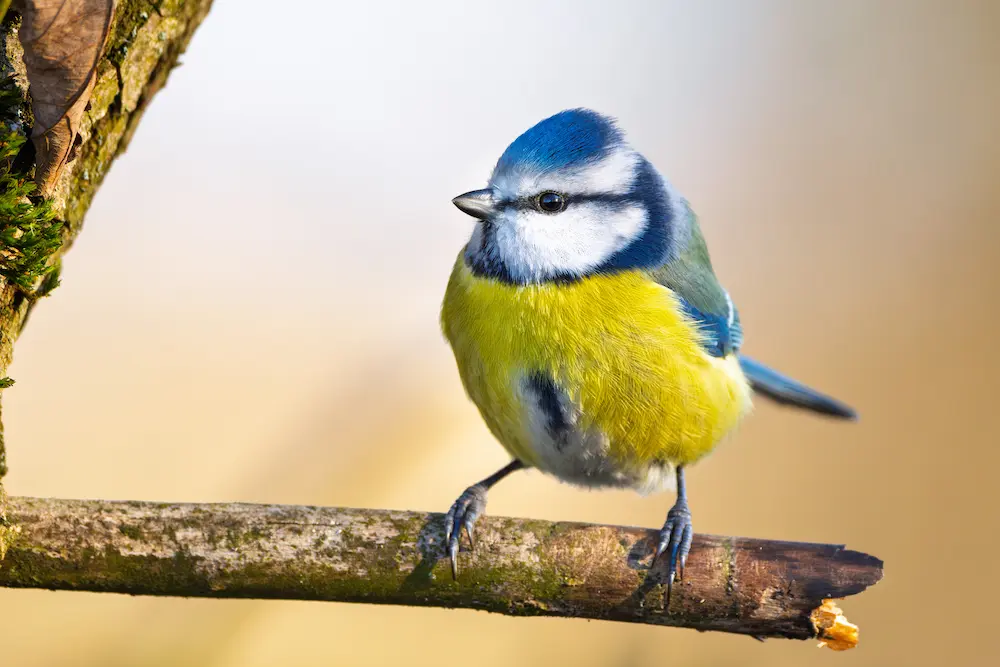
Summer is when most UK wildlife raises young. Birds are constantly busy feeding nestlings – a pair of blue tits may make 1,000 feeding trips per day. Mammals like foxes, badgers, and deer are caring for young, often making them more visible as they forage for additional food. Bats raise their pups in maternity roosts, emerging in large numbers at dusk.
Insects complete their life cycles, with many species having multiple generations. Butterflies lay eggs on specific host plants, while bees and wasps work tirelessly to provision their nests.
How You Can Help Summer Wildlife
In Your Garden:
- Plant native flowers that bloom throughout summer
- Provide clean water sources and refresh them regularly
- Leave areas unmown to support ground-nesting insects
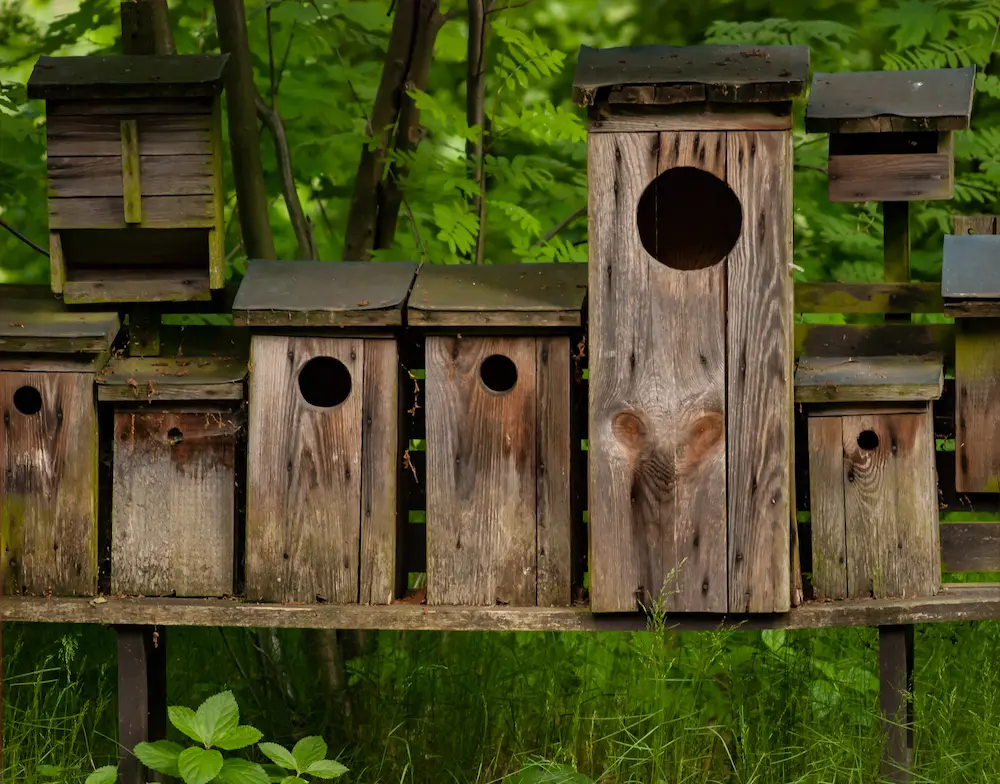
- Create bee hotels and insect homes using natural materials
- Avoid using pesticides and chemical treatments
Community Actions:
- Support local pollinator projects and bee-friendly initiatives
- Create wildlife corridors through neighborhoods
- Advocate for reduced mowing of public green spaces
- Participate in butterfly and moth recording schemes
Conservation Activities:
- Join local wildlife groups for habitat management work
- Monitor nest boxes and report findings to wildlife organizations
- Support creation of wildflower meadows and community gardens
- Educate others about the importance of insects and pollinators