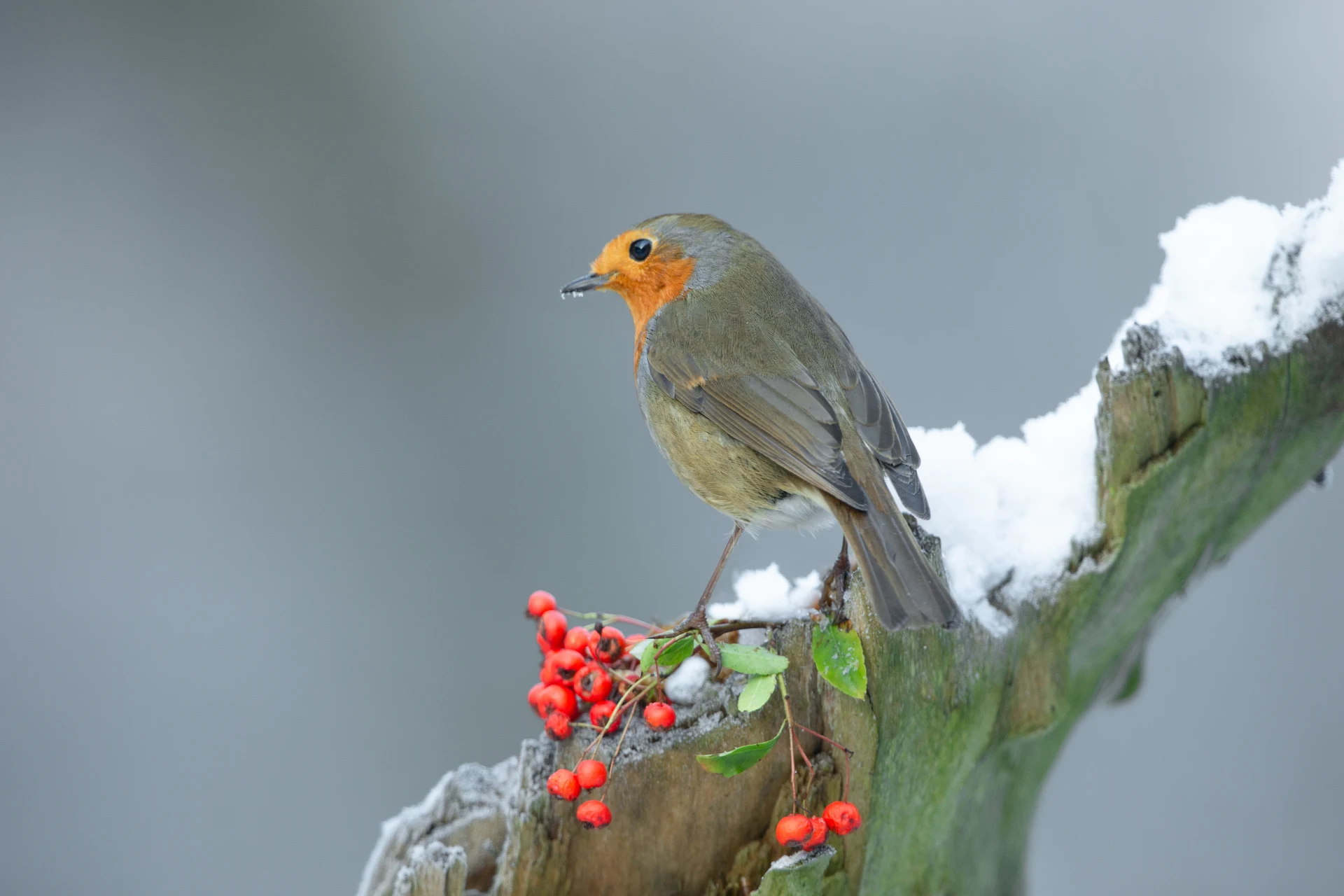
Winter Wildlife
A Guide to UK Wildlife & Garden Flowers
Wildlife's Winter Resilience
Winter in the UK reveals wildlife's remarkable resilience and adaptation. While many species have migrated or entered dormancy, those that remain demonstrate incredible survival strategies developed over millennia. This season offers unique wildlife watching opportunities, from the increased visibility of birds and mammals to the arrival of spectacular winter visitors from the Arctic and northern Europe.
Wildlife to Spot This Season
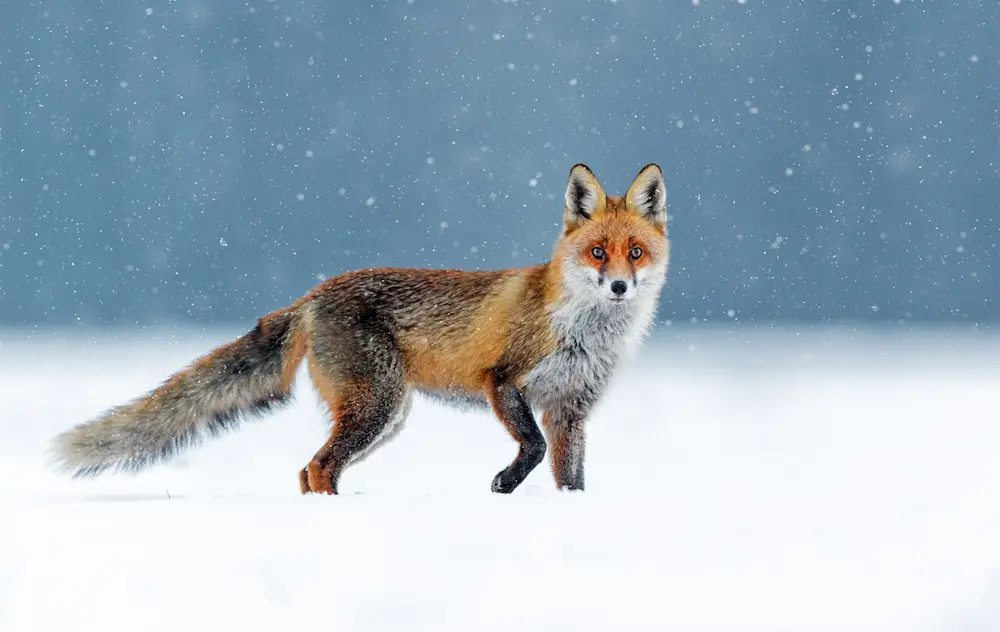
Red Fox
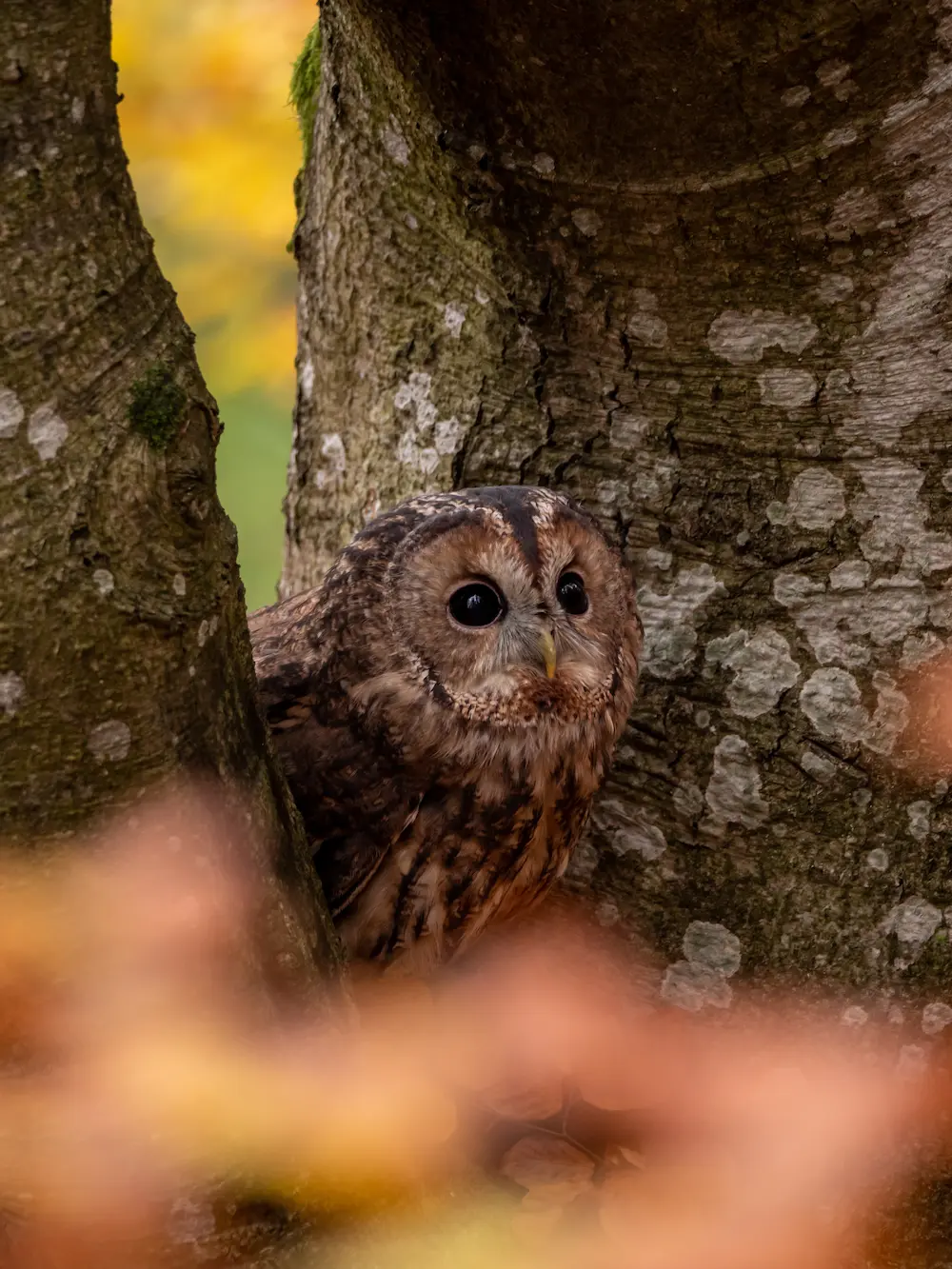
Tawny Owl
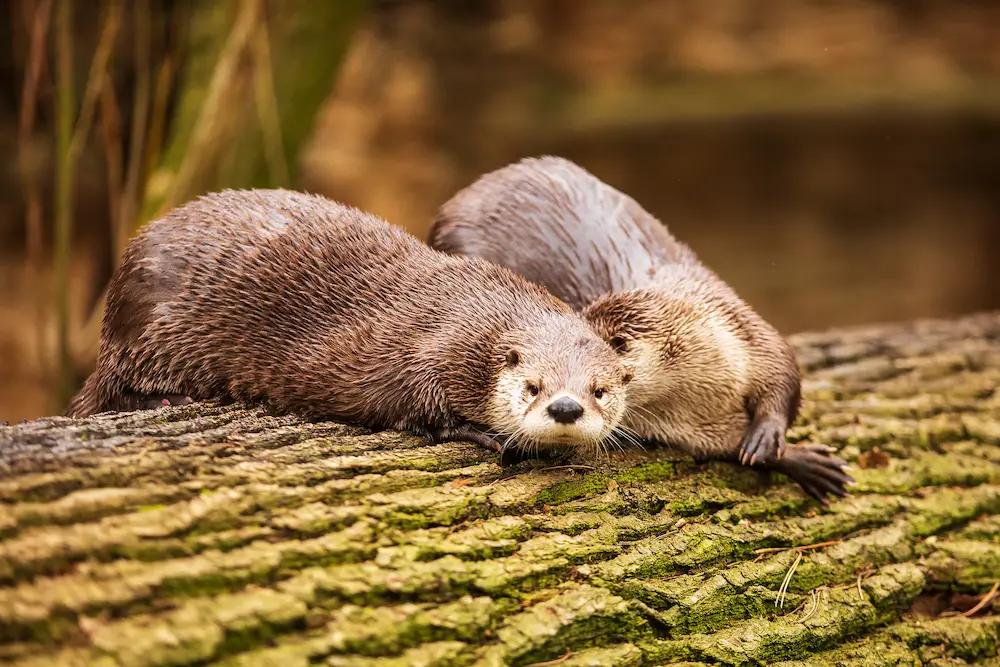
Otters
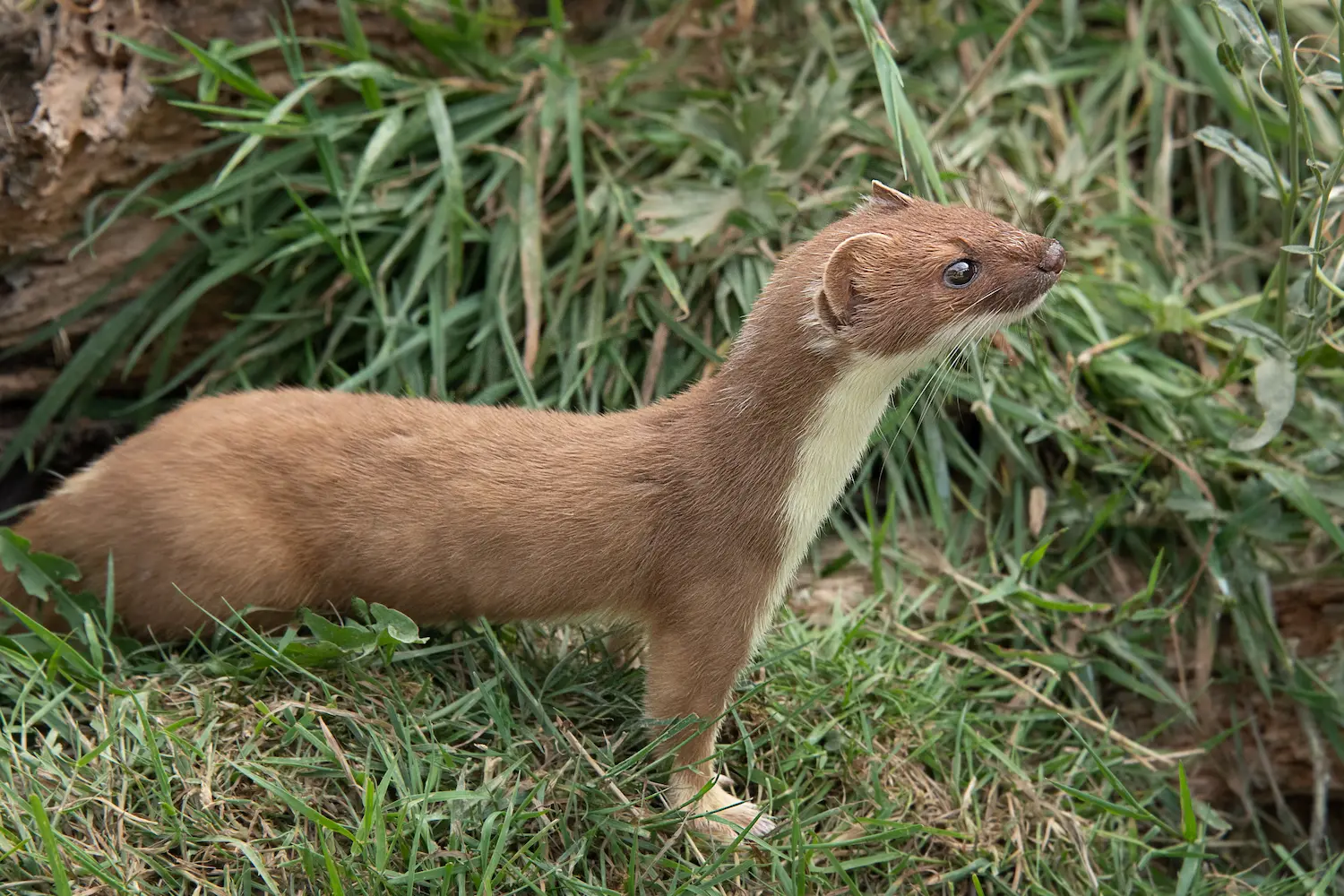
Stoat
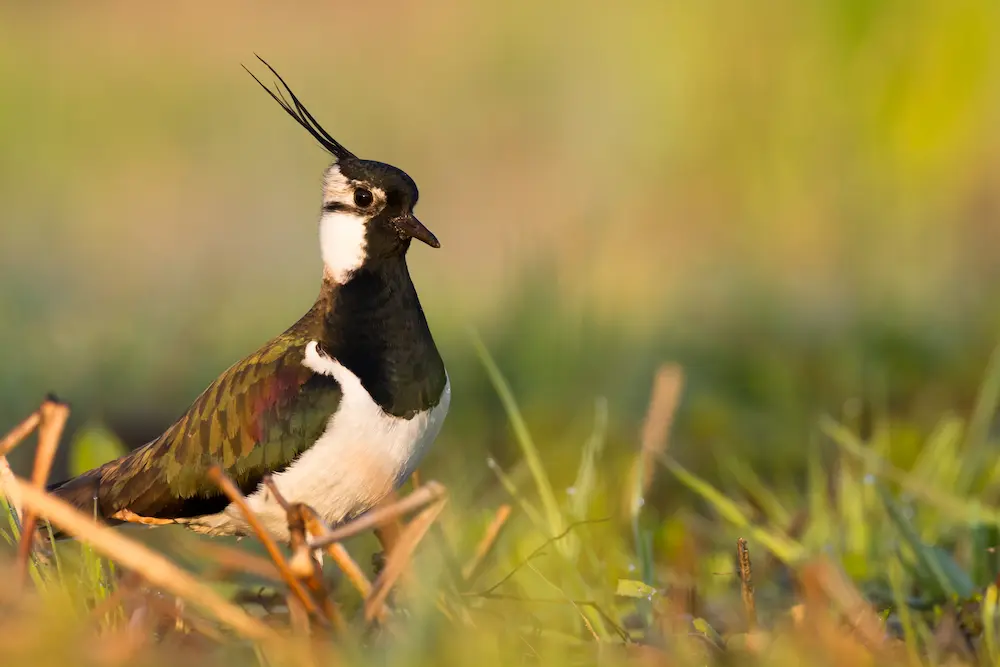
Lapwing
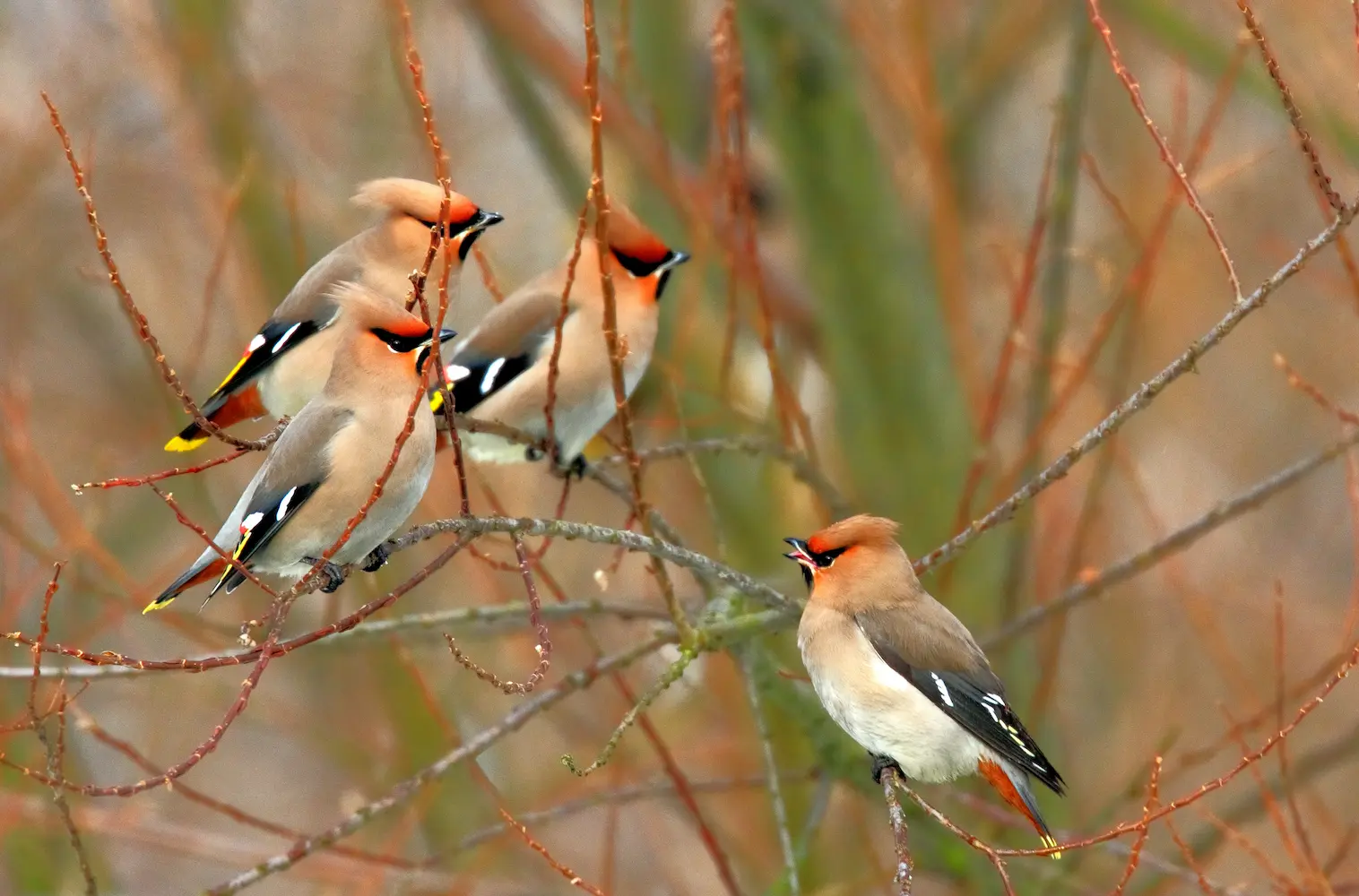
Waxwing

Winter Residents and Visitors
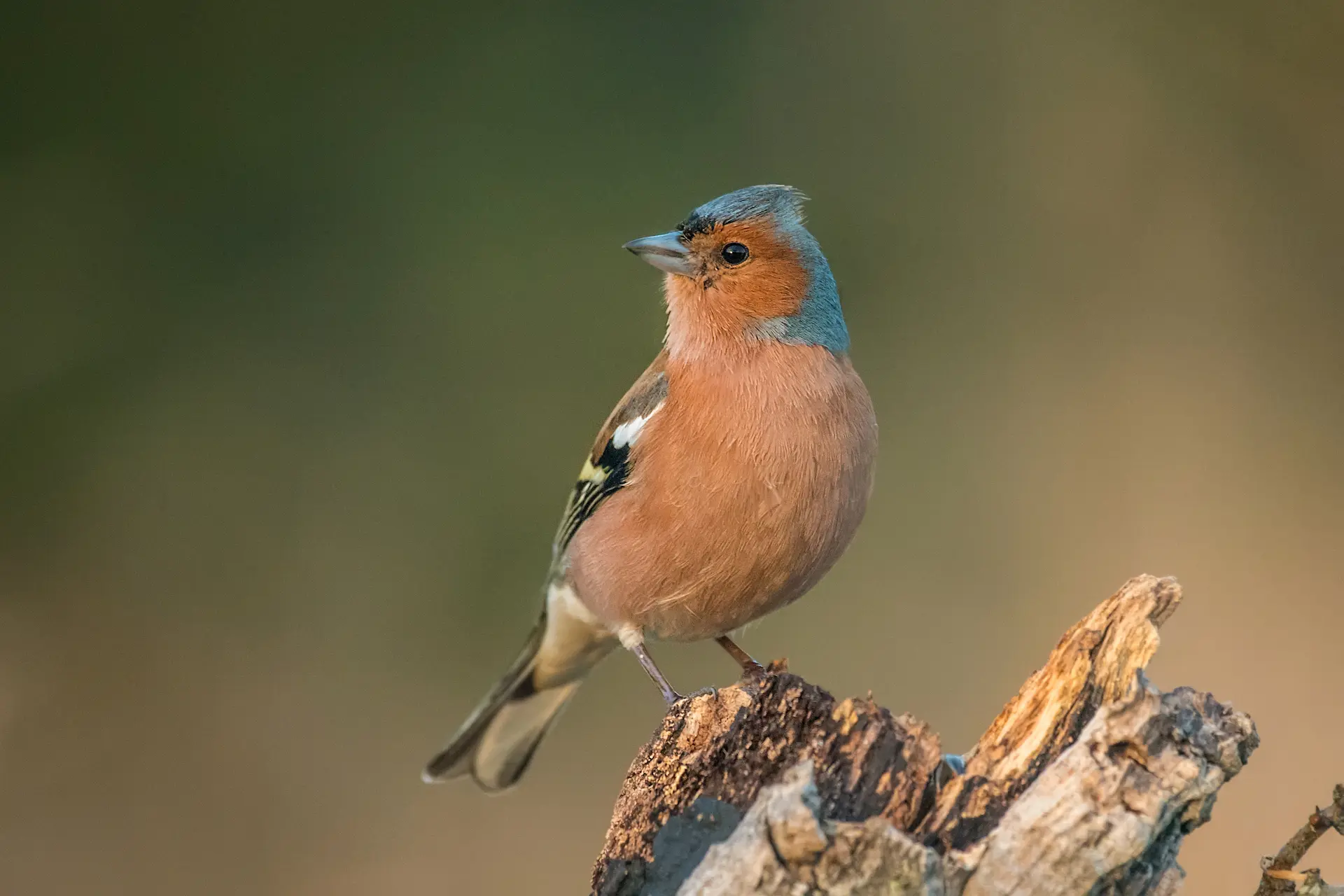
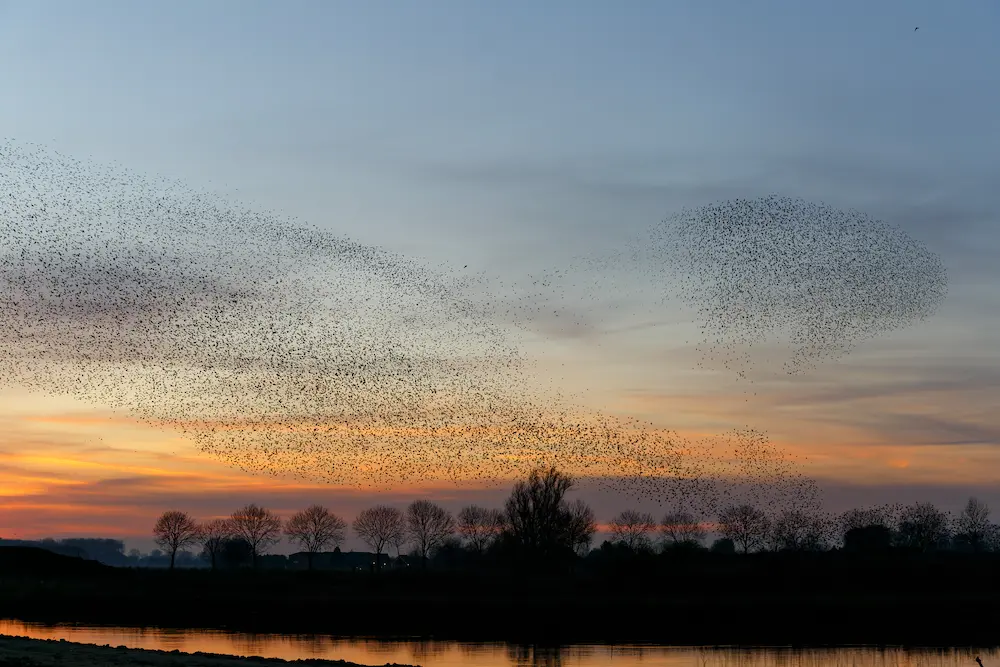
December through February brings a different cast of wildlife characters. Winter thrushes – fieldfares and redwings – strip berries from hedgerows, while flocks of starlings create spectacular murmurations. Waxwings may appear in irruption years, their exotic appearance brightening winter days.
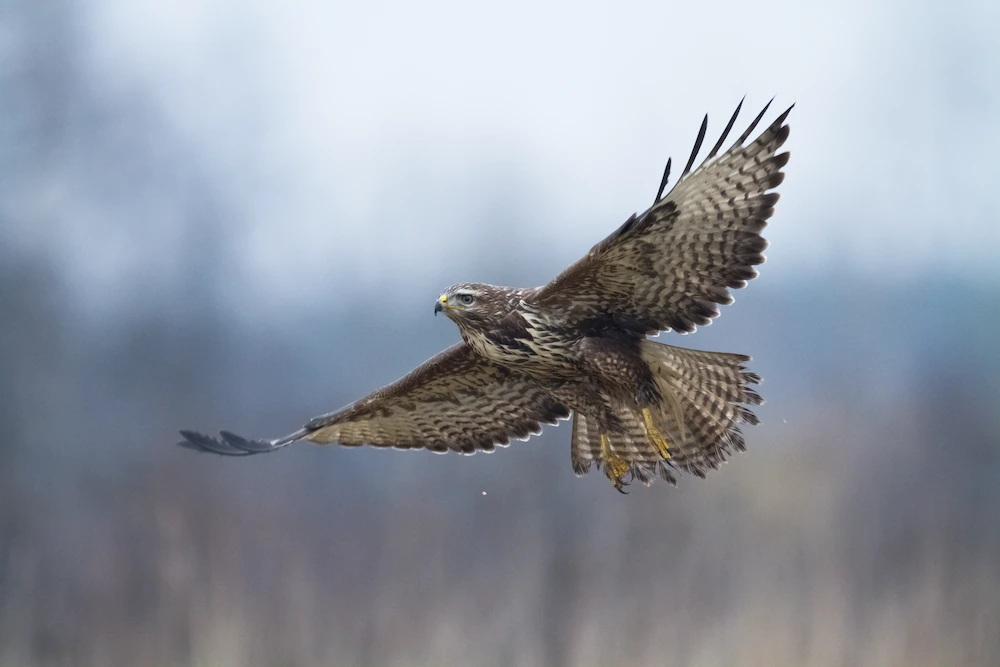
Wildfowl numbers swell as northern populations move south. Ducks, geese, and swans gather on lakes and rivers, while coastal areas host countless seabirds. Short-eared owls from northern Europe hunt over rough grassland, and rough-legged buzzards occasionally appear from Scandinavia.
Survival Strategies
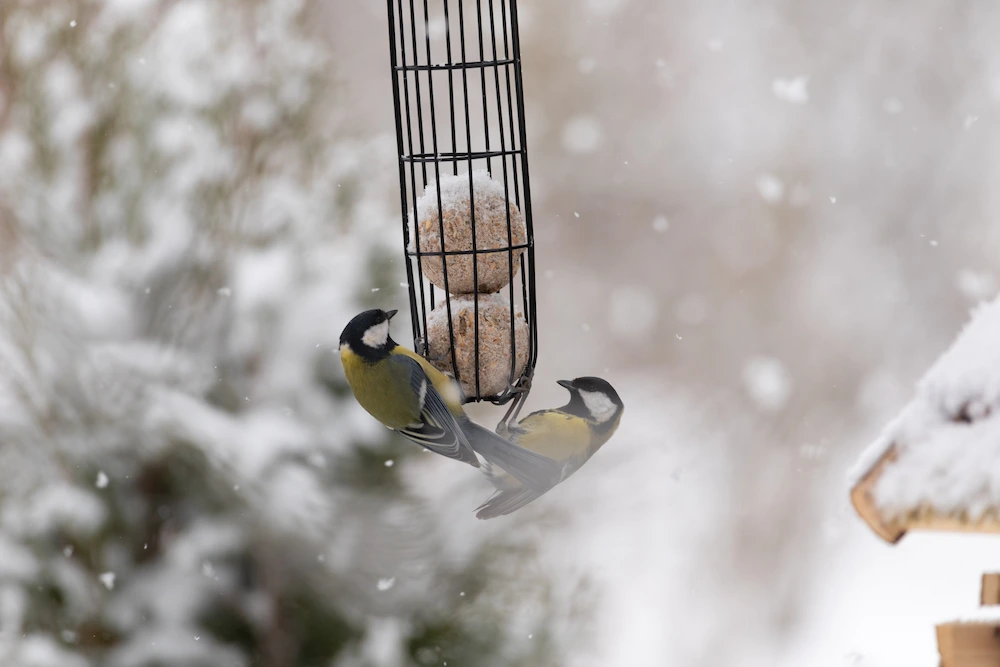
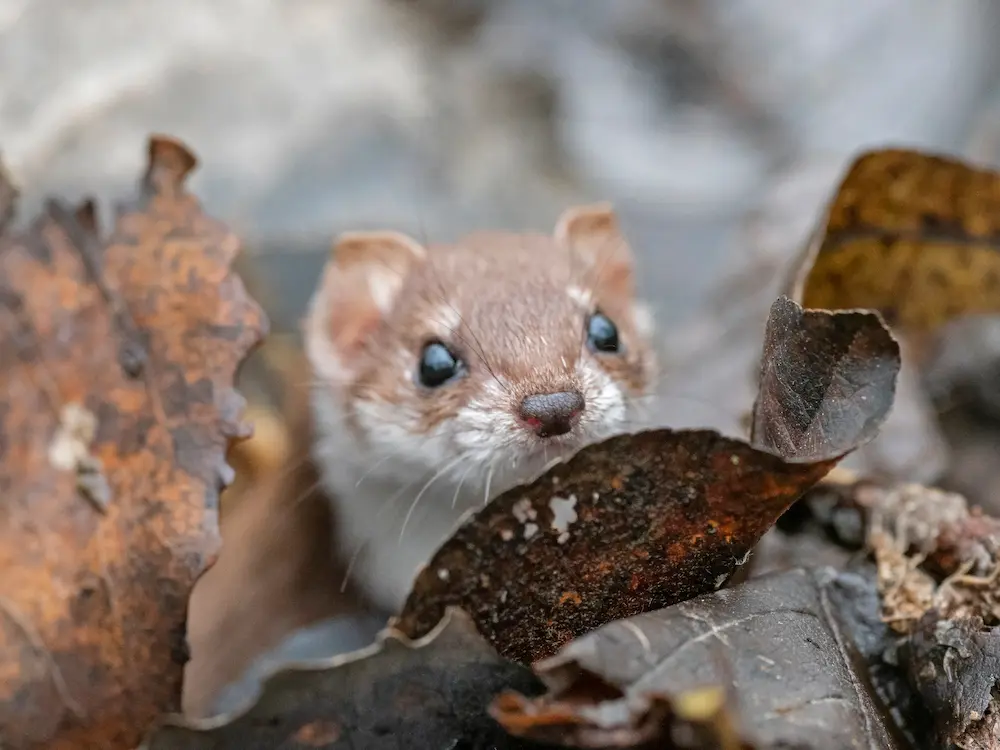
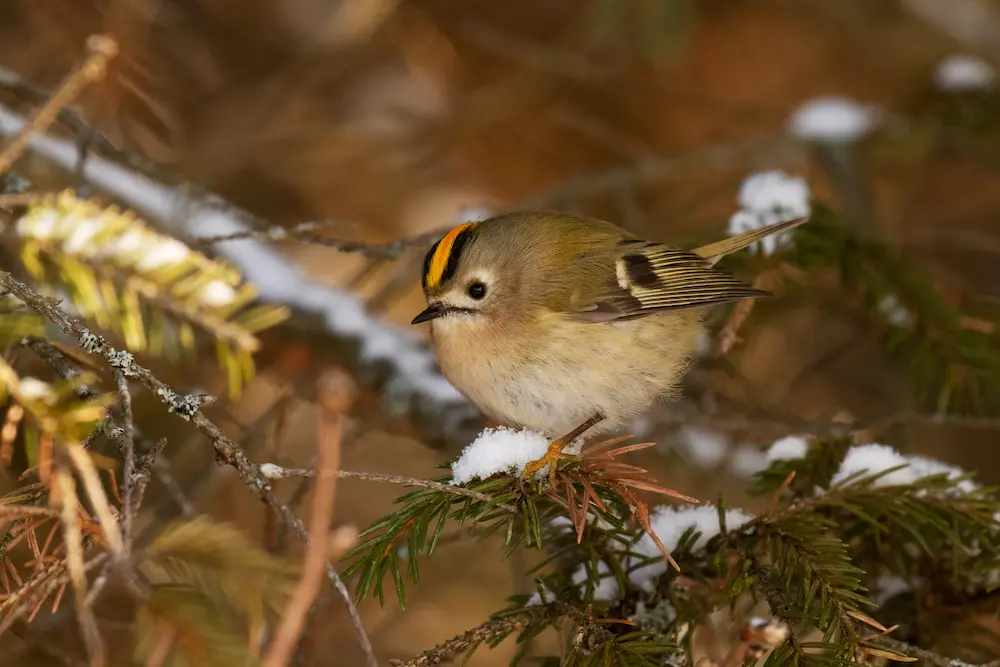
Winter wildlife demonstrates incredible adaptations. Birds like wrens and goldcrests roost communally, sharing body heat to survive cold nights. Foxes grow thick winter coats and may be seen hunting during daylight when food is scarce. Stoats and weasels change to white coats in northern regions, providing camouflage in snow.
Many species alter their behavior – birds form mixed feeding flocks, while mammals like badgers reduce activity during the coldest periods. Reptiles and amphibians enter hibernation, while insects overwinter in various life stages from eggs to adults.
Winter Food Sources
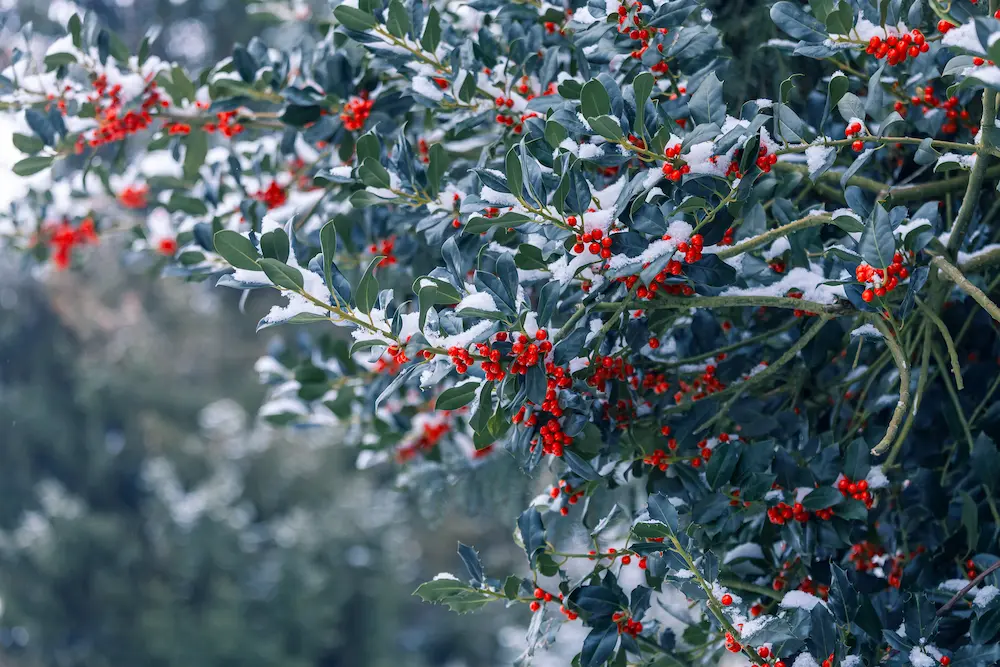
Natural winter foods are crucial for wildlife survival. Tree seeds from oak, beech, and conifers support numerous species, while persistent berries from ivy, hawthorn, and holly provide vital nutrition. Bark and buds become important foods for some species, while predators hunt for small mammals active beneath snow.
Urban areas become increasingly important as natural food sources decline, with gardens providing crucial supplementary feeding opportunities.
How You Can Help Winter Wildlife
Feeding Programs:
- Provide high-energy foods like sunflower seeds, peanuts, and fat balls
- Offer fresh water daily, using a bird bath heater if possible
- Feed consistently once started – wildlife comes to depend on reliable sources
- Use appropriate feeders to accommodate different species
Garden Management:
- Leave seed heads and berry-producing plants standing
- Create shelter with brush piles and dense shrubs
- Avoid disturbing areas where wildlife might be hibernating
- Keep areas of long grass for small mammals and invertebrates
Conservation Support:
- Support local wildlife reserves and feeding programs
- Participate in winter bird counts and surveys
- Advocate for wildlife-friendly management of public spaces
- Join conservation groups working on winter habitat projects
Emergency Help:
- Know how to help wildlife in severe weather
- Understand when intervention is appropriate and when to contact professionals
- Support wildlife rescue centers during busy winter periods