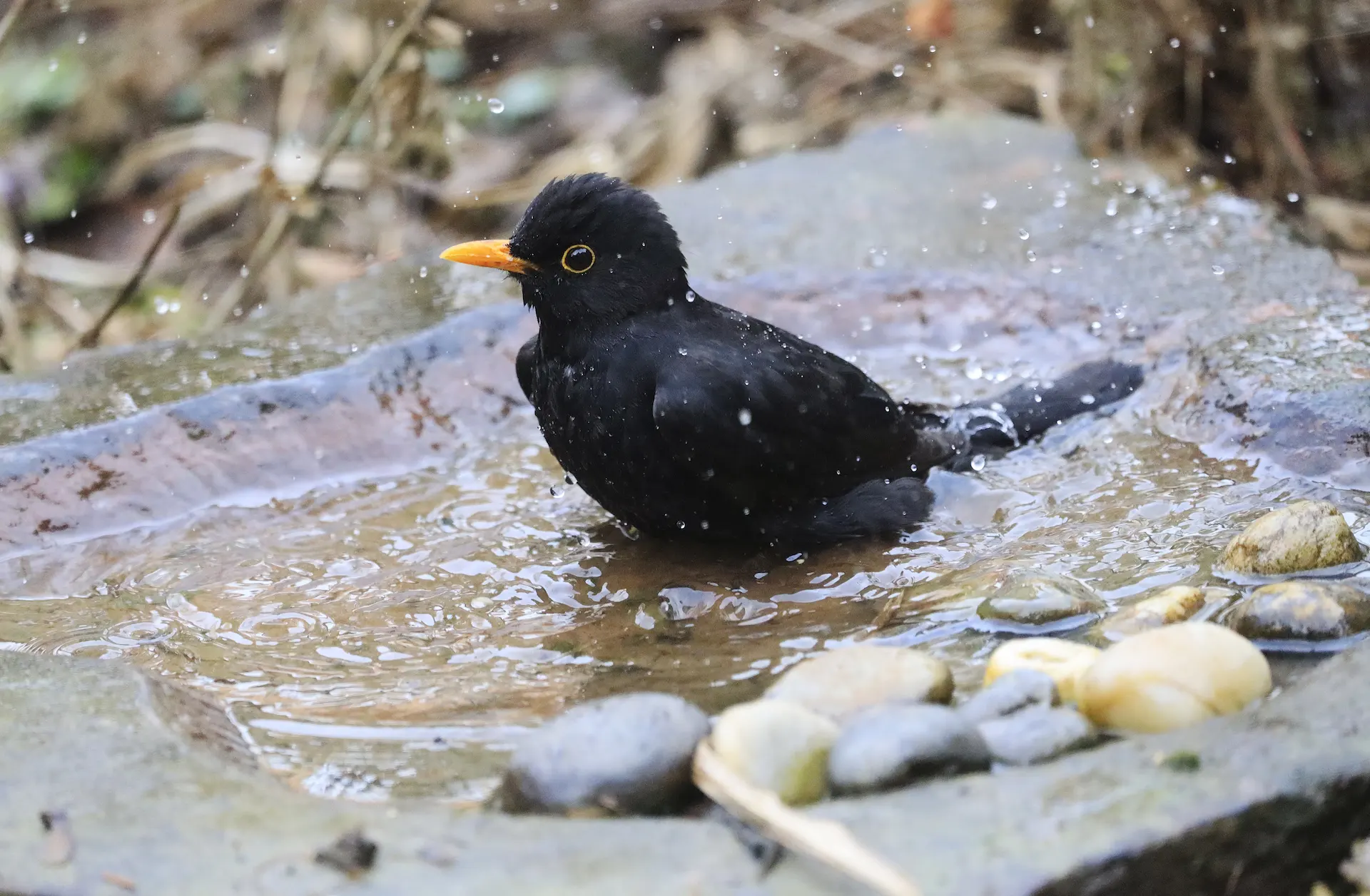
A bird bath is one of the most effective ways to attract birds to your garden while providing them with essential water for drinking and bathing. In Devon’s climate, where birds face varying seasonal challenges, a reliable water source can transform your garden into a bustling wildlife haven. Whether you’re growing flowers commercially or tending a cottage garden, the presence of birds brings natural pest control, pollination assistance, and endless entertainment.

Why Build a Bird Bath?
Birds need water year-round for drinking, bathing, and maintaining their feathers. A clean, well-maintained bird bath can attract dozens of species to your garden, from common robins and blackbirds to more exotic visitors like goldfinches and siskins. These feathered friends provide invaluable services: eating aphids, caterpillars, and other garden pests while helping pollinate flowers and disperse seeds.
Understanding Bird Water Needs
Birds prefer shallow water – typically no more than 5cm deep – with gentle slopes for easy access. They need clean, fresh water that’s changed regularly, and they’re attracted to the sound of moving water. The bath should provide good visibility for spotting predators while offering nearby perches and escape routes.

Materials You’ll Need
Simple Bird Bath Materials
- Large, shallow dish: Terracotta saucer, ceramic plate, or purpose-made basin
- Pedestal or stand: Tree stump, upturned pot, or decorative stand
- Rough stones or pebbles: For grip and varying depths
- Waterproof sealant: If using porous materials
- Decorative elements: Natural stones, shells, or plants
Method 1: Simple Terracotta Bird Bath
Step 1: Choose Your Basin
Select a large, shallow terracotta saucer or plant pot base, ideally 30-40cm in diameter. The depth should be no more than 5cm at the deepest point. Terracotta is ideal because its rough surface provides excellent grip for bird feet.
Step 2: Create the Pedestal
Use an upturned terracotta pot as a pedestal, ensuring it’s stable and the right height (60-90cm from ground). This elevation provides birds with good visibility while keeping the water away from ground predators like cats.

Step 3: Add Texture and Depth
Place various sized stones and pebbles in the basin to create different depths and provide secure footing. Arrange larger stones around the edges for perching, with smaller pebbles creating shallow areas for smaller birds.
Step 4: Position and Fill
Place your bird bath in a location with good visibility but near shrubs or trees for quick escape routes. Fill with clean, fresh water and check that the deepest areas don’t exceed 5cm.

Method 2: Natural Stone Bird Bath
Step 1: Find Your Stone
Look for a naturally hollowed stone, particularly smooth, weathered beach stones with shallow depressions created by natural erosion. Devon’s beaches often yield perfect stones for this purpose – look for stones with natural hollows worn smooth by waves and time.
Step 2: Prepare the Stone
Clean the stone thoroughly and check that the natural depression is suitable for birds. The hollow should be shallow with gently sloping sides. Sand any sharp edges that might injure delicate bird feet, but preserve the naturally weathered surface that provides good grip.
Step 3: Create a Stable Base
Position the stone on a stable surface – this could be a tree stump, pile of rocks, or purpose-built stand. Ensure it’s level and won’t tip when birds land on the edges.

Method 3: Hanging Bird Bath
Step 1: Select Your Container
Choose a lightweight but sturdy shallow dish – ceramic, metal, or heavy plastic work well. Ensure it has drainage holes or a way to attach hanging chains securely.
Step 2: Create Hanging Points
Drill three evenly spaced holes around the rim for hanging chains or strong cord. Use rust-resistant materials for outdoor durability. The chains should be equal length for a level bath.
Step 3: Choose Your Location
Hang from a sturdy branch or bracket at least 1.5m high. Ensure it’s away from areas where cats might jump but still accessible for cleaning and refilling.

Installation and Placement
Perfect Locations
- Near flower borders: Birds feel safe with nearby cover
- Visible from windows: For your viewing pleasure
- Morning sun: Helps water warm up and dry birds’ feathers
- Away from bird feeders: Prevents contamination from food debris
Safety Considerations
- Escape routes: Within 3m of trees or shrubs
- Predator protection: High enough to avoid cats, low enough to avoid aerial predators
- Stable positioning: Secure against wind and bird activity
- Clear sight lines: Birds need to see approaching danger
Optional Water Features
Adding Simple Movement
- Drippers: Simple water movement from elevated containers
- Overflow systems: Allow excess water to trickle into surrounding plants
- Natural placement: Position to catch rainwater from roof drainage
Seasonal Adaptations
- Summer: Provide extra shade and frequent water changes
- Winter: Use a shallow dish or tennis ball floating in the water to prevent complete freezing, or simply break ice daily and refill with fresh water
- Spring: Clean thoroughly after winter and check for damage
- Autumn: Remove falling leaves promptly to prevent contamination

Maintenance and Care
Daily Tasks
- Check water level: Top up as needed, especially in hot weather
- Remove debris: Leaves, twigs, and other organic matter
- Observe activity: Note which birds are visiting and when
Weekly Maintenance
- Complete water change: Empty, scrub, and refill with fresh water
- Clean stones: Remove algae and debris from pebbles
- Check stability: Ensure the bath hasn’t shifted or become unstable
Monthly Deep Clean
- Thorough scrubbing: Use a brush and mild detergent
- Disinfection: Rinse with diluted bleach solution, then rinse thoroughly
- Inspection: Check for cracks, damage, or wear
Seasonal Overhaul
- Repair damage: Fix cracks or replace worn components
- Deep clean: Remove and clean all stones and decorative elements
- Reposition: Adjust location based on seasonal sun and wind patterns
Attracting Different Bird Species
Small Birds (Wrens, Tits, Finches)
- Shallow areas: 1-2cm deep
- Small perching stones: Easy access points
- Nearby dense shrubs: For quick escape
Medium Birds (Robins, Thrushes)
- Moderate depth: 3-4cm in places
- Sturdy perching areas: Larger stones and rim space
- Open approach: Clear sight lines
Larger Birds (Blackbirds, Pigeons)
- Deeper sections: Up to 5cm
- Wide basin: Room for larger bodies
- Strong construction: Able to support heavier birds

Troubleshooting Common Issues
Birds Not Visiting
- Water too deep: Add more stones for shallow areas
- Location too exposed: Move closer to cover
- Water stagnant: Add movement or change more frequently
- Predators present: Improve safety with better positioning
Water Quality Problems
- Algae growth: Clean more frequently, reduce direct sunlight
- Mosquito breeding: Change water every 2-3 days
- Contamination: Move away from feeding areas
Seasonal Challenges
- Summer heat: Provide shade and extra water
- Winter freezing: Use tennis ball method or break ice daily
- Autumn leaves: Cover with mesh or clean daily
- Spring breeding: Maintain quiet, undisturbed areas
Benefits to Your Garden
Your bird bath will contribute to:
- Natural pest control: Birds eat thousands of insects and larvae
- Pollination: Some birds help pollinate flowers
- Seed dispersal: Birds spread wildflower seeds naturally
- Garden health: Balanced ecosystem with natural predator-prey relationships
- Educational value: Wonderful opportunities for bird watching and identification
Creating a Bird-Friendly Garden
Enhance your bird bath’s effectiveness by:
- Planting native species: Provide natural food sources
- Avoiding pesticides: Protect birds and their food sources
- Providing nesting sites: Suitable plants and nest boxes
- Maintaining year-round water: Consistent, reliable water source
A well-designed bird bath becomes the heart of a thriving garden ecosystem. The combination of fresh water, thoughtful placement, and regular maintenance will reward you with a constant parade of feathered visitors, each contributing to the health and beauty of your Devon garden.
For more wildlife habitat projects and bird-friendly gardening tips, explore our other conservation guides.