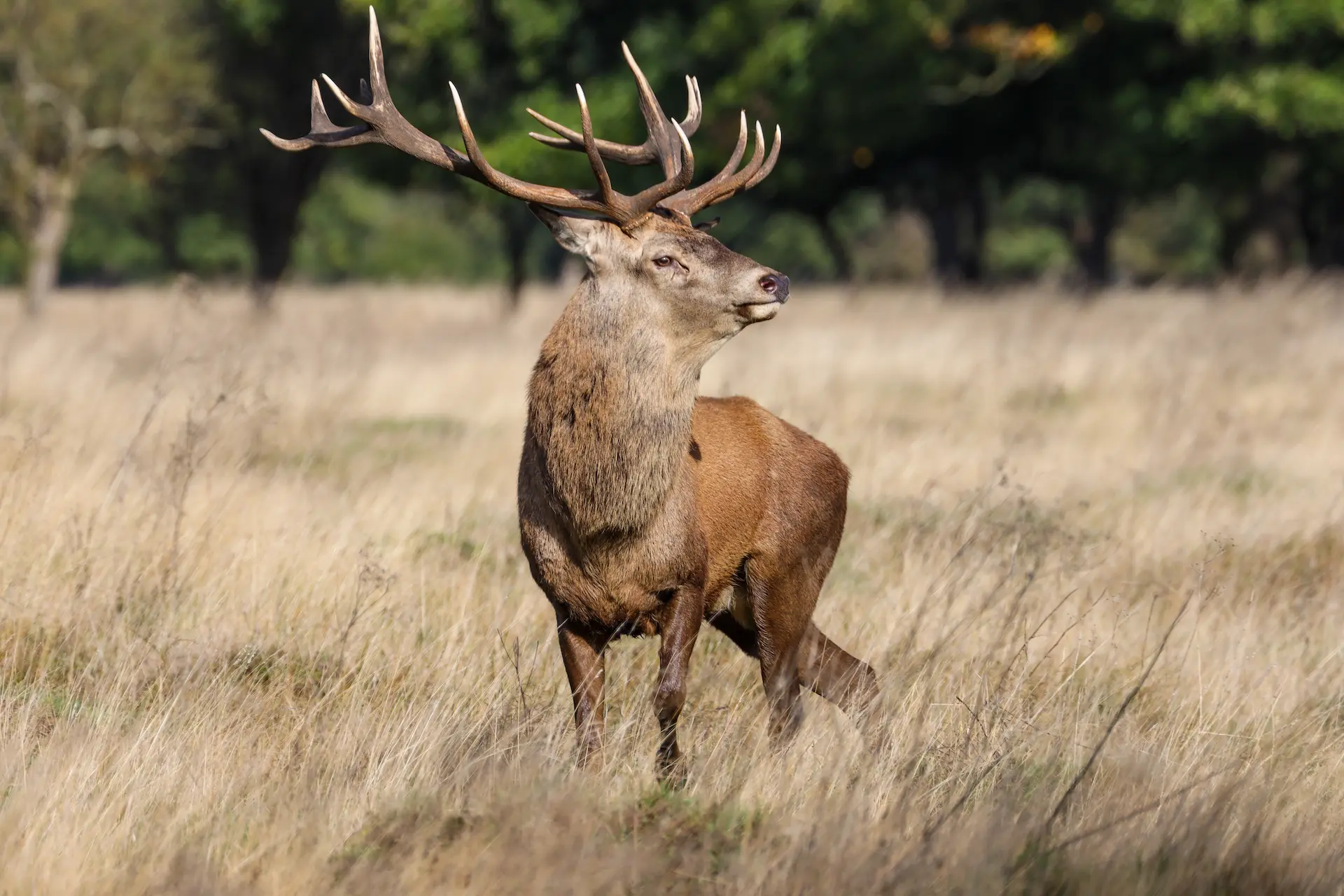
Autumn Wildlife
A Guide to UK Wildlife & Garden Flowers
Nature's Harvest Preparations
Autumn in the UK is a season of spectacular change and preparation. As temperatures drop and daylight hours shorten, wildlife engages in remarkable behaviors - from the epic migrations of birds to the frantic activity of mammals preparing for winter. This season offers unique opportunities to witness natural phenomena like murmurations of starlings, the gathering of swallows, and the abundance of fruits and seeds that sustain wildlife through the coming months.
Wildlife to Spot This Season
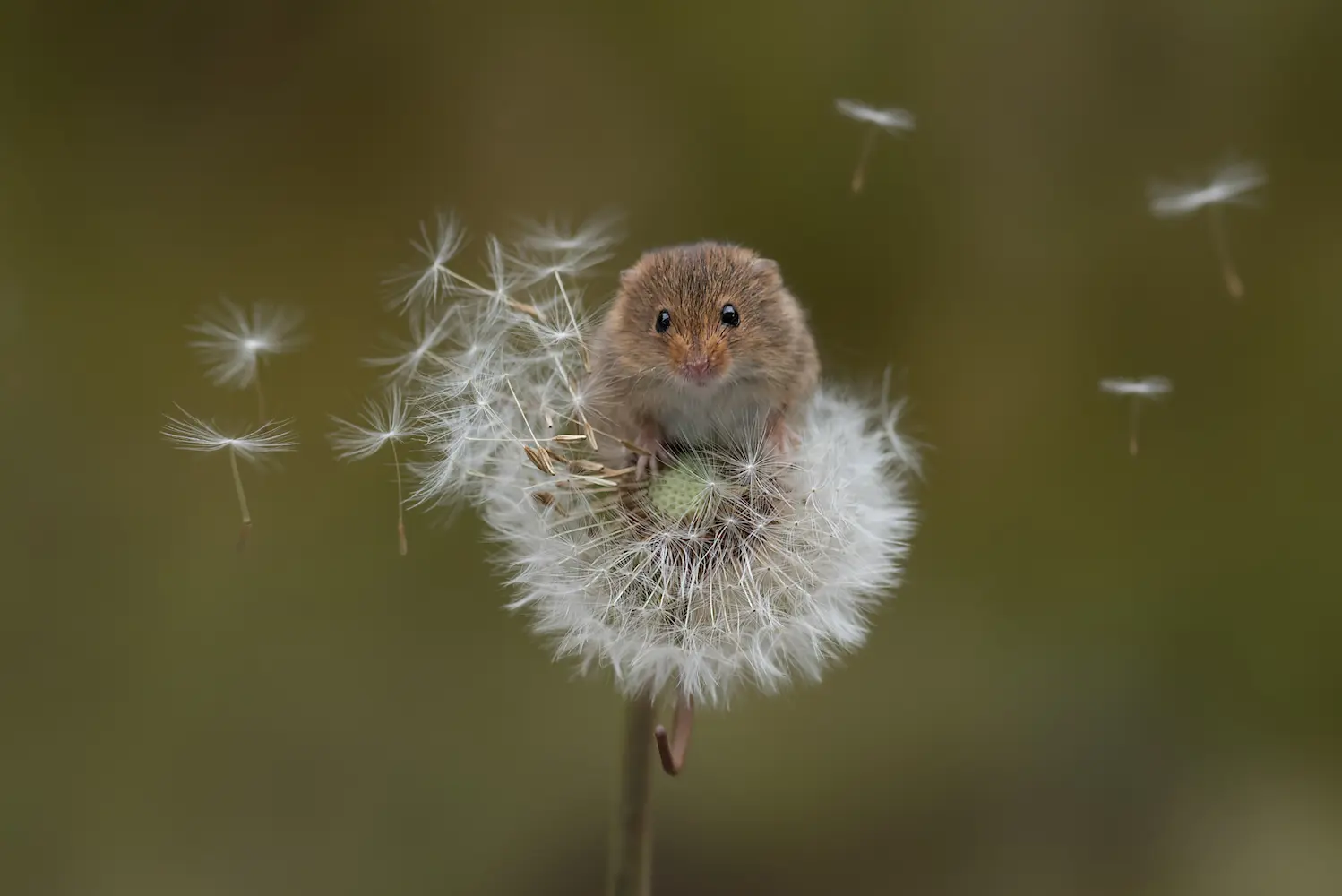
Harvest Mouse
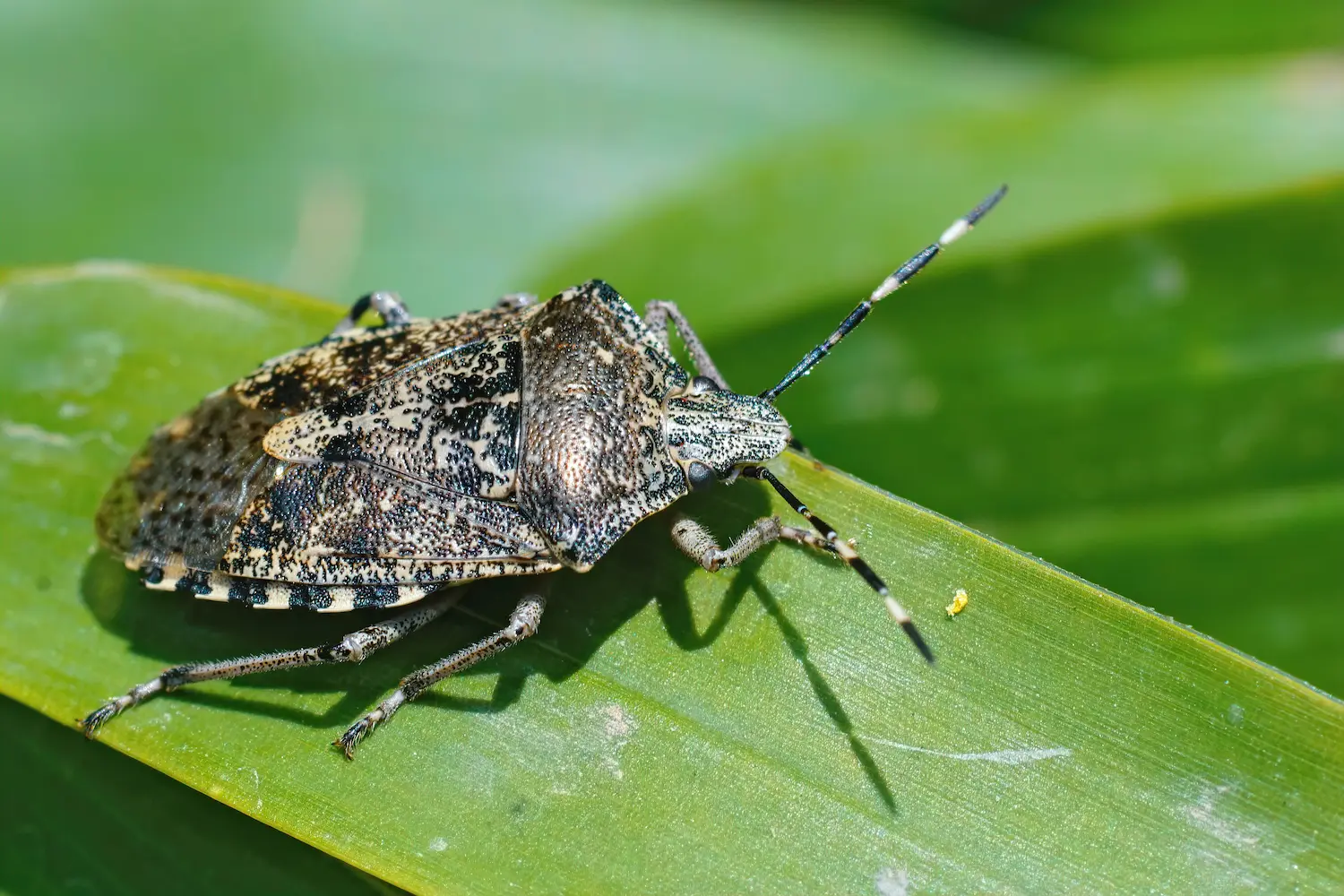
Shield Bug
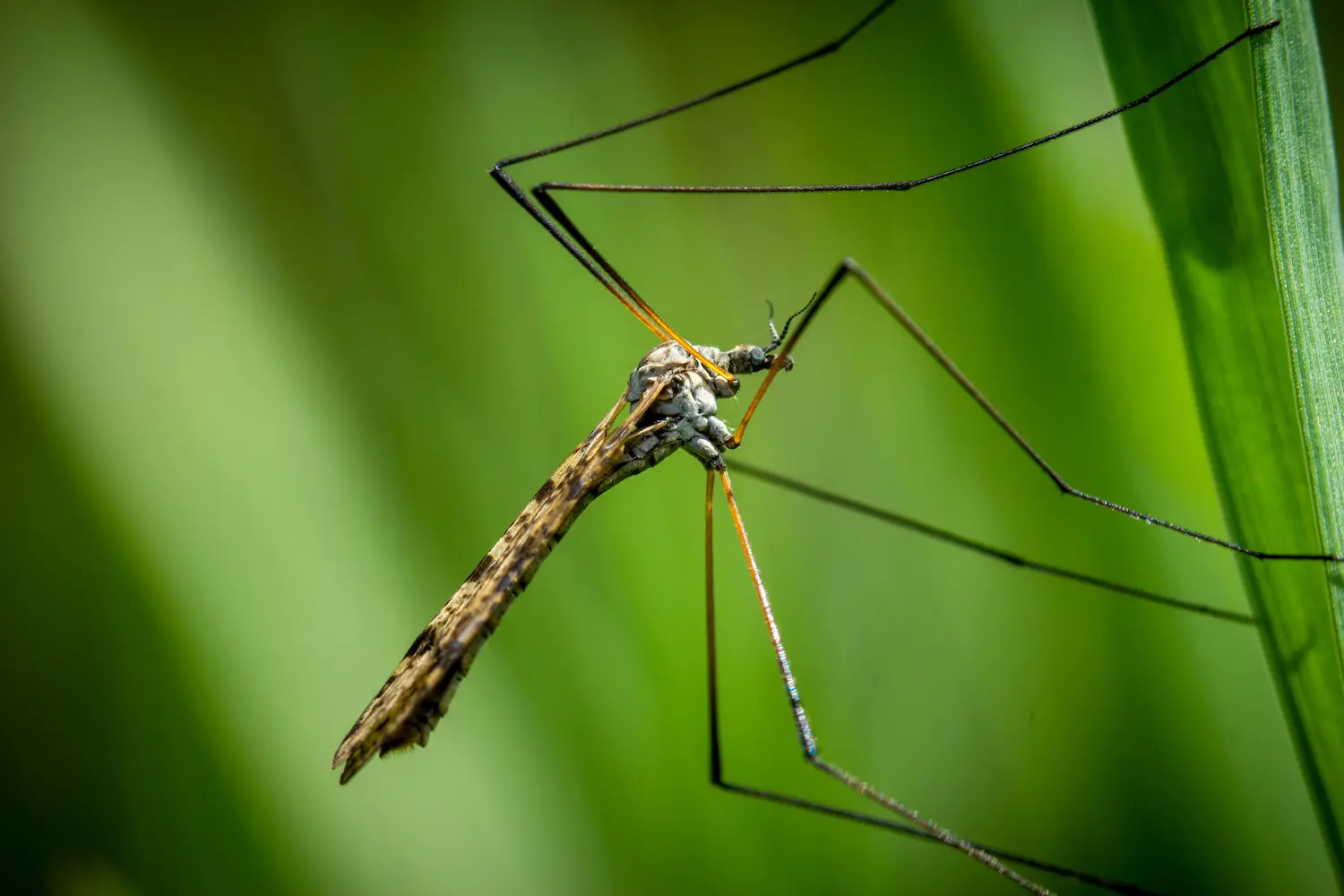
Daddy Long-legs
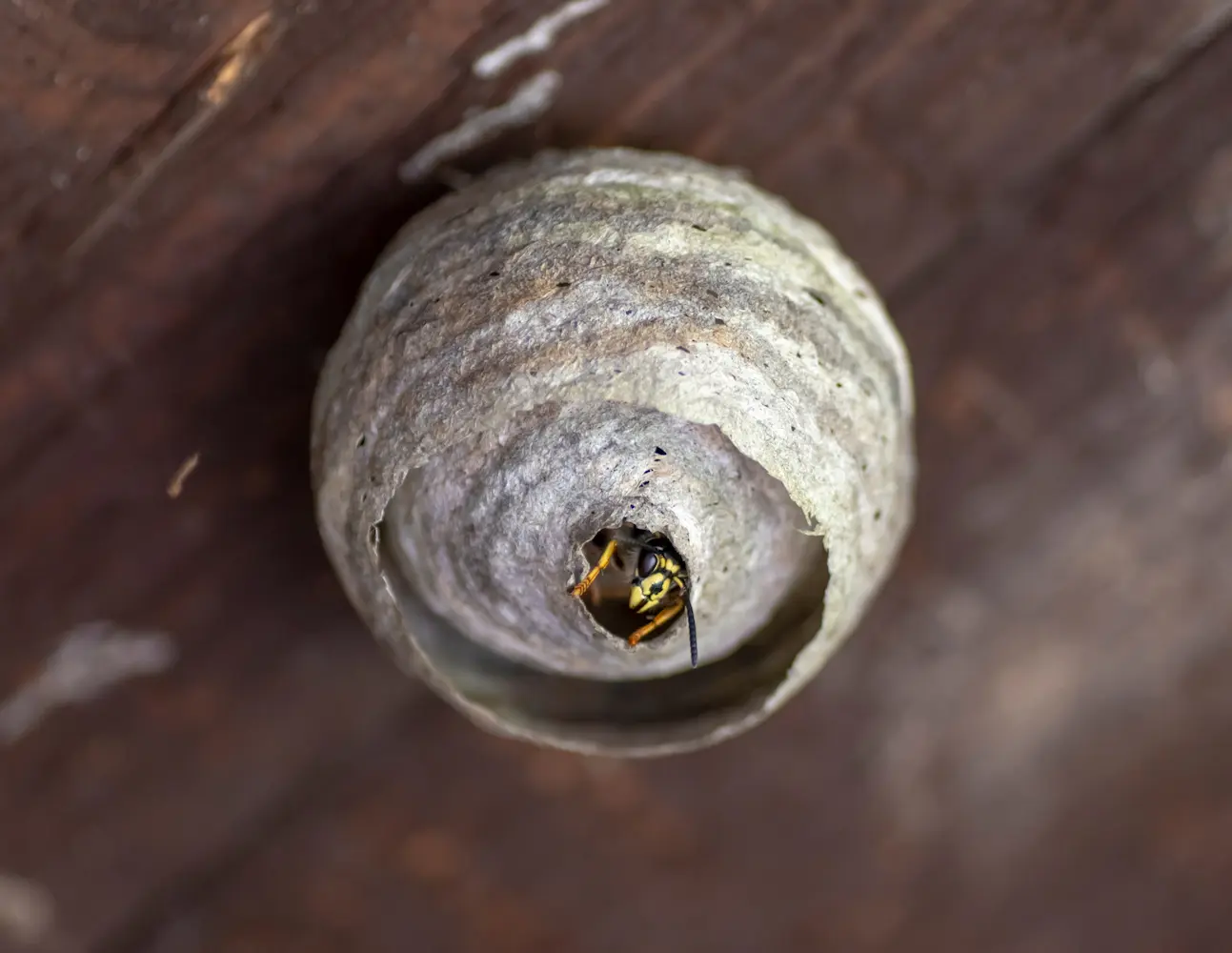
Common Wasp
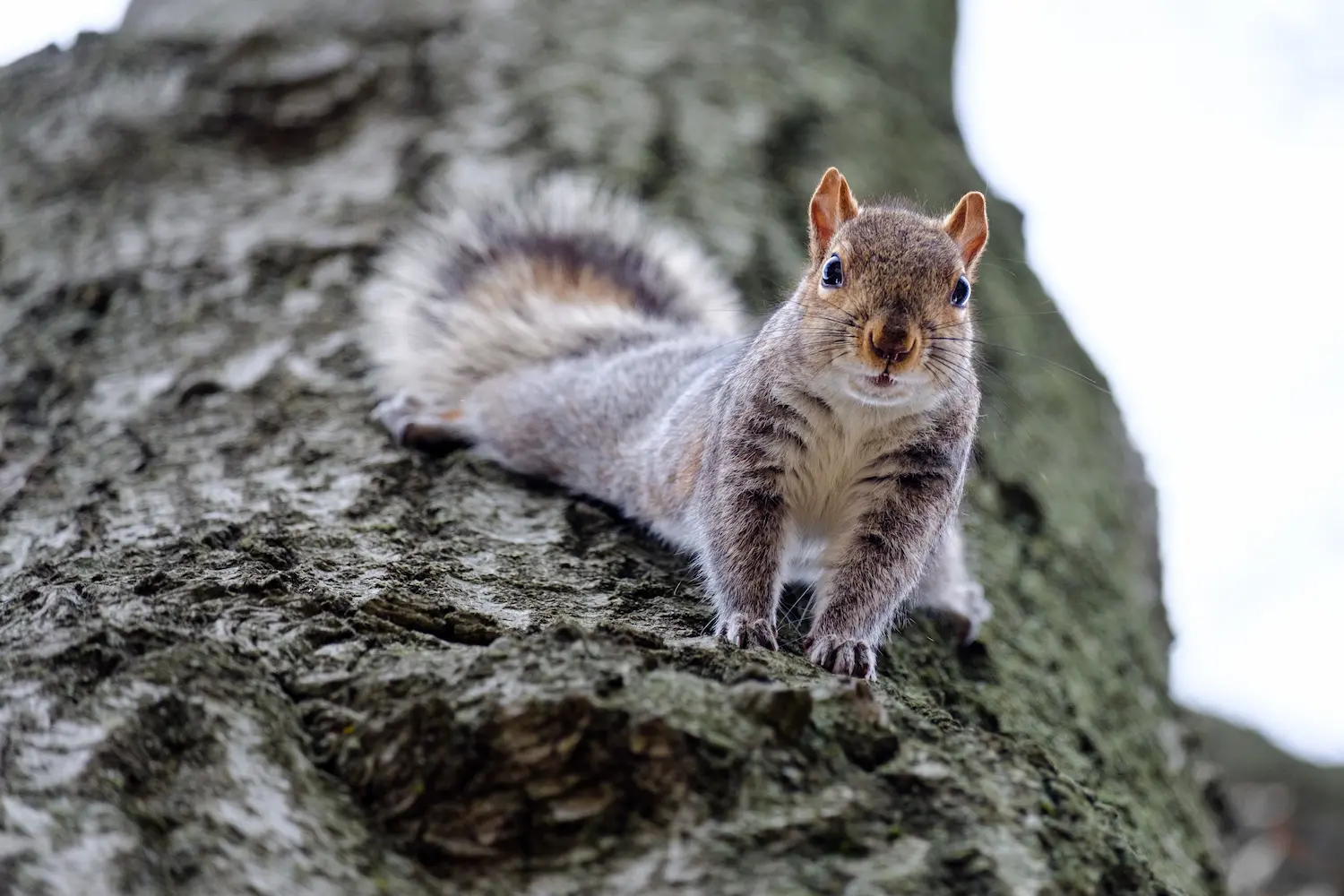
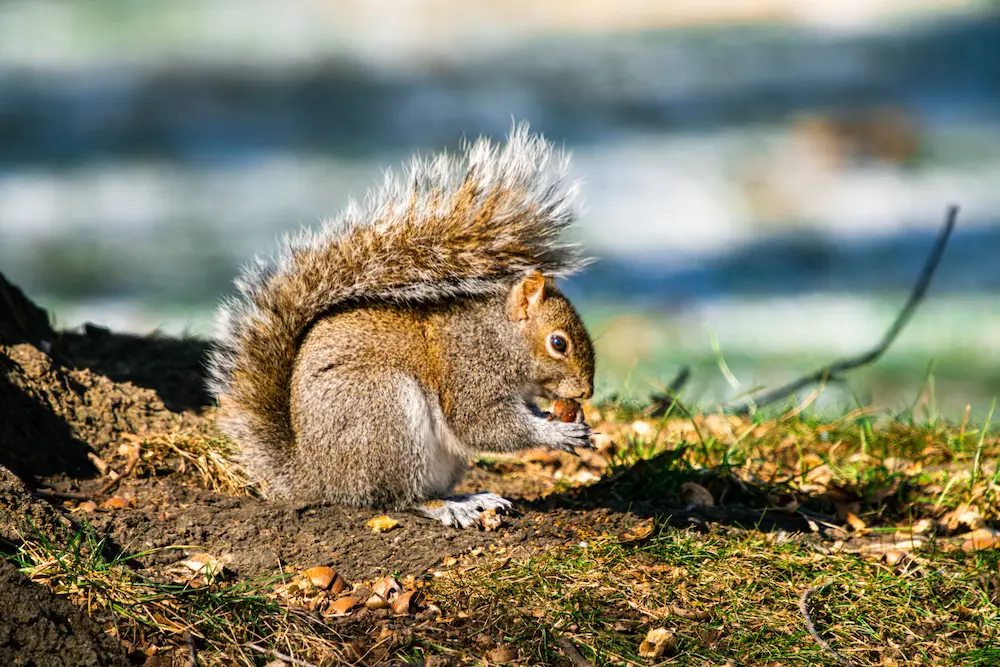
Grey Squirrel
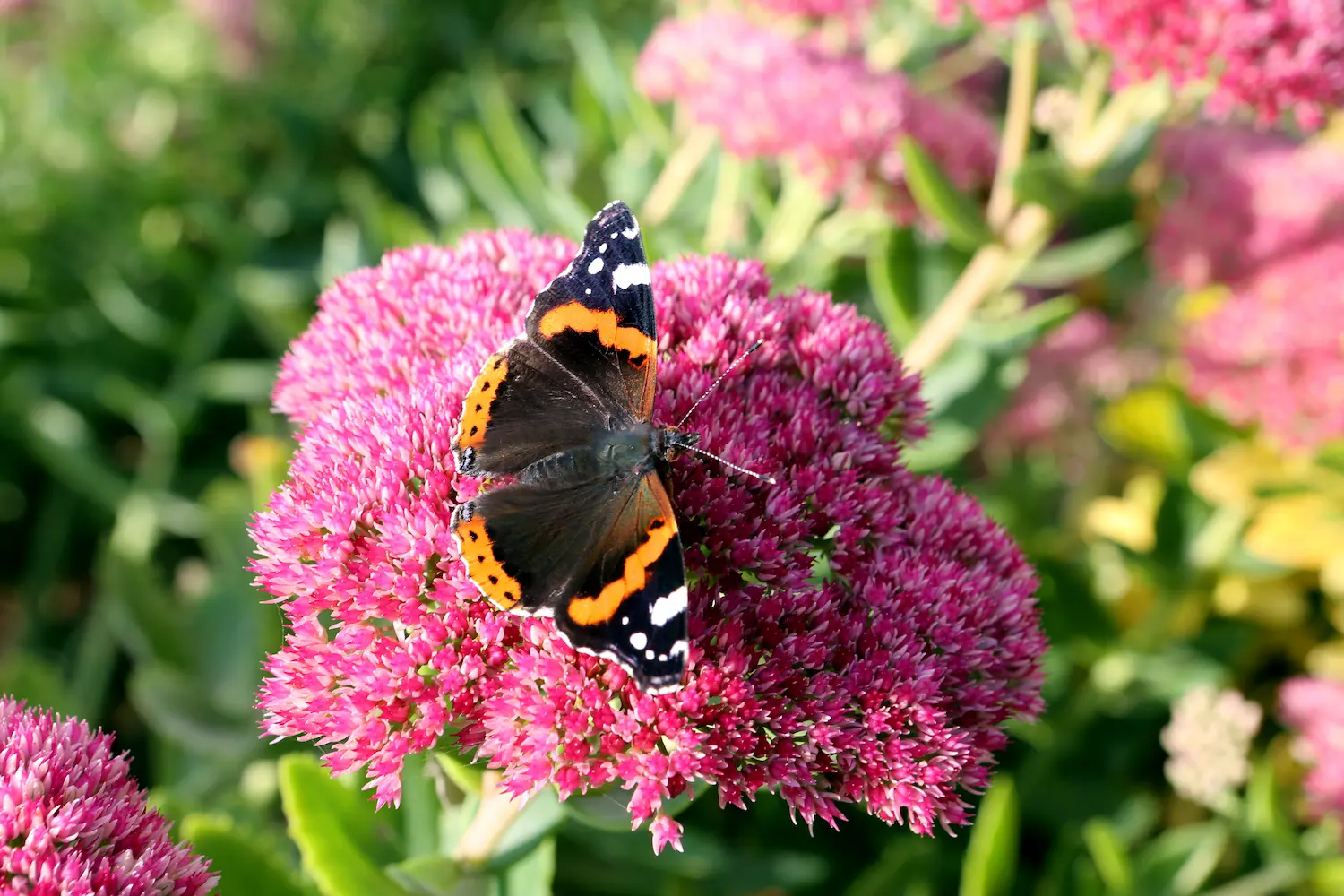
Red Admiral Butterfly

Migration and Movement
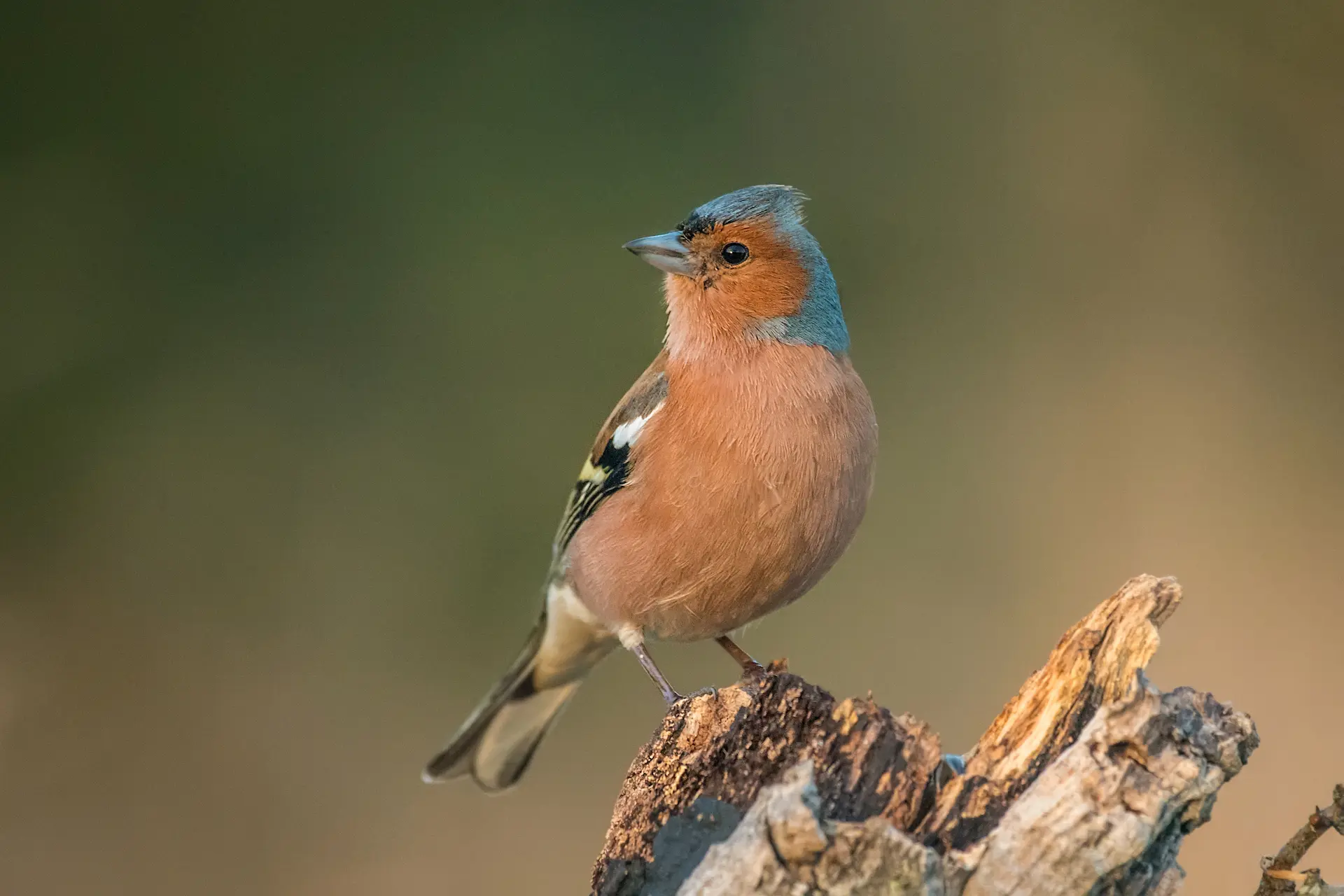
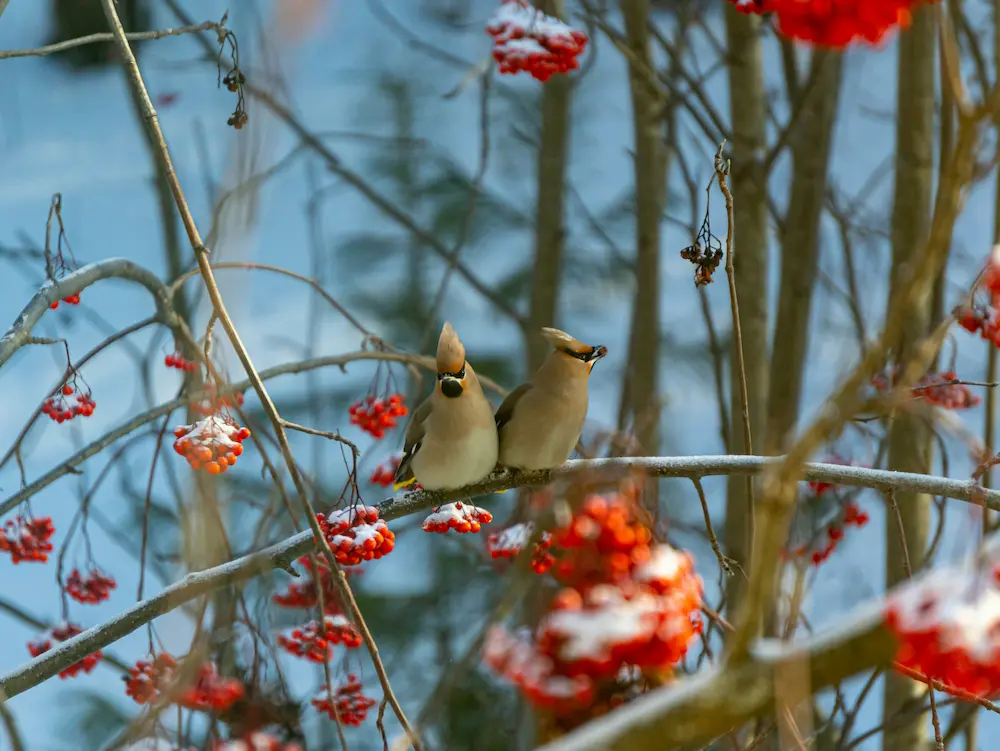
September through November sees one of nature’s most impressive spectacles – migration. Swallows gather in large flocks before their journey to Africa, while summer visitors like warblers and flycatchers quietly slip away. At the same time, winter visitors arrive from northern Europe – fieldfares, redwings, and waxwings bring color and activity to autumn landscapes.
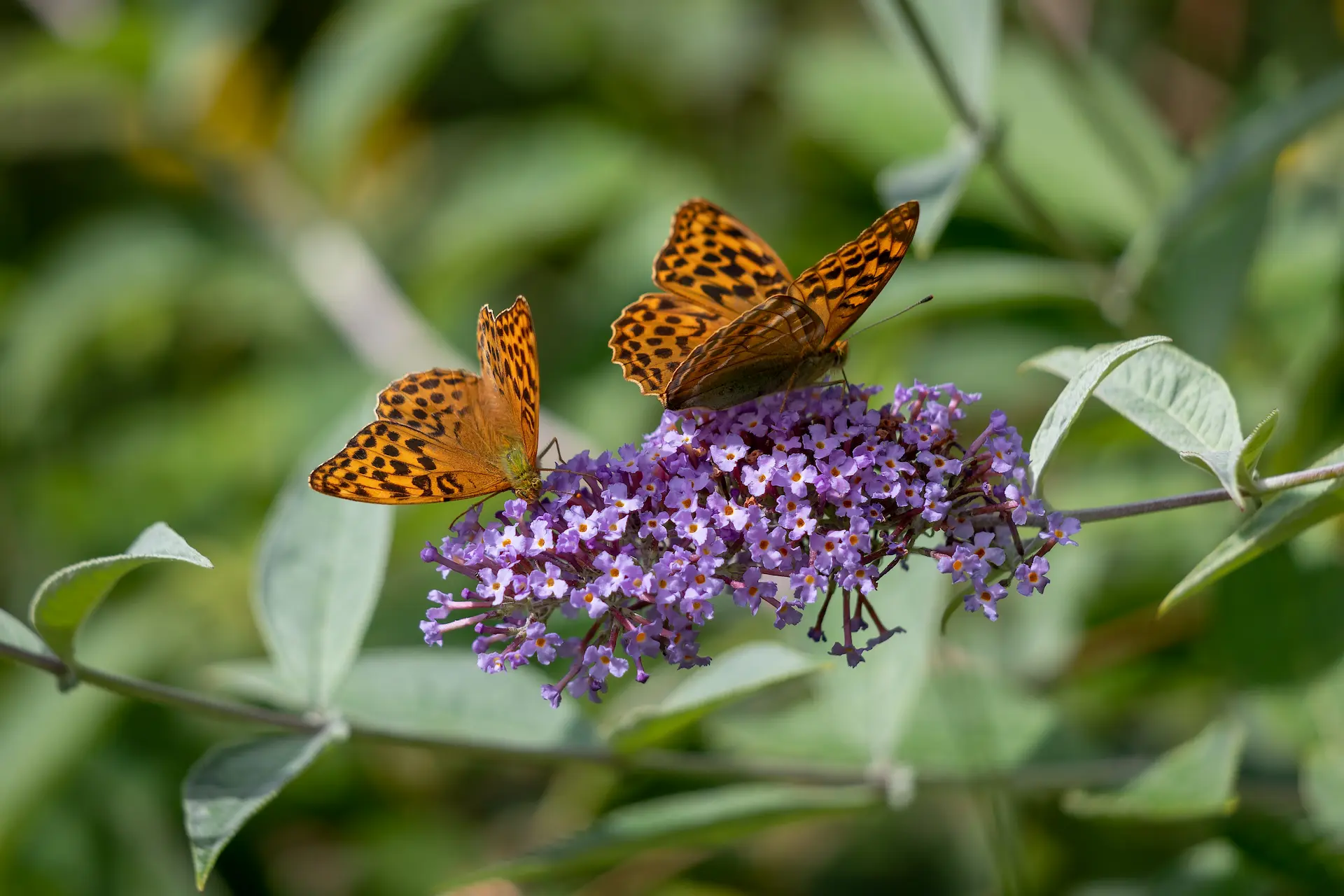
Butterflies like red admirals and painted ladies migrate southward, while moths undertake their own seasonal movements. Many insects enter dormancy, seeking shelter in bark crevices, under leaves, or in garden sheds and outbuildings.
Preparation for Winter
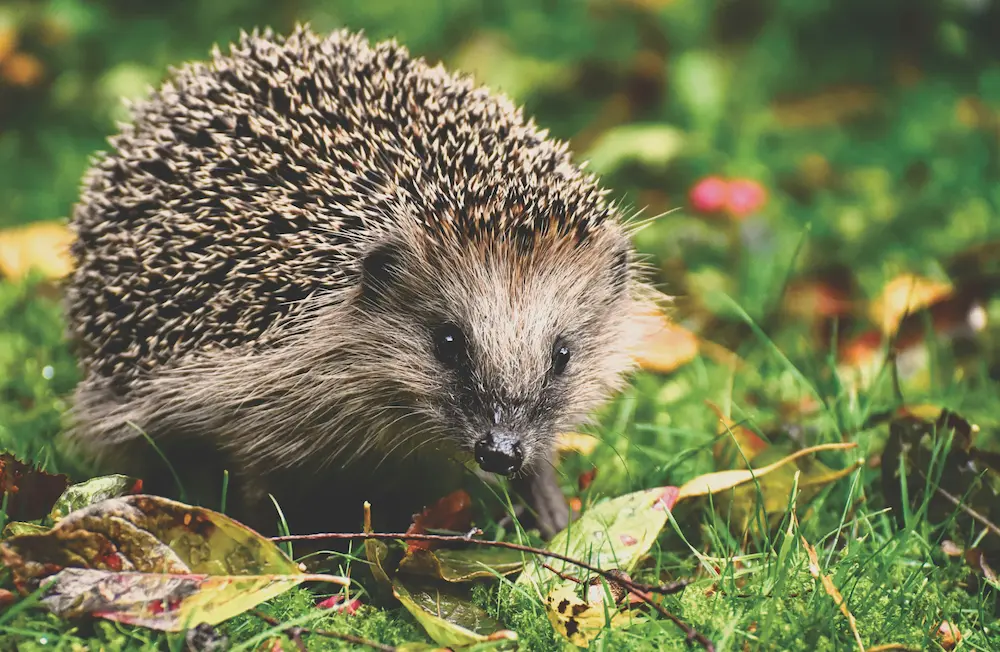
Mammals are busy building energy reserves for winter. Hedgehogs need to reach adequate weight before hibernation, while squirrels cache nuts and seeds in preparation for leaner times. Bats feed intensively on autumn insects, building fat reserves that must sustain them through hibernation.
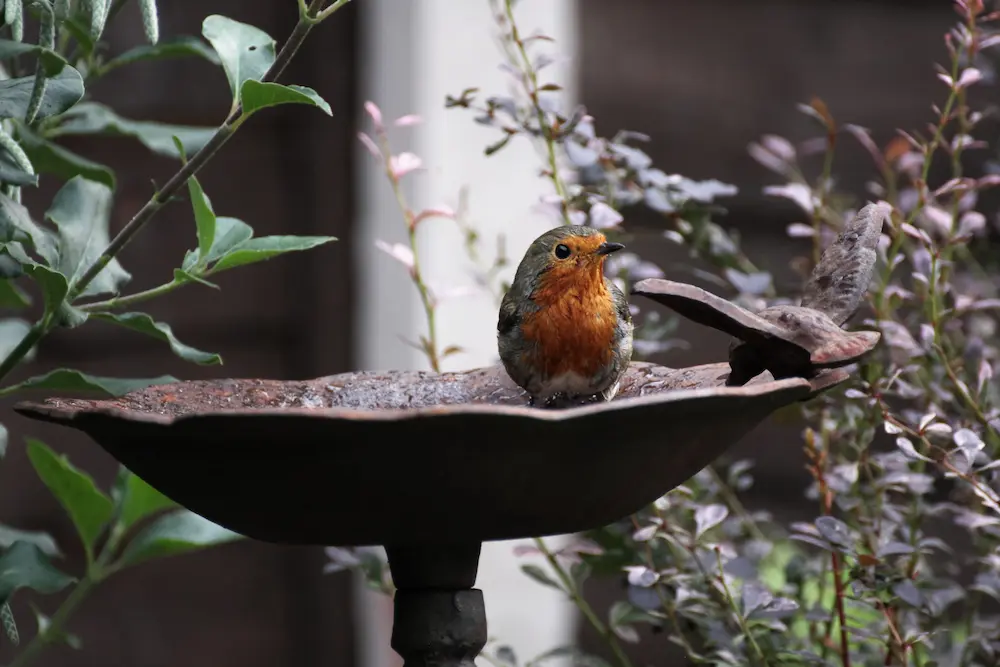
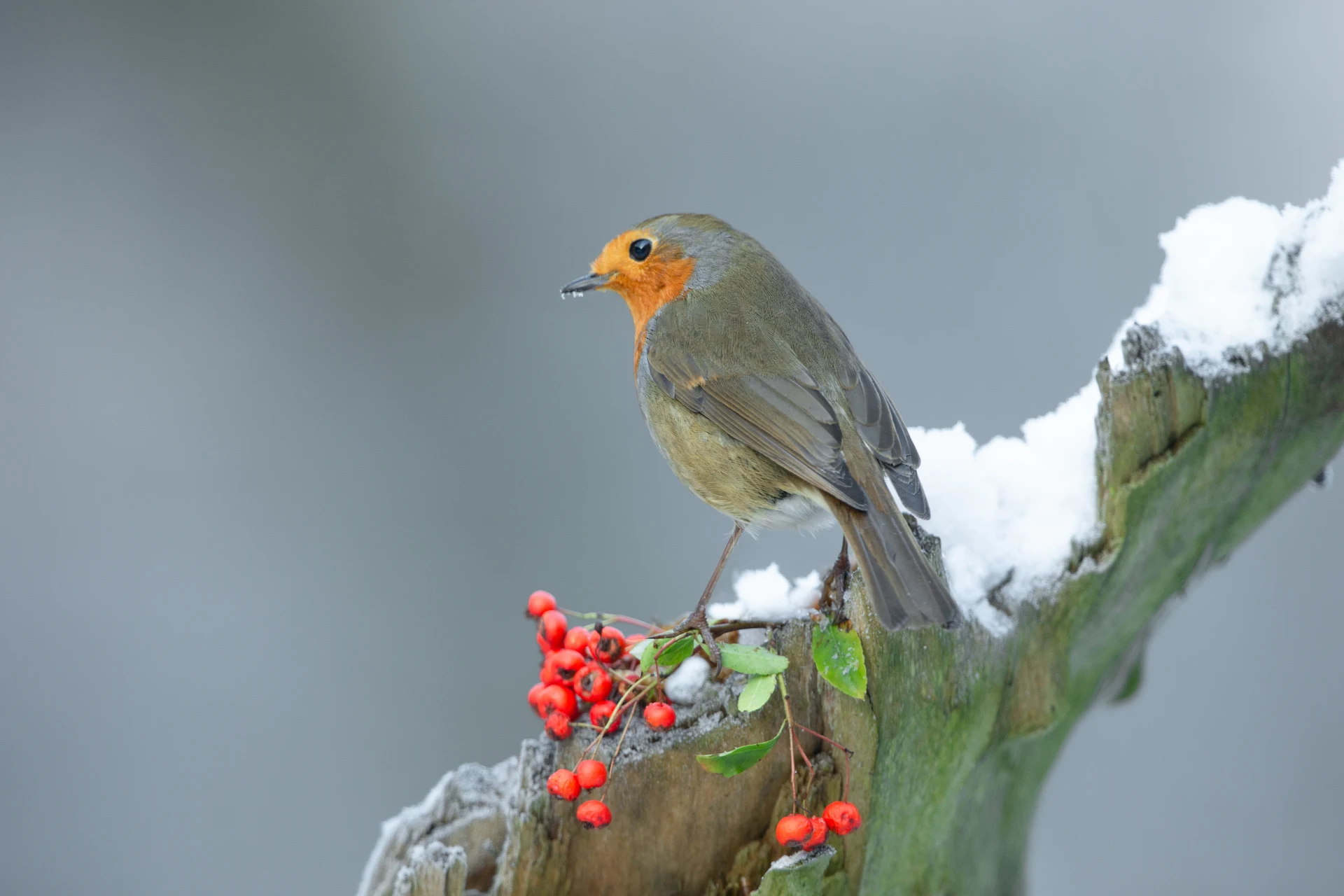
Birds adapt their behavior, with many species forming mixed feeding flocks that move through the countryside together. Residents like robins and wrens become more territorial as they secure feeding areas for winter.
Seasonal Abundance
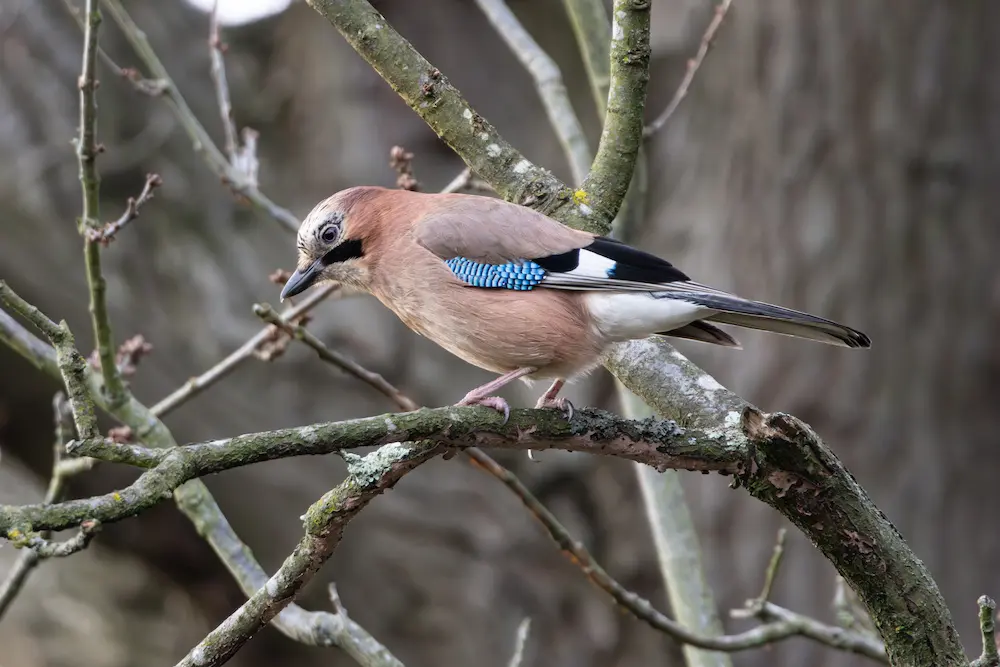
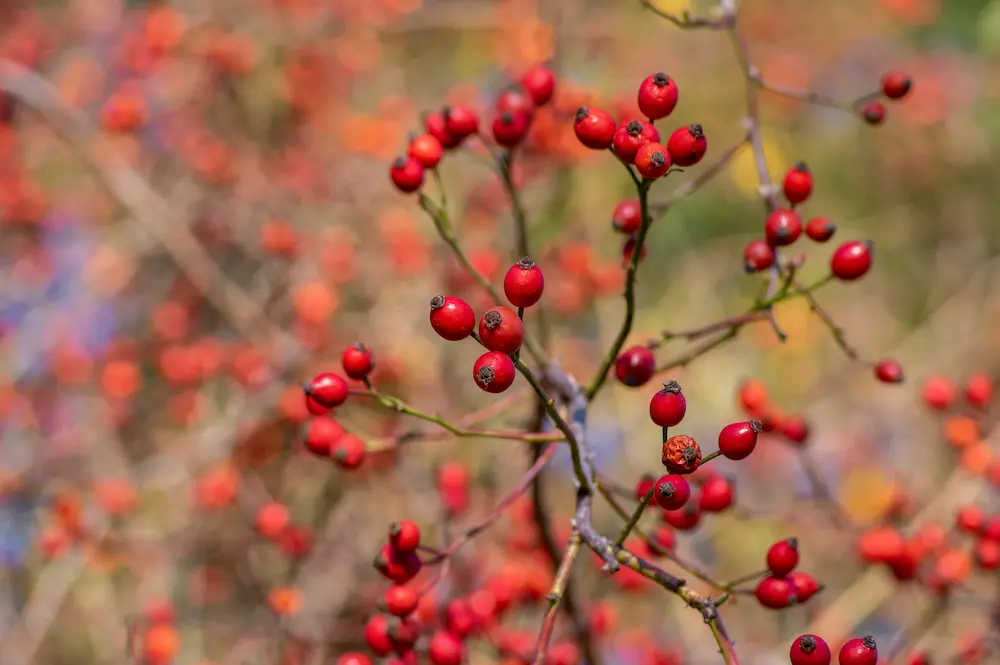
Autumn brings a natural harvest that sustains wildlife through winter. Blackberries, elderberries, and rose hips provide vital nutrition for birds and mammals. Nuts from oak, hazel, and beech trees support squirrels, mice, and jays. Seed heads from plants like teasel and fennel attract finches and other seed-eating birds.
Fungi become more visible, providing food for various mammals and supporting complex ecosystems of invertebrates that in turn feed birds and other wildlife.
How You Can Help Autumn Wildlife
In Your Garden:
- Leave seed heads standing instead of cutting everything back
- Plant berry-producing shrubs like hawthorn, elderberry, and rowan
- Create leaf piles for hedgehogs and insects to shelter in
- Provide fresh water as natural sources may become scarce
- Build insect hotels and hibernation boxes
Feeding Wildlife:
- Start supplementary feeding for garden birds
- Provide high-energy foods like sunflower seeds and fat balls
- Leave windfall apples for thrushes and other fruit-eating birds
- Avoid disturbing areas where wildlife might be sheltering
Conservation Activities:
- Participate in autumn wildlife surveys and migration monitoring
- Support habitat creation projects in your local area
- Join conservation groups working on winter habitat management
- Report wildlife sightings to local recording schemes