The Magnificent Bluebell Woods
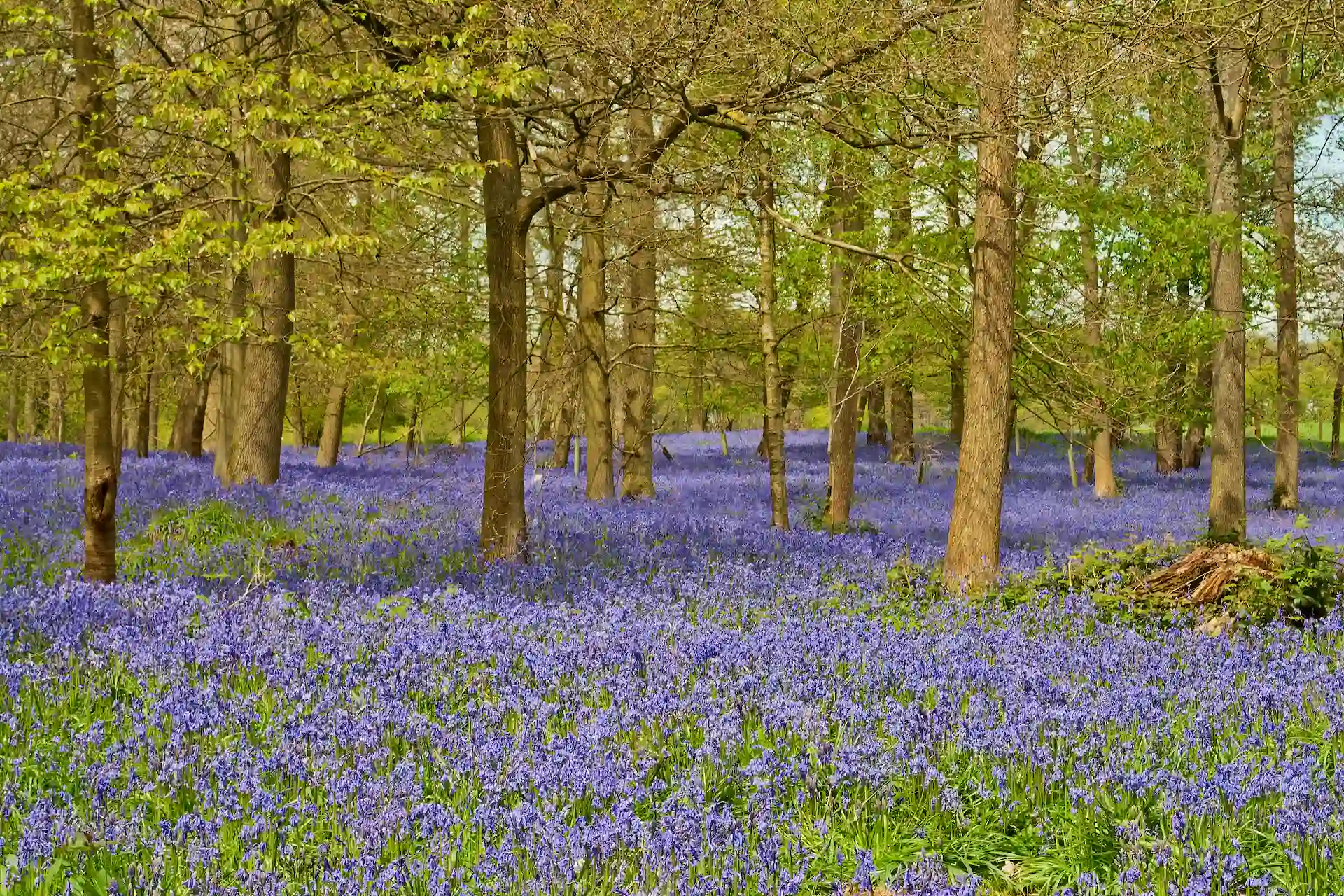
Perhaps no flower captures the essence of Devon’s springtime quite like the enchanting bluebell. From April to May, Devon’s ancient woodlands transform into magical carpets of nodding blue flowers, creating what locals have long called “fairy grounds.” These delicate blooms are not merely beautiful—they serve as living indicators of old-growth woodland, often signaling that the forest floor has remained undisturbed for decades or even centuries.
Walking through a Devon bluebell wood is a sensory experience unlike any other. The sweet, honey-like perfume fills the air while the distinctive blue haze filters through the canopy above. These ethereal landscapes remind us why protecting our natural habitats is so crucial to preserving Devon’s botanical heritage.
Beyond their visual elegance, bluebells once served practical purposes that connected them intimately to daily life. During the Middle Ages, their sticky sap was used to bind books and attach feathers to arrows. Later, in the Elizabethan era, the bulbs were crushed to produce a starch-like substance used to stiffen the elaborate ruffs that adorned noble collars.
Today, bluebells are protected by law, and it is illegal to pick, uproot, or destroy wild bluebells anywhere in the UK. This protection is essential, as bluebells are slow-growing and remarkably fragile. Even seemingly harmless trampling can damage their leaves, affecting their ability to photosynthesize and thrive. Once you’ve experienced the breathtaking sight of a bluebell carpet in ancient Devon woodland, you’ll understand why these flowers must be preserved for generations to come.

Primroses: Harbingers of Spring
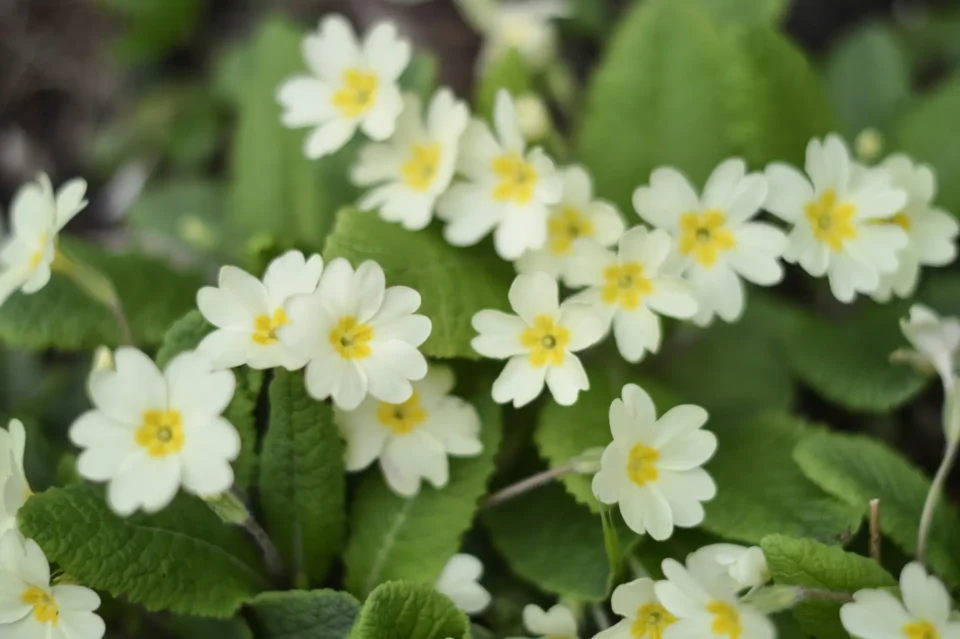
The pale yellow primrose appears along Devon’s hedgerows and woodland edges as early as February, bringing one of the first promises of spring. These charming flowers have deep roots in local folklore—traditionally considered protective plants that could safeguard homes when planted near doorways.
Primroses thrive in the moist, partially shaded conditions that Devon’s climate provides so abundantly. Their name derives from “prima rosa” or “first rose,” though they belong to a different plant family entirely.
In our sustainable growing practices, we observe how primroses flourish in natural settings and replicate these conditions in our cultivation areas, avoiding chemical interventions that would disrupt their delicate balance with native pollinators.

The Mighty Foxglove
Standing tall among Devon’s hedgerows and woodland clearings, the foxglove creates spectacular purple spires throughout early summer. These striking flowers have captured the imagination of generations of Devon residents, inspiring both admiration and caution.
Foxgloves contain powerful cardiac glycosides—compounds that eventually led to important heart medications—but they’re also highly toxic if ingested. This duality perfectly represents the respectful relationship with nature we cultivate at Marguerite Rose: appreciating beauty while understanding its complexities.
The tubular bells of the foxglove are perfectly adapted for their primary pollinator—the bumblebee—which can crawl deep inside to reach the nectar. This specialized relationship demonstrates the intricate ecological connections we seek to support through our sustainable farming practices.

Red Campion: The Hedgerow Beauty
The vibrant pink-red flowers of the red campion brighten Devon’s hedgerows from spring through summer. These resilient plants have adapted perfectly to life in the dappled shade of our countryside boundaries.
Red campion plays an essential role in supporting local biodiversity, providing nectar for a wide range of insects including bees, butterflies, and moths. The plants themselves host several specialized insects that have evolved alongside them.
At Marguerite Rose, we’ve incorporated elements of traditional Devon hedgerow management into our growing areas, creating mixed habitats where cultivated flowers can grow alongside beneficial native species like red campion.

Preserving Devon’s Floral Heritage
These native flowers represent just a small fraction of Devon’s rich botanical heritage. Each species tells a story about our local environment, climate, and the centuries of relationship between people and plants in this special corner of England.
By studying and celebrating these native flowers, we at Marguerite Rose continually refine our understanding of sustainable growing practices. We believe that working with nature—rather than against it—produces not only better flowers but a healthier environment for everyone.
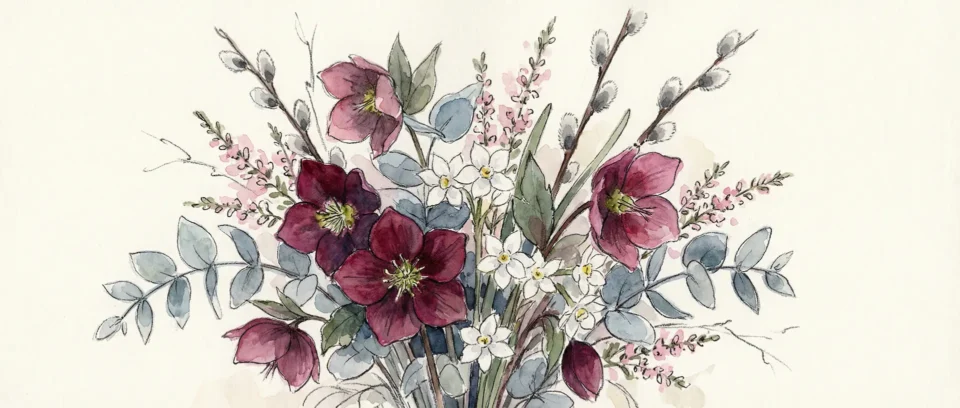
Our seasonal bouquets often incorporate cultivated varieties that echo the beauty of these native species, allowing us to share Devon’s floral heritage while protecting wild populations. Through respectful cultivation and education, we hope to ensure these beloved flowers continue to thrive in Devon’s landscape for generations to come.
Visit our Devon flower farm to experience this botanical heritage firsthand, and take home a piece of our sustainable floral tradition in every Marguerite Rose arrangement.