Farm Practices
sustainable flower growing from field to vase
Wildly Beautiful Flowers
Nature-first farming
At Marguerite Rose we believe that the best flowers are cultivated through nature-first farming methods and mindful land stewardship.
Our Growing Philosophy
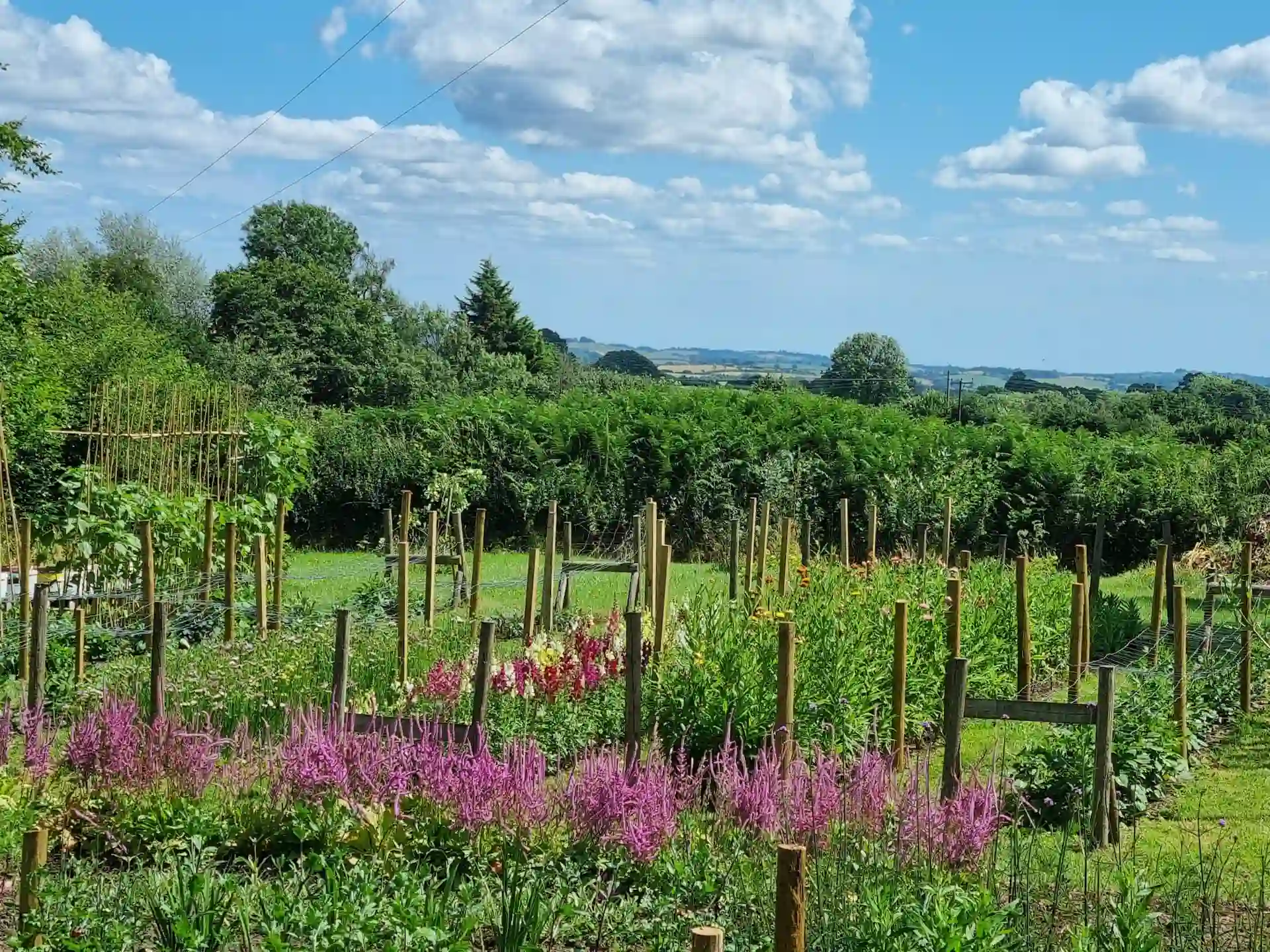
At our Devon flower farm, our approach to growing flowers is to replicate the wild plant cycle as closely as possible. We believe this leads to healthier, more resilient flowers and a positive impact on the local ecosystem.
In nature, flowers play a vital role—providing food and habitat for pollinators, enriching the soil as they grow and decompose, and contributing to overall ecosystem health.
Because our flower farming involves removing the blooms, we are constantly considering how to support these same ecological benefits within our growing practices.
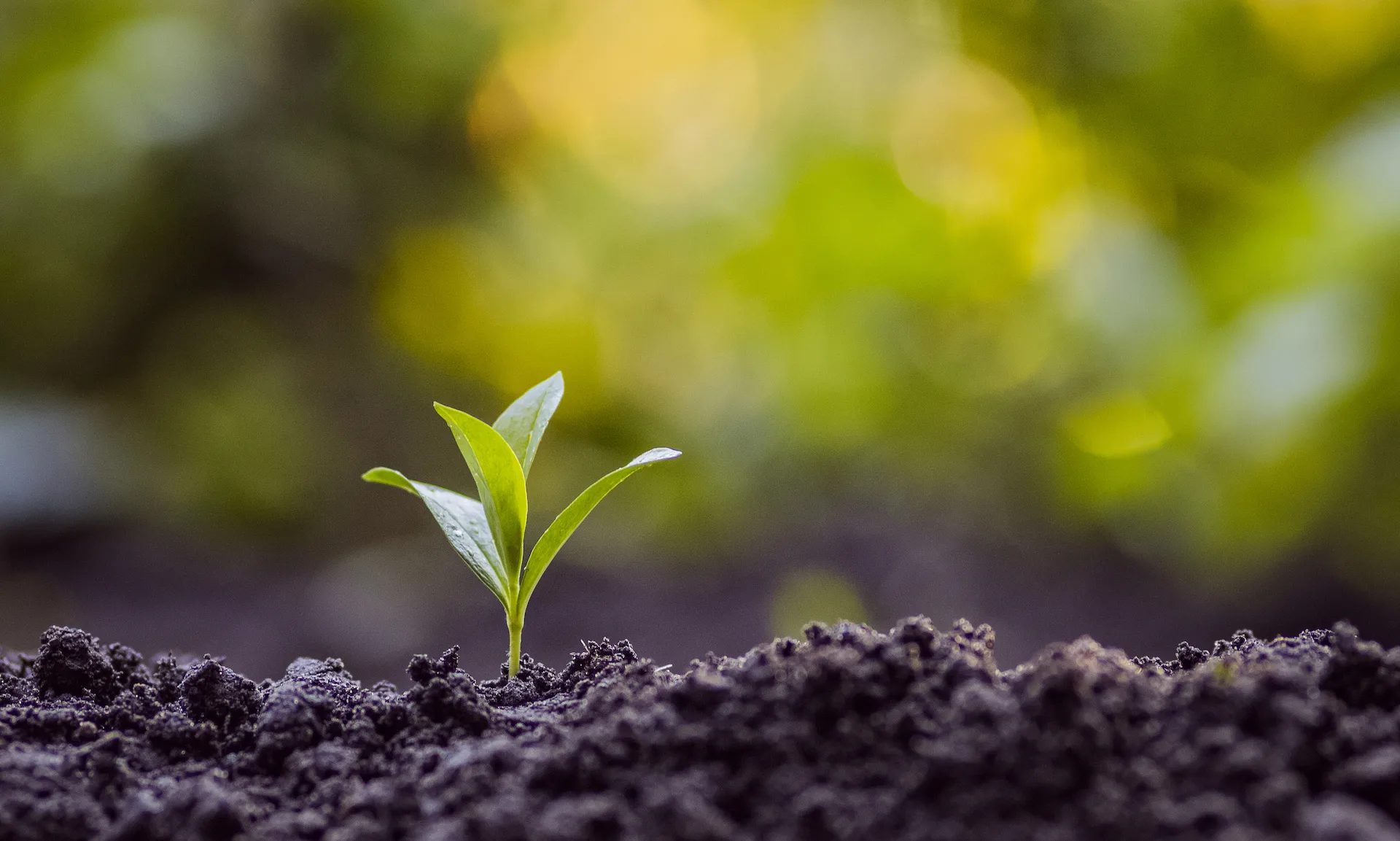
It starts with the soil
Healthy Soil
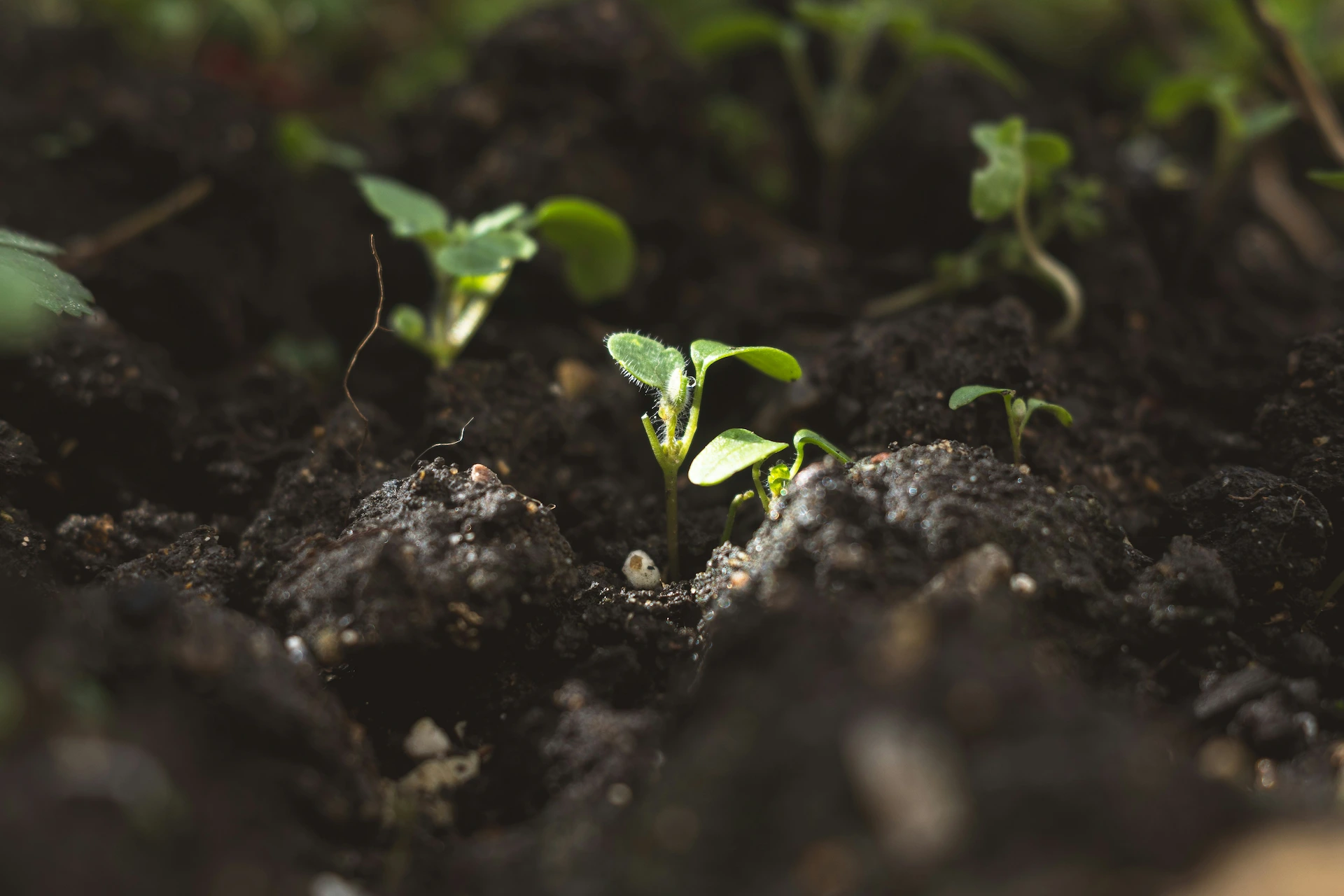
Just as a thriving wild ecosystem depends on healthy soil, it’s the foundation of our Devon flower farm. To naturally replenish the nutrients our harvested blooms take, we prioritise using locally sourced organic matter.
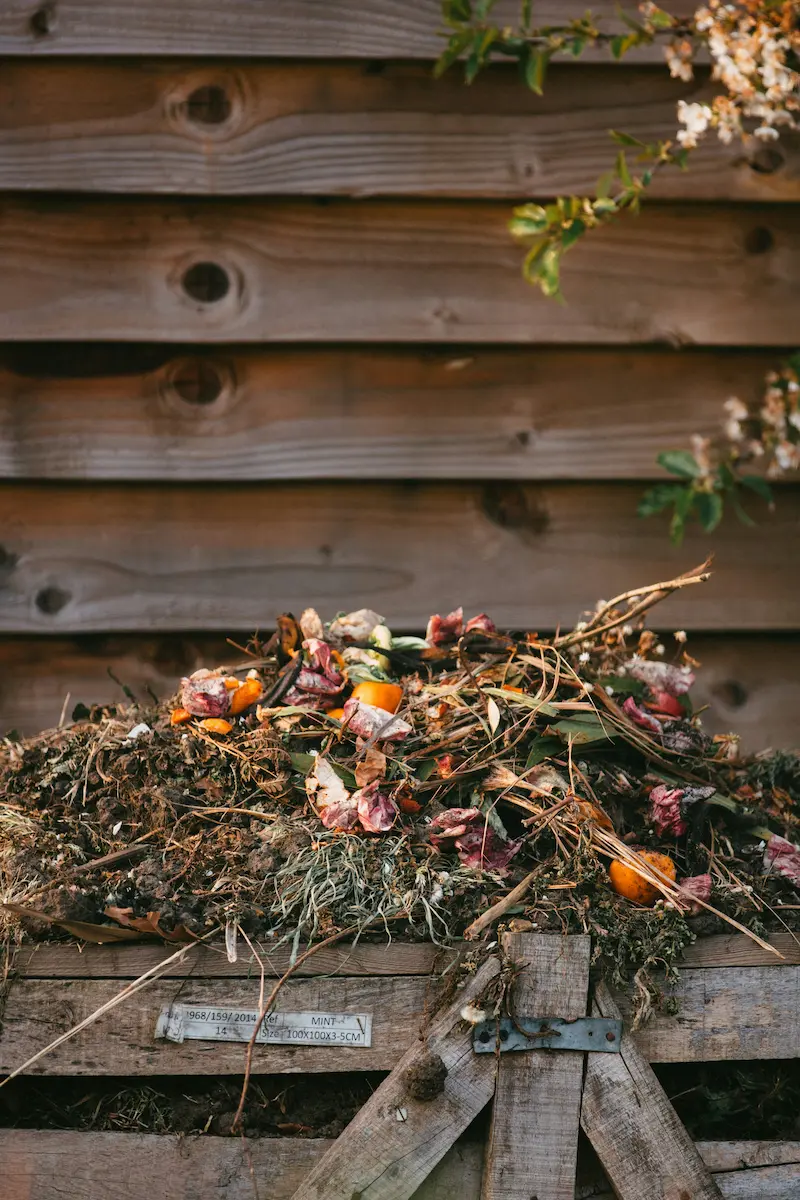
We’re fortunate to have neighbours who raise goats and alpacas, providing us with valuable manure to enrich our soil. Alongside this, we compost all our farm’s organic waste.
Furthermore, we brew our own nettle tea from the stinging nettles that flourish here, giving our soil a natural health boost. Importantly, we minimise soil disturbance to protect its delicate structure and the beneficial life within, fostering a naturally thriving environment for our flowers’ roots.
Natural Cultivation
Our Approach
We focus on growing seasonal flowers that thrive naturally in Devon's climate, avoiding artificial aids and synthetic chemicals entirely. By using diverse planting techniques and natural pest control methods, we create fields that are not only productive but also conserve water and provide habitat for local wildlife.
Sustainable Flower Growing, Collaborations, and Our Future Plans in Devon
A natural Harmony
The Season as our guide
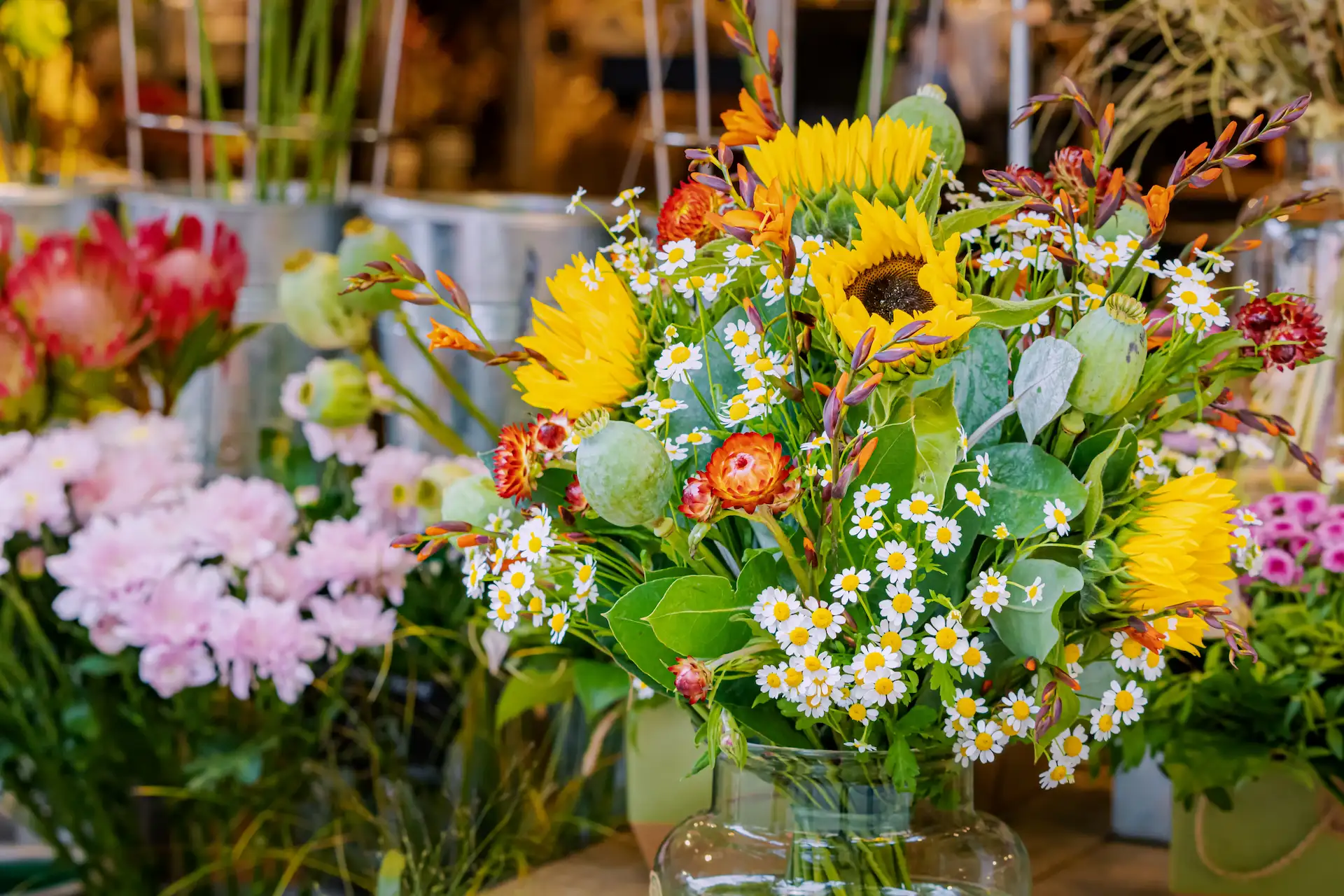
In the wild, plants are deeply connected to their local environment and the natural progression of the seasons. To honor this inherent rhythm, we exclusively cultivate flowers that naturally thrive in Devon.
While we use greenhouses and polytunnels to protect our crops and gently extend growing seasons, we work within nature’s framework rather than forcing unnatural growth cycles. By prioritising native UK and Devon blooms, we ensure our flowers are naturally adapted to our climate, promoting resilience and reducing the need for intensive interventions.
This focus on local and seasonal varieties also plays a vital role in supporting the rich biodiversity of our region—a key aspect of a healthy wild ecosystem.
Nature's Own Equilibrium
Diversity and Natural Pest Control
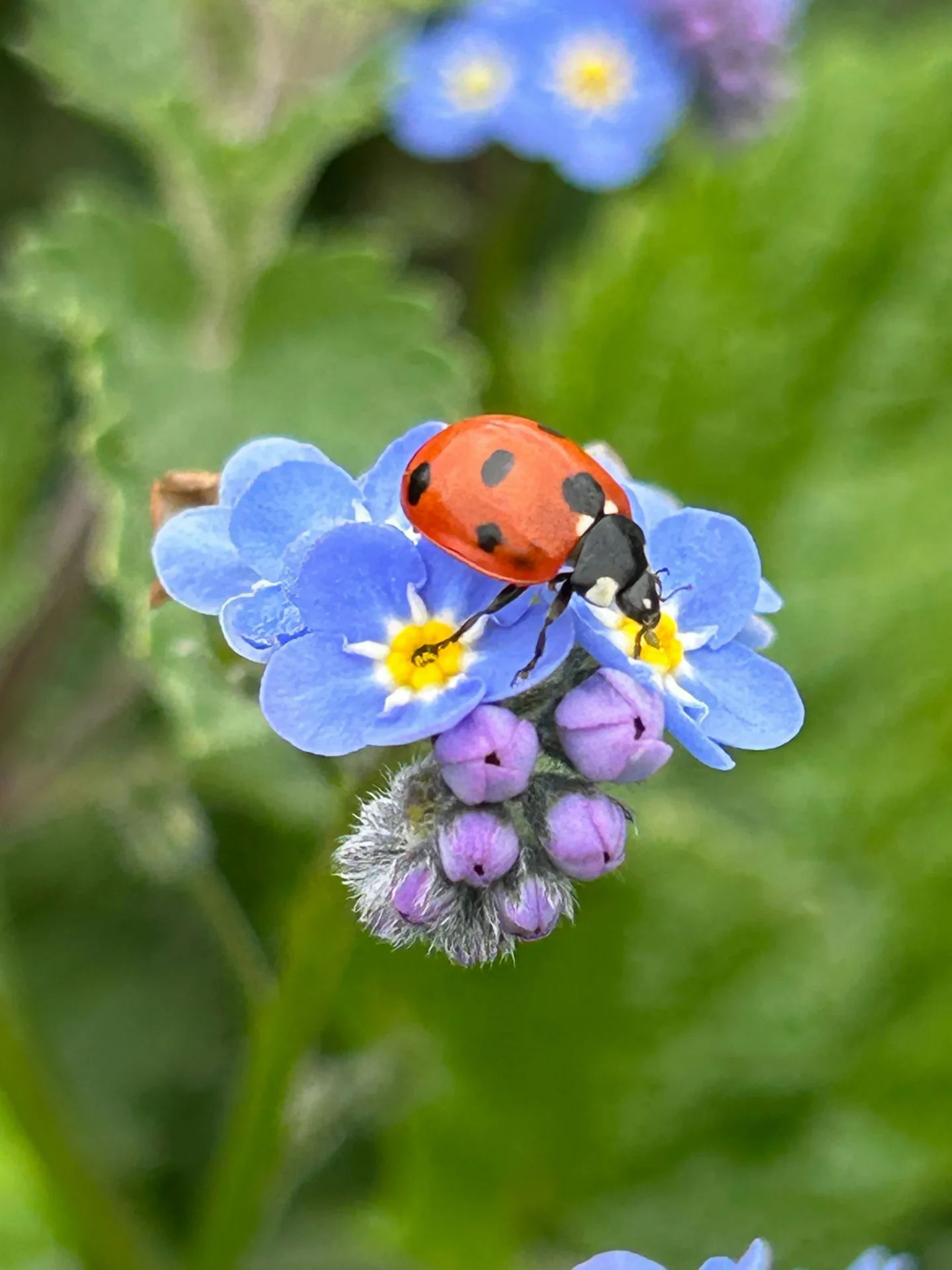
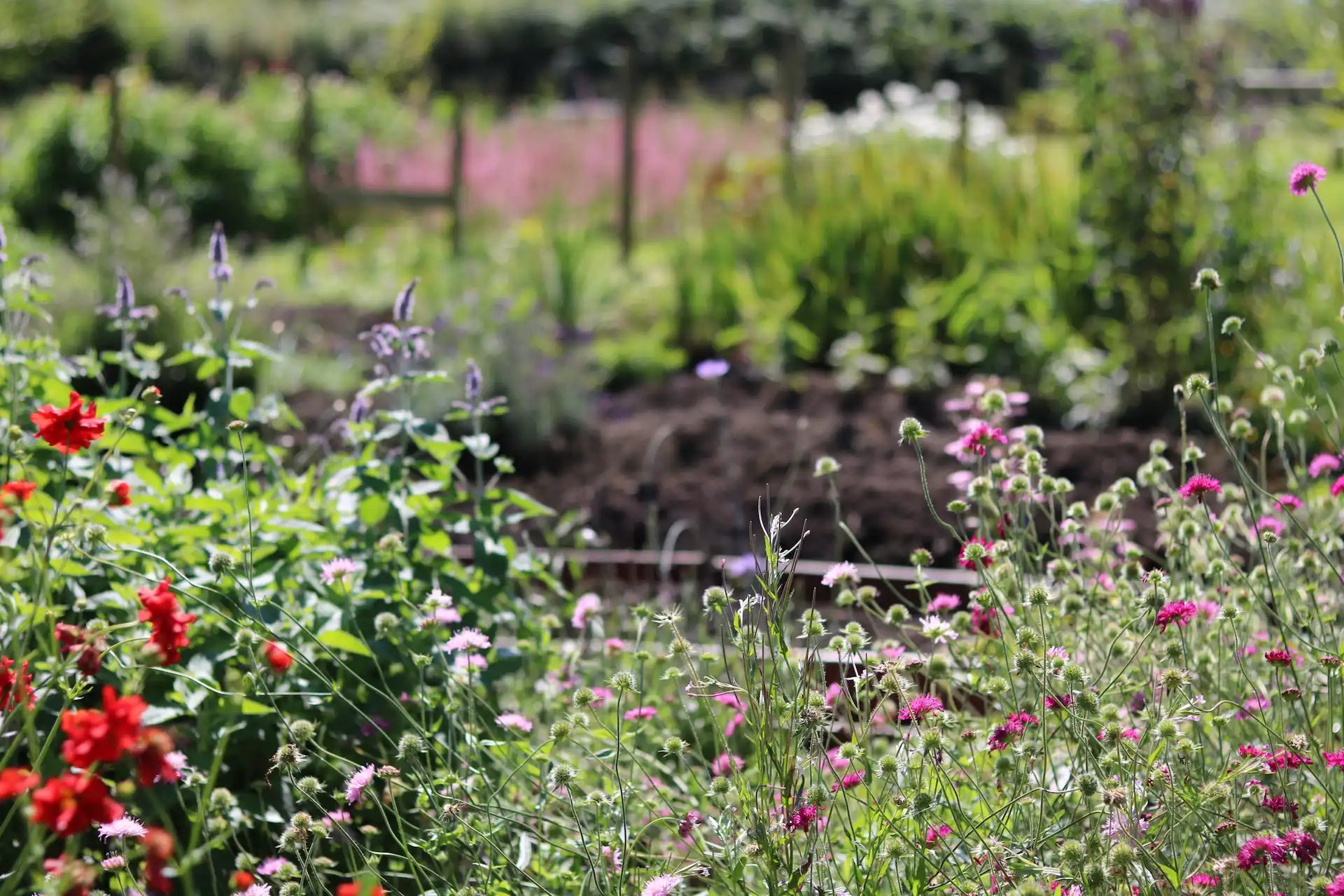
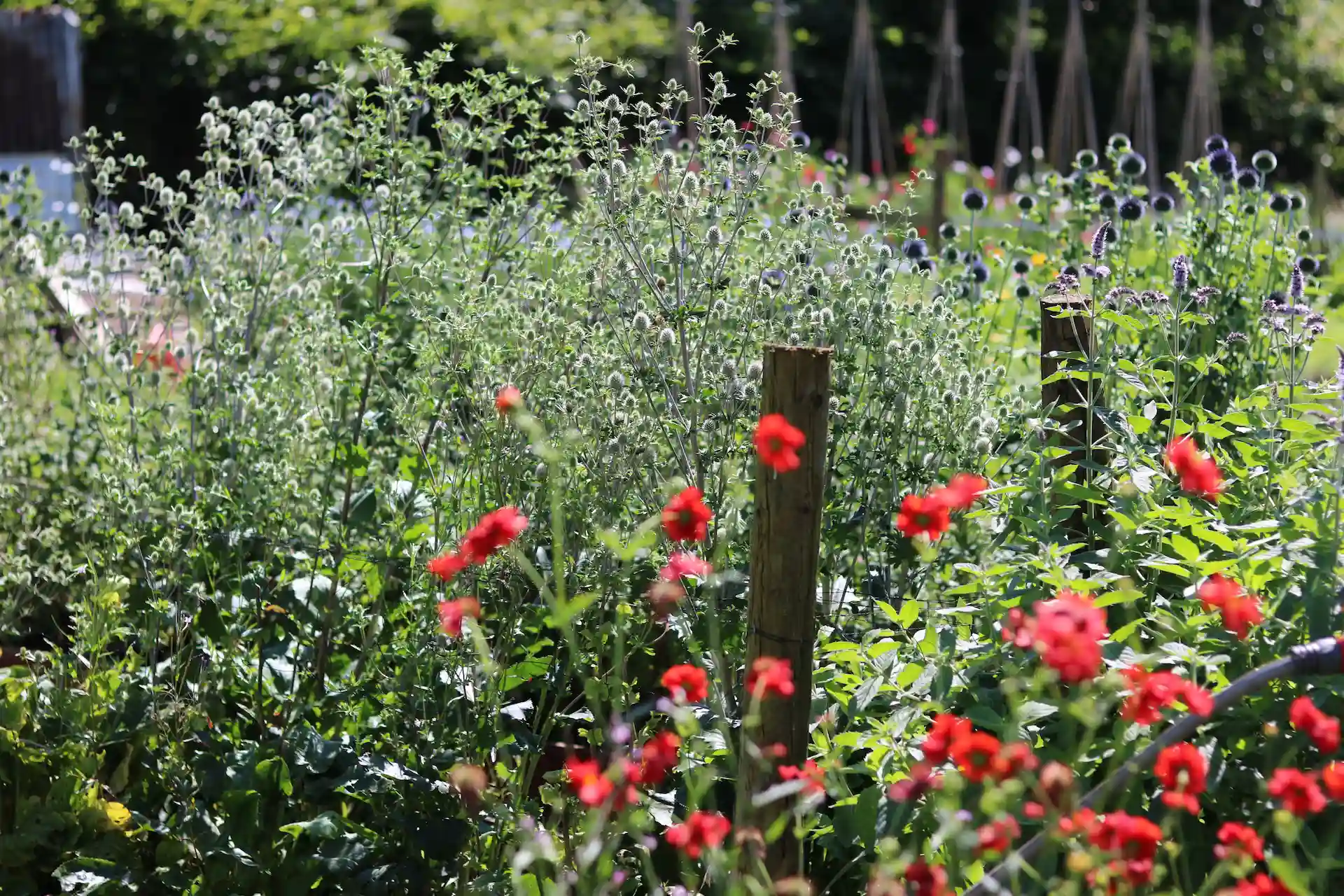
Wild plant communities are characterised by a rich mix of species, where natural checks and balances maintain equilibrium. To emulate this self-regulating system, we cultivate a diverse range of plants within our flower borders. This variety contributes to a more resilient and balanced growing environment.
Just as plant communities shift naturally in the wild, we practice annual crop rotation. By moving our flowers to different locations each year, we help maintain soil health and disrupt potential pest and disease build-up.
Furthermore, we employ companion planting, selecting specific plant pairings like achillea, comfrey, borage, and marigolds to naturally repel pests and attract beneficial insects. This natural form of pest management mirrors the intricate relationships found in wild ecosystems, allowing us to avoid artificial interventions entirely.
Living Together
Water and Wildlife on Our Farm
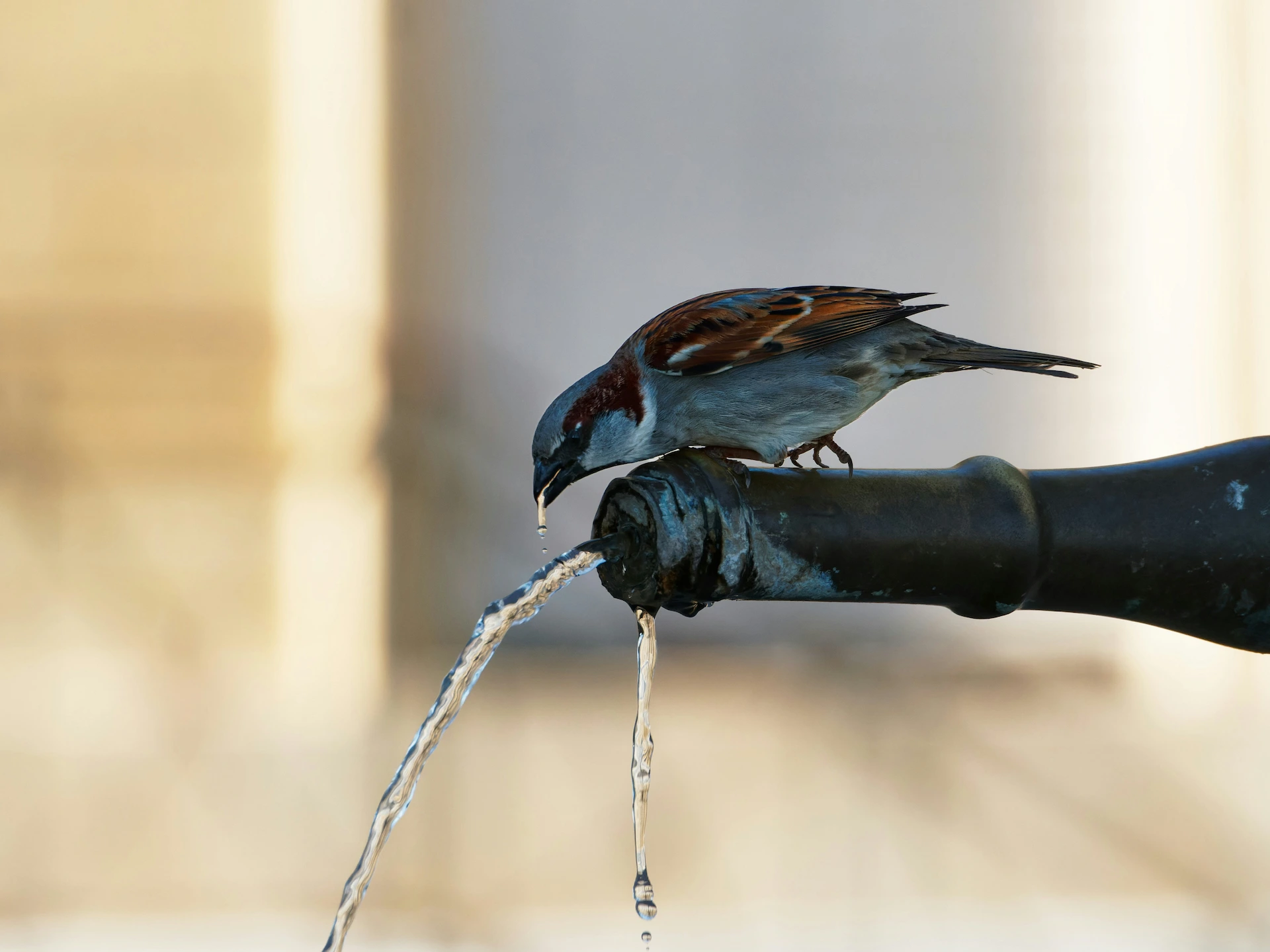
Wild ecosystems rely on careful water management and the presence of a diverse array of wildlife. At Marguerite Rose, we strive to mirror this delicate balance in our practices. We collect rainwater in several water butts around the farm, mimicking natural rainfall patterns when we water our plants. We even recycle the water used for conditioning our cut flowers, minimising our water usage.
Recognising the vital role of all living creatures, we consciously leave beneficial “weeds” undisturbed wherever possible, providing natural habitats and food sources. Our large hedgerows offer shelter and sustenance for local wildlife. We’ve also created bee hotels to support solitary bee populations and ensure a constant supply of fresh water for birds, hedgehogs, toads, and other creatures. This actively encourages natural pest control through allies like our slug-loving toads.