Watch a goldfinch perched delicately on a thistle head, its bright red face concentrated on extracting seeds, and you’re witnessing one of nature’s most elegant partnerships. Throughout the British Isles, our native birds and flowers have developed intricate relationships that shift and change with the seasons, creating a year-round calendar of cooperation that’s both beautiful and essential for survival.
These relationships go far beyond simple feeding. Birds use flowers for nesting materials, territorial displays, and even as tools for courtship. Understanding these connections can transform how we see our gardens and countryside, revealing the hidden stories written in petals and wings.
Spring: The Season of New Beginnings
As the first crocuses push through the soil and cherry trees burst into bloom, British birds begin their most demanding season. Spring flowers offer more than just nectar—they provide the building blocks for new life.
Long-tailed tits, those tiny acrobats of the woodland edge, create some of Britain’s most remarkable nests. These intricate structures, shaped like a bottle with a side entrance, are marvels of engineering that can take up to three weeks to build. The birds collect thousands of pieces of lichen, moss, and spider silk, but it’s the soft flower petals that make these nests truly special. The tits carefully select petals from fruit trees, hawthorn, and wild roses, weaving them into the inner lining to create a soft, insulated chamber for their eggs.
The choice of petals isn’t random. Different flowers provide different qualities—apple blossoms offer softness, while rose petals provide durability. The birds seem to understand these properties intuitively, selecting materials that will best serve their needs. Some pairs use over 2,000 individual pieces of material, with flower petals making up a significant portion of the interior decoration.

Meanwhile, blackbirds and thrushes are busy hunting for insects among the emerging spring flowers. The early blooms of willow, hazel, and blackthorn attract the first flying insects of the year, creating feeding opportunities for birds emerging from winter’s lean months. These early flowers are crucial stepping stones, bridging the gap between winter’s stored food and summer’s abundance.
Summer: The Time of Plenty
Summer brings the year’s greatest floral abundance, and British birds make the most of it. The relationship between flowers and birds becomes most visible during these warm months, when gardens and countryside alike burst with blooms and bird activity.
Goldfinches, perhaps Britain’s most flower-dependent birds, begin their close association with the daisy family. These acrobatic little birds have evolved specifically to feed on the seeds of plants like thistles, dandelions, and teasels. Their pointed bills and nimble feet allow them to cling to swaying flower heads and extract seeds with remarkable precision.

The goldfinch’s feeding technique is a masterpiece of adaptation. They can hang upside down from the most delicate flower head, using their feet to hold the stem steady while their bills probe for seeds. A single goldfinch can consume hundreds of seeds in a day, and they show distinct preferences for certain flowers. Teasel seeds are particularly favored, as they’re large and nutritious, while dandelion seeds provide essential oils that help maintain the birds’ brilliant yellow wing markings.
Hummingbird hawkmoths aren’t birds, but they share feeding grounds with many British species around flowers like honeysuckle and lavender. True nectar-feeding birds like hummingbirds don’t naturally occur in Britain, but our native birds have found other ways to exploit flower resources. Blue tits have been observed visiting flowers for nectar, particularly favoring cherry blossoms and apple flowers in spring.
Autumn: The Season of Abundance
As summer fades into autumn, the relationship between birds and flowers shifts from fresh blooms to seed production. This is when many flower-bird partnerships reach their peak importance, with seed-rich flower heads providing crucial fuel for winter survival and migration.
The goldfinch family comes into its own during autumn. Not only do the adults continue feeding on late-flowering plants, but they also begin teaching their young the intricate skills of seed extraction. Family groups can be seen working through patches of teasel and thistle, with parent birds demonstrating the best techniques for accessing different types of seeds.
Greenfinches, larger and more robust than their goldfinch cousins, tackle the bigger seeds that autumn provides. They’re particularly fond of sunflower seeds, and their powerful bills can crack open even the toughest seed cases. In wild settings, they focus on rose hips, rowan berries, and the seeds of various umbellifers like angelica and fennel.
Reed buntings, often overlooked members of the finch family, spend autumn working through the seed heads of grasses and wetland plants. They’re particularly drawn to the seeds of meadowsweet, purple loosestrife, and various sedges. These birds demonstrate remarkable agility, clinging to swaying stems while extracting seeds from flower heads that may be several times their own weight.
Winter: Hidden Connections
Winter might seem like a quiet time for flower-bird relationships, but appearances can be deceiving. Many British birds depend on flower-derived resources throughout the coldest months, though these connections are often less obvious than summer’s bright blooms.
The seeds that birds cached during autumn become crucial winter resources. Nuthatches and various tit species hide seeds from summer and autumn flowers in bark crevices and other hiding spots, creating scattered pantries that sustain them through lean periods. Coal tits are particularly skilled at this, and a single bird might create hundreds of small caches throughout its territory.
Dried flower heads also provide winter foraging opportunities. The persistent seed heads of echinacea, rudbeckia, and native thistles continue to offer nutrition long after the flowers have faded. Many gardeners now leave these “structural plants” standing through winter, both for their architectural beauty and for the wildlife they support.
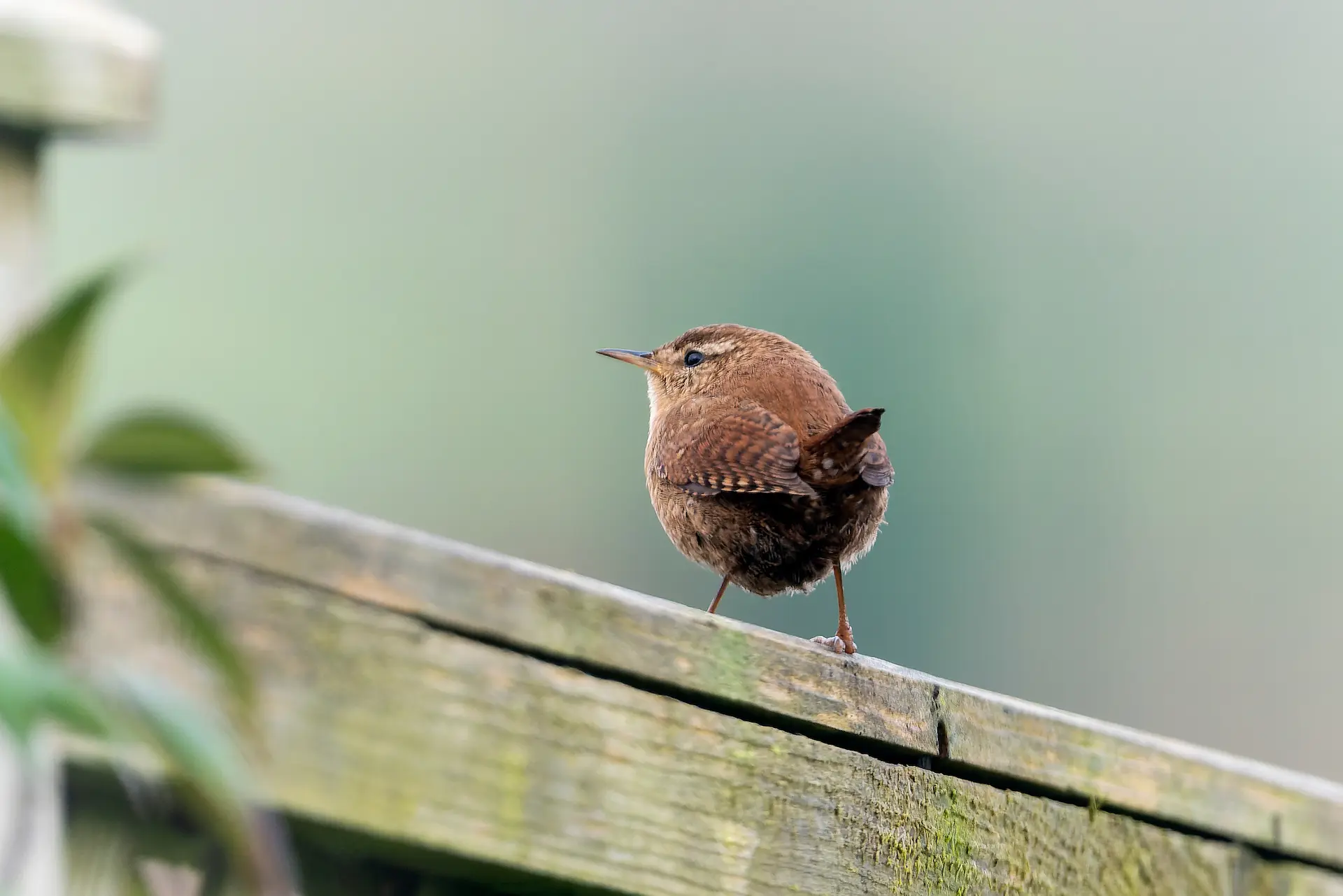
Even more remarkably, some birds continue to use flower materials for winter roosts. Wrens, those tiny brown birds that brave even the harshest weather, sometimes line their winter roosting holes with dried flower petals and other soft plant material. Multiple wrens may share a single roost, huddling together for warmth in a space softened by summer’s petals.
Creating Bird-Friendly Flower Gardens
Understanding these relationships opens up exciting possibilities for garden design. By selecting the right flowers and managing them appropriately, we can create spaces that support birds throughout the year.
For seed-loving birds, focus on plants that produce abundant, accessible seeds. Native thistles, if you can tolerate them, are unmatched for attracting goldfinches. Teasel provides both architectural beauty and excellent bird food, while sunflowers offer larger seeds for bigger birds. Don’t deadhead these plants—let them set seed and provide natural bird food.
For nest-building birds, include plants that provide suitable materials. Fruit trees offer spring petals for nest linings, while plants with fibrous stems like clematis and honeysuckle provide structural materials. Pussy willow and other catkin-producing plants offer soft materials that birds incorporate into their nests.
For insect-eating birds, focus on flowers that attract insects. Single-flowered varieties are generally better than doubles, as they’re more accessible to insects. Native plants like bramble, elder, and rowan support huge numbers of insects, which in turn feed birds.
Plant for succession throughout the year. Early spring flowers like crocuses feed the first insects, while late autumn flowers like Michaelmas daisies provide resources well into winter. This ensures that bird food is available across the seasons.
The Timing Game
One of the most fascinating aspects of bird-flower relationships is their precise timing. Many birds have evolved to nest when their preferred flowers are at peak bloom, ensuring maximum food availability for their young.
Goldfinches are late nesters, often not beginning their first brood until May or June. This timing coincides perfectly with the seed production of many of their food plants. While other birds are finishing their breeding season, goldfinches are just hitting their stride, taking advantage of the late summer abundance of seeds.
Linnets, close relatives of goldfinches, time their nesting to coincide with the flowering of gorse and other shrubs. The seeds of these plants provide essential nutrition for their young, and the timing has evolved to be remarkably precise.
Modern Challenges and Adaptations
Climate change and habitat loss are affecting these ancient relationships. Some flowers are blooming earlier due to warmer springs, potentially disrupting the timing that birds rely on. However, British birds are showing remarkable adaptability, with some species adjusting their breeding schedules to match changing flower timings.
Urban birds are also adapting to new opportunities. Goldfinches now regularly visit garden bird feeders, supplementing their natural diet of flower seeds with human-provided nyjer seeds. This adaptation has helped goldfinch populations recover from historical lows, though it’s the maintenance of flower-rich habitats that provides the foundation for their success.
The Bigger Picture
These bird-flower relationships are part of larger ecological webs that support entire ecosystems. When we plant flowers that attract seed-eating birds, we’re also supporting the insects that live on those plants, the spiders that hunt those insects, and the other birds that eat those spiders. Each flower in a bird-friendly garden becomes a small ecological hub, supporting multiple species across different seasons.
Watching and Learning
The best way to understand these relationships is to observe them yourself. Spend time watching birds in your garden or local green spaces, and note which flowers they visit and when. Keep a journal of bird-flower interactions through the seasons—you’ll be amazed at the patterns that emerge.
Look for the subtle signs: goldfinches with thistle down on their beaks, long-tailed tits carrying flower petals, greenfinches with sunflower shells scattered below their perches. These small details reveal the intricate connections that bind our native birds to the flowers they depend on.
A Year-Round Partnership
From the first spring crocuses to the last autumn asters, British birds and flowers maintain a constant dialogue of mutual benefit. Birds gain food, nesting materials, and shelter, while flowers receive pollination services and seed dispersal. This partnership has evolved over thousands of years, creating relationships so finely tuned they can seem almost magical.
By understanding and supporting these connections in our gardens and green spaces, we become part of this ancient conversation. Every flower we plant with birds in mind strengthens the web of relationships that makes our countryside so rich and beautiful. In a world where wildlife faces increasing challenges, these small acts of partnership building can make a real difference.
The next time you see a goldfinch on a thistle or find flower petals in a bird’s nest, remember that you’re witnessing one of nature’s most enduring partnerships—a relationship that changes with the seasons but remains constant in its importance to both birds and flowers across the British Isles.