I’m not complaining (well, maybe a little). But this heat has been truly intense lately, and it’s not just me who’s been struggling. The plants and animals have been having a tough time too.
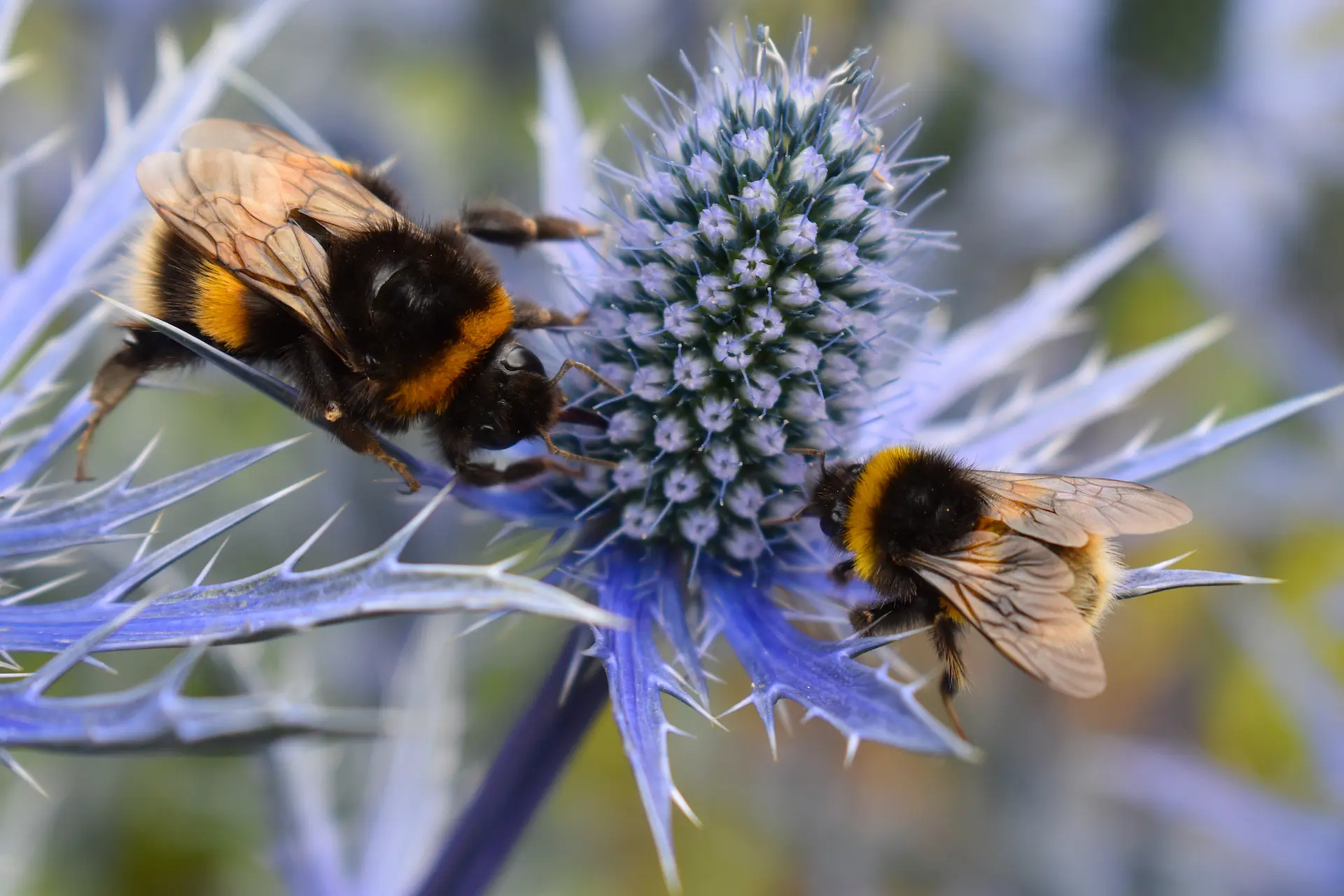
Most summers, I come across one or two bees lethargically crawling along the ground, clearly worn out from the heat and a hard day’s work. This year, however, I’ve already helped out half a dozen. So I thought it might be useful to share some tips on how we can help the wildlife through these hot summer days.
There are lots of small things we can do that make a big difference. I’ve put together a list of the most impactful things we can do to help out our garden friends this summer.
Water
This may sound pretty obvious, which it is, but how you provide the water does make a difference.
- Keep it shallow: Any shallow dish or container will work, such as a plant saucer or old kitchen dish, but try to keep the water level to a depth of between 2 and 5cm. This allows birds to bathe safely and helps ensure smaller creatures don’t drown. It’s worth placing a few stones in the water too, so flying insects like bees have somewhere to land. If the sides of the container are steep, the stones also give wildlife a way to climb in and out.
- Placement matters: Try to position your water sources in spots that offer some protection. While it might seem logical to place them near hedges and shrubs where wildlife might be, try to keep them slightly away from dense cover to avoid predators like cats, which use such spots to ambush thirsty visitors.
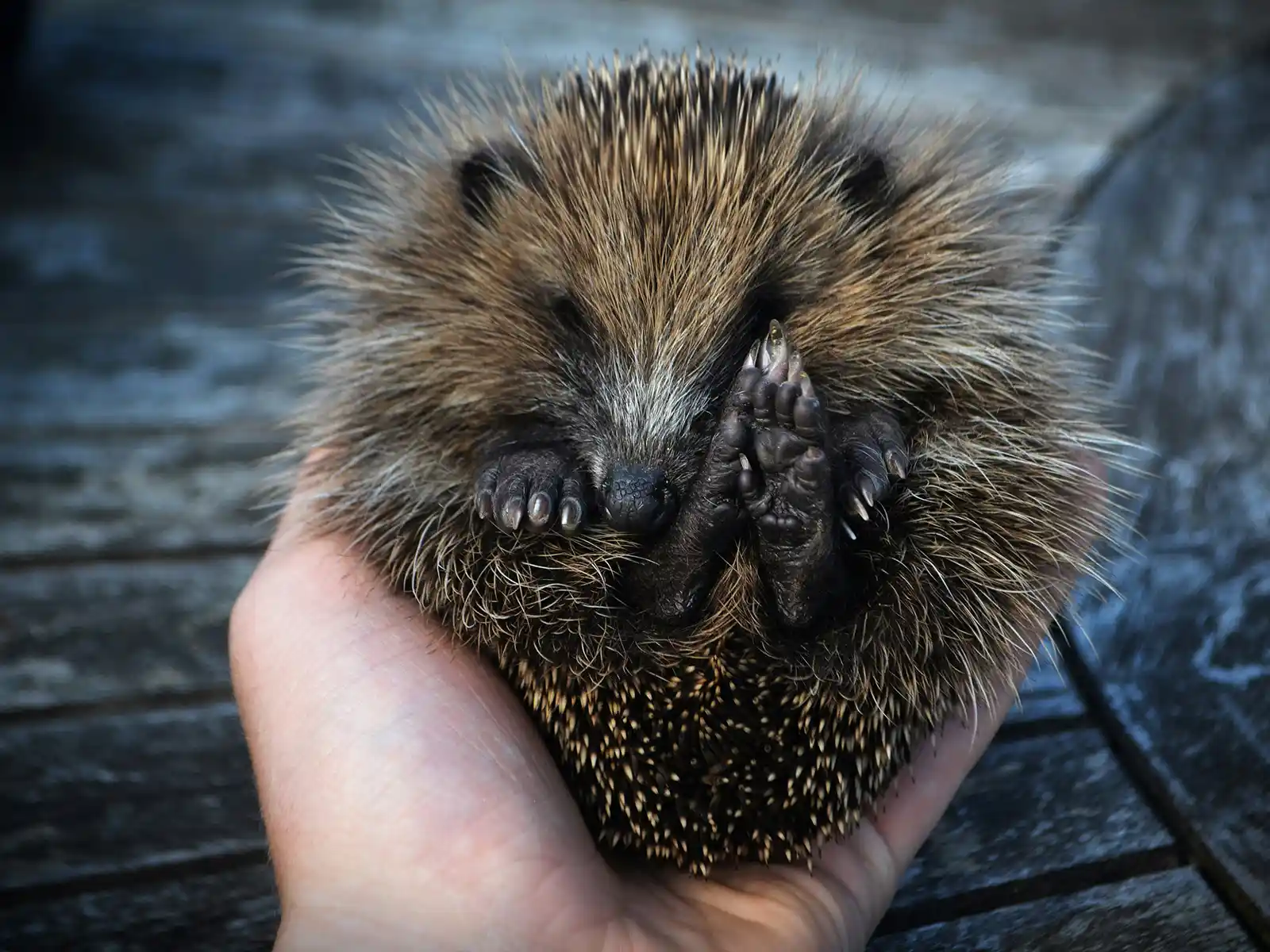
- Multiple locations: If possible, try to place a few water sources around the garden and at different heights: on the ground for animals like hedgehogs, toads, and frogs, and up high for the birds. This also reduces competition and the risk of disease transmission.
- Hygiene and maintenance: Keep an eye on the condition of the water. Ideally, refresh it daily, but I understand this can be difficult. Heat encourages the growth of bacteria and algae, so if you notice any discolouration, change the water. If you notice any algae building up on the surface of the container, give it a scrub using only water, and avoid detergents or bleach.
Shade
In the heat of the day, having a place where wildlife can hide from the sun can be a lifesaver for them.
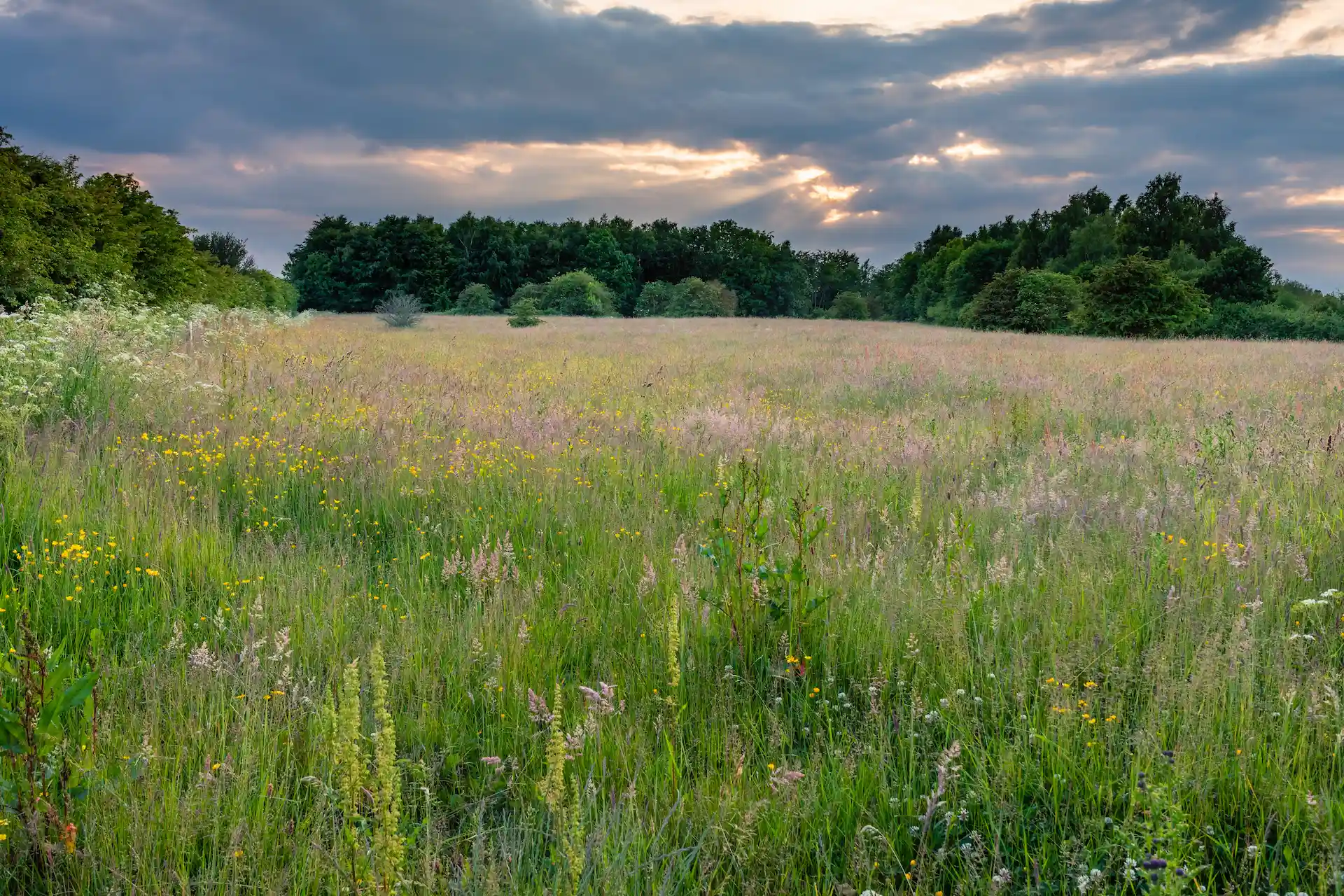
- Keep it messy: Good news: you can take a break from mowing the lawn for a few weeks. You don’t have to leave your whole garden unmowed, but allowing the grass to grow long creates a cooling canopy at ground level, which is essential for amphibians like frogs and toads, as well as ground-nesting insects.
- Build a damp hideaway: A simple log pile or a collection of stones in a shaded corner of the garden stays significantly cooler than the surrounding air. If you have an old, upturned terracotta pot, place it in a shaded spot and prop one edge up with a stone. This creates a perfect “cool room” for insects and small mammals to wait out the hottest part of the day.
- Protect your soil: If you have bare patches of earth, cover them with a layer of mulch or leaves. This traps moisture in the soil, keeping the surface temperature down and protecting the worms and beetles that birds and hedgehogs rely on for food.
Food
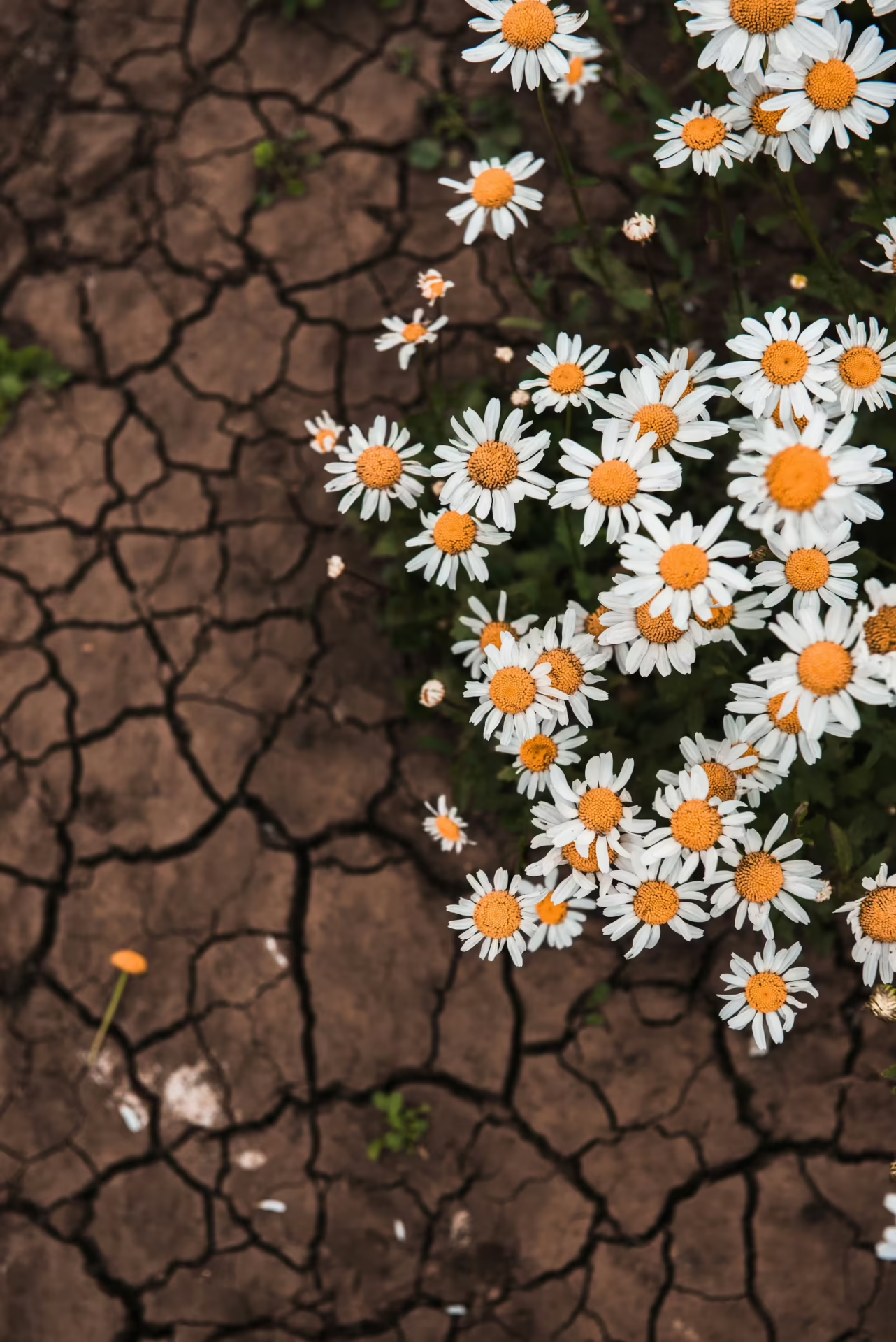
Finding food in a heatwave is a challenge for our wildlife friends. The ground can become hard and dry, making it almost impossible for birds and hedgehogs to dig for worms and insects.
- Go for moisture-rich options: Dry food like hard pellets or seeds can be difficult for animals to digest when they are dehydrated. If you are feeding hedgehogs, offer them wet cat or dog food instead of dry biscuits. Remember though, don’t give hedgehogs anything with milk, as they’re lactose intolerant. Birds generally need less help to find food in the summer, but they can still benefit from a helping hand: try providing softened suet or high-quality fat nibbles, as these provide an energy boost without the effort of hunting.
- Location is everything: Always place food in a shaded area. If you leave fat-based foods in direct sunlight, they will melt and become messy or even go rancid, which can harm the birds.
- The “double-up” rule: Always place your food station right next to your water source. This encourages animals to drink while they eat and minimises the amount of energy they have to spend travelling between the two.
Spot a struggling animal?
It is not always obvious when an animal is in trouble, but a little observation goes a long way. If you see wildlife acting out of character, it is often a sign that they are struggling to cope with the heat.
- Look for the signs: If you see a nocturnal animal like a hedgehog out during the day, this is a red flag. They are usually hunting at night to avoid predators and heat. A bird that is panting with its wings spread wide is also a sign that it is severely overheated.
- The “first aid” approach: If you find a bee that seems exhausted, you can gently place it on a flower or offer a small drop of sugar water on a spoon. This quick boost can give them the energy they need to return to the nest.
- When to call in the experts: If you find an animal that appears injured, unable to move, or shows no signs of improvement after you have offered water and shade, do not try to nurse it yourself. Keep the animal in a quiet, dark box, keep it away from pets, and contact a local wildlife rescue.
- Use the right resources: The Help Wildlife directory (helpwildlife.co.uk) is the best place to find a reputable rescue centre near you. It is better to seek professional advice early than to wait until an animal is beyond help.
None of this needs to be complicated or expensive. A shallow dish of water, a patch of long grass, a bit of shade: these small changes can make a real difference to the wildlife sharing our gardens this summer. So next time you spot a lethargic bee on the pavement, you’ll know exactly what to do.