Spring Wildlife
A Guide to UK Wildlife & Garden Flowers
Nature's Spring Awakening
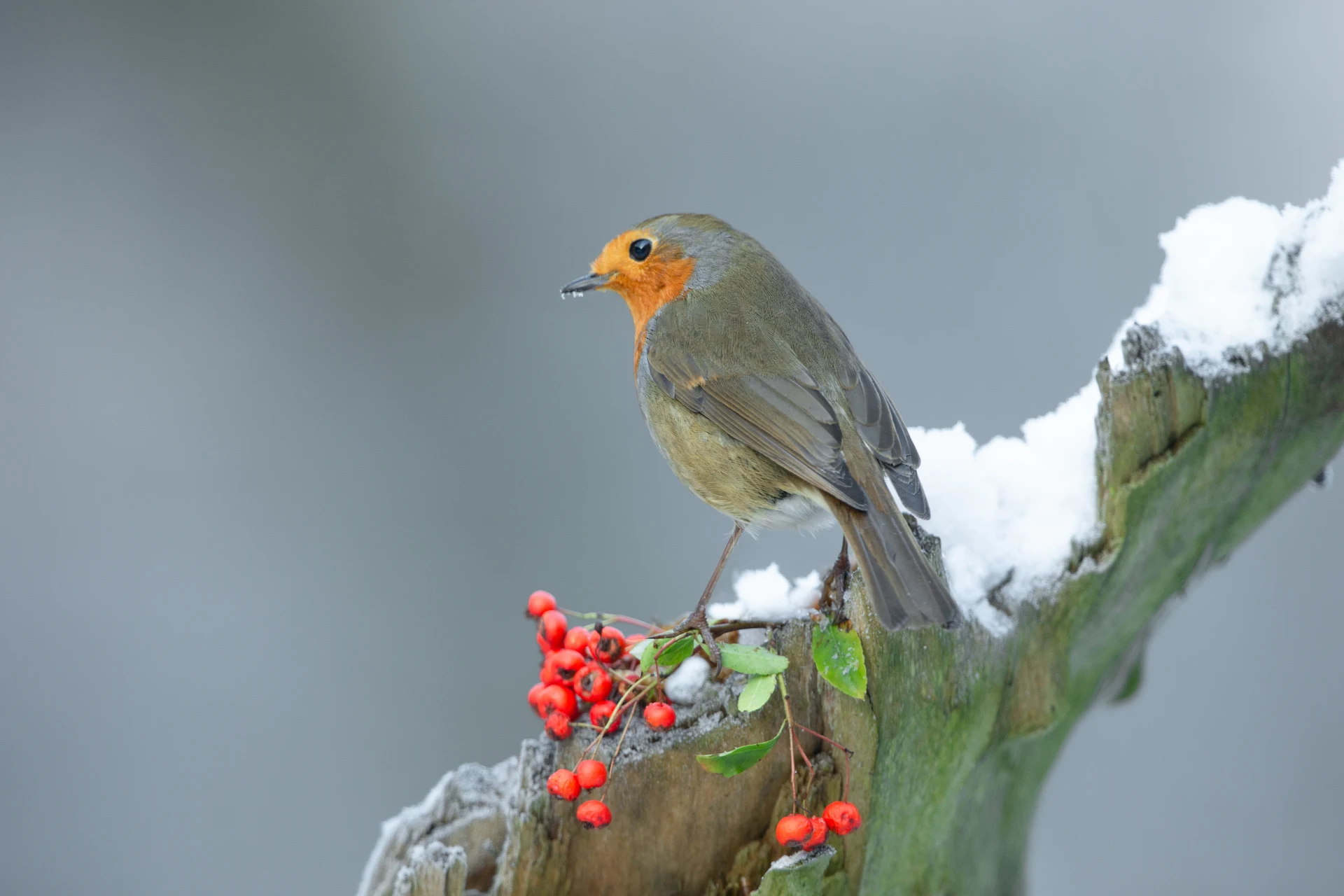
Spring in the UK is nature's grand awakening. As temperatures rise and daylight hours lengthen, the countryside comes alive with returning migrants, emerging mammals, and the first stirrings of breeding activity. From the cheerful song of robins establishing territories to the busy hum of early bees visiting daffodils, spring offers some of the most rewarding wildlife watching opportunities of the year. This season of renewal presents the perfect time to start supporting the wildlife that will be active throughout the coming months.
Wildlife to Spot This Season
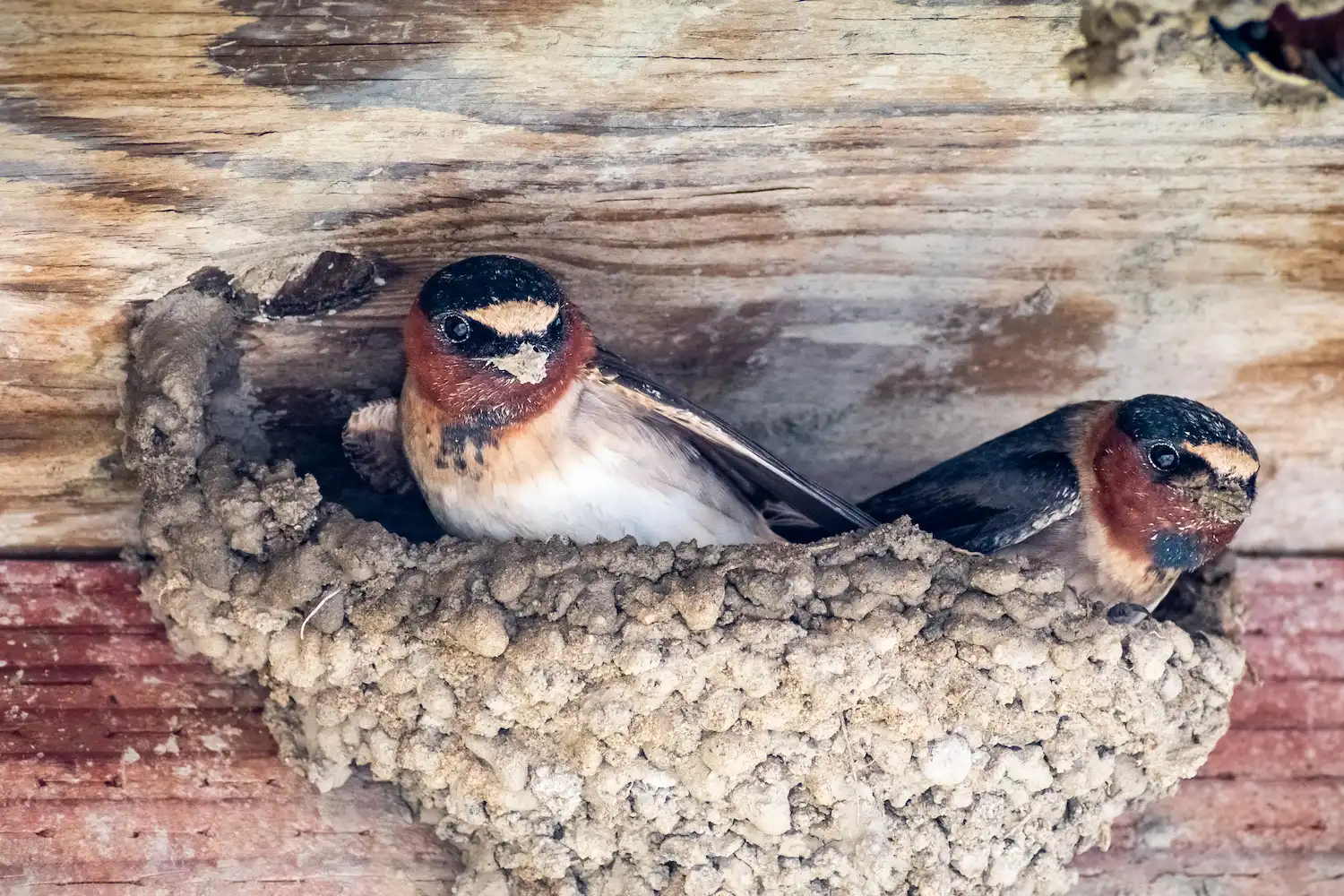
Swallow
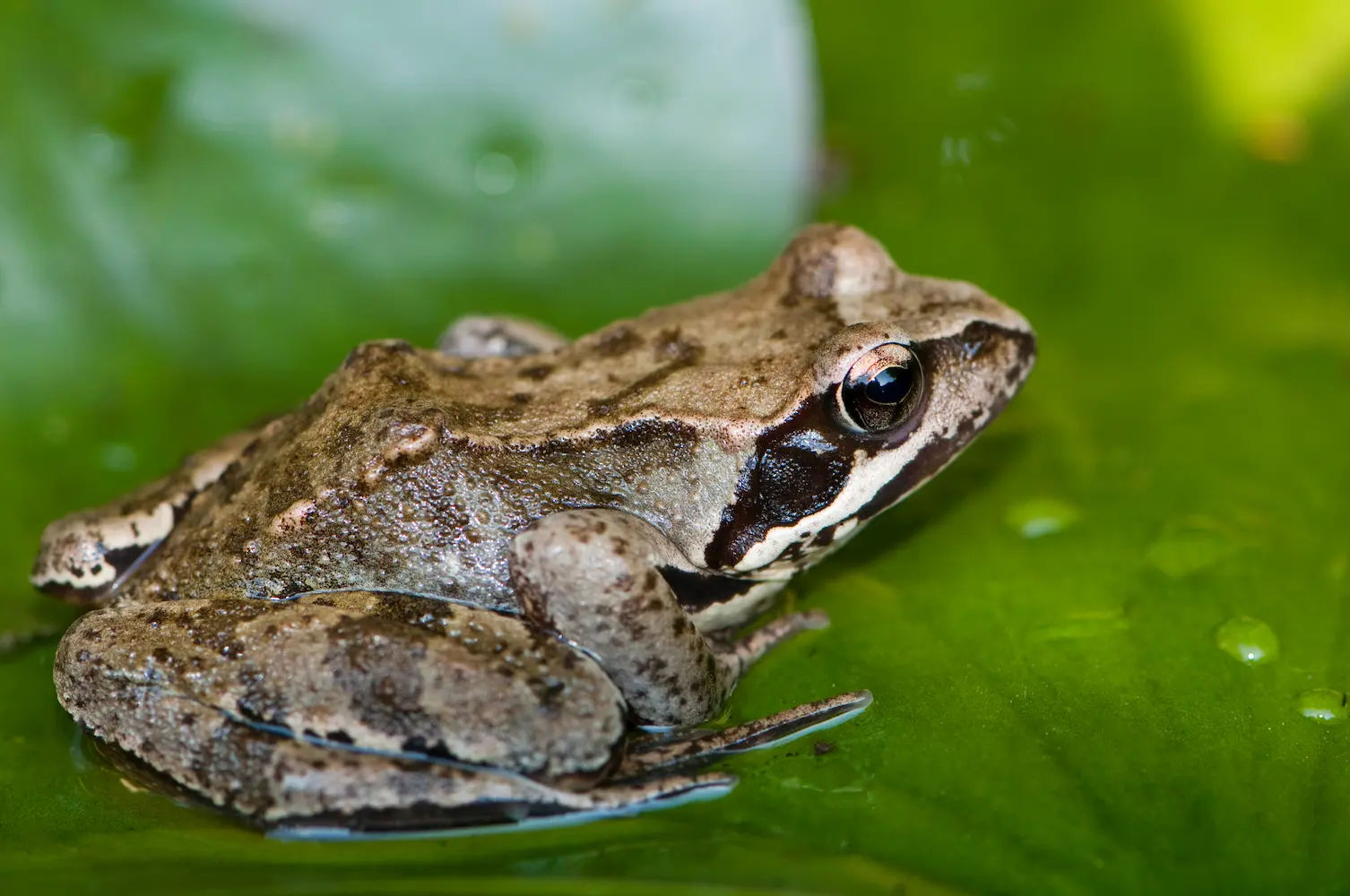
Common Frog
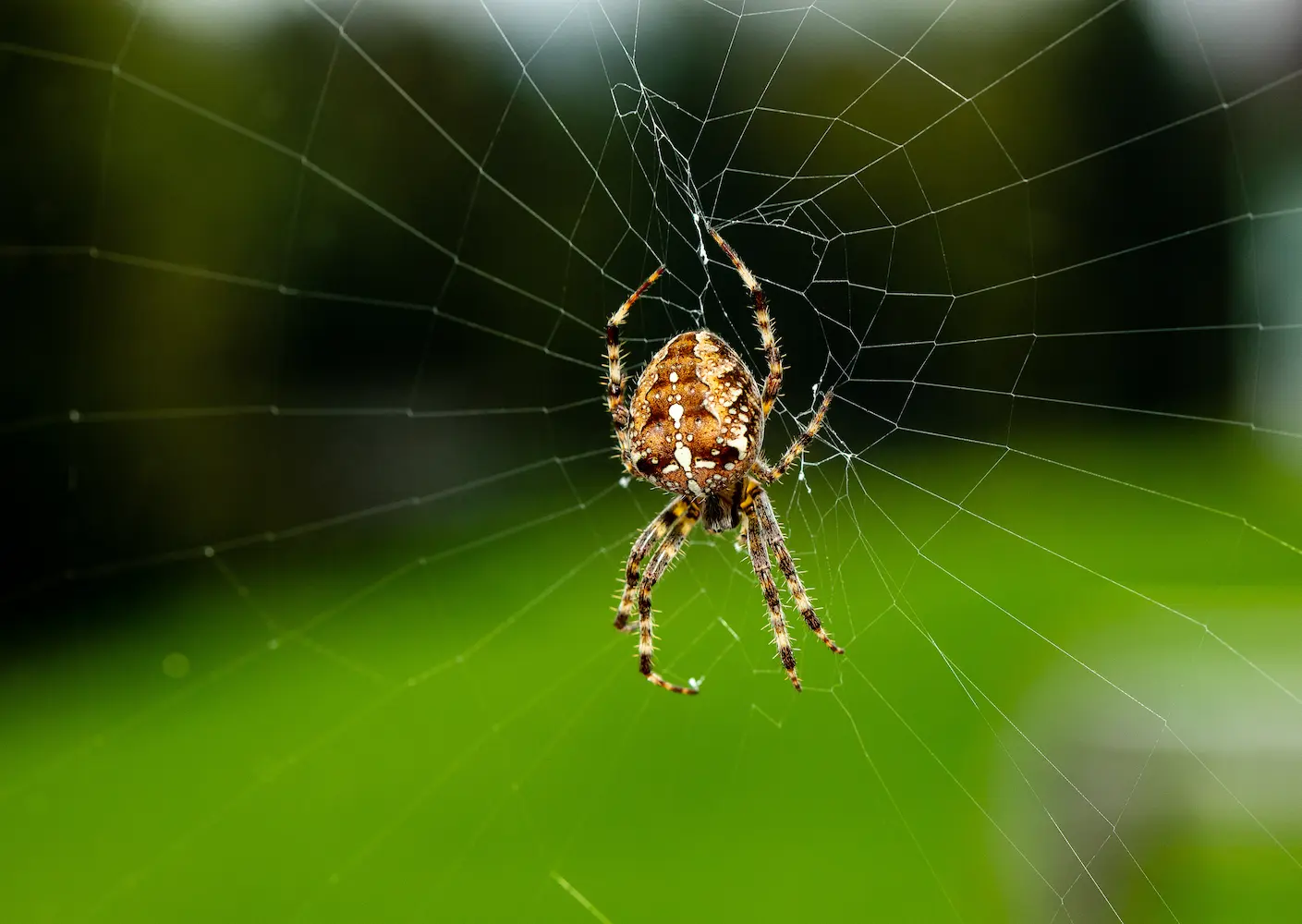
Garden Spider
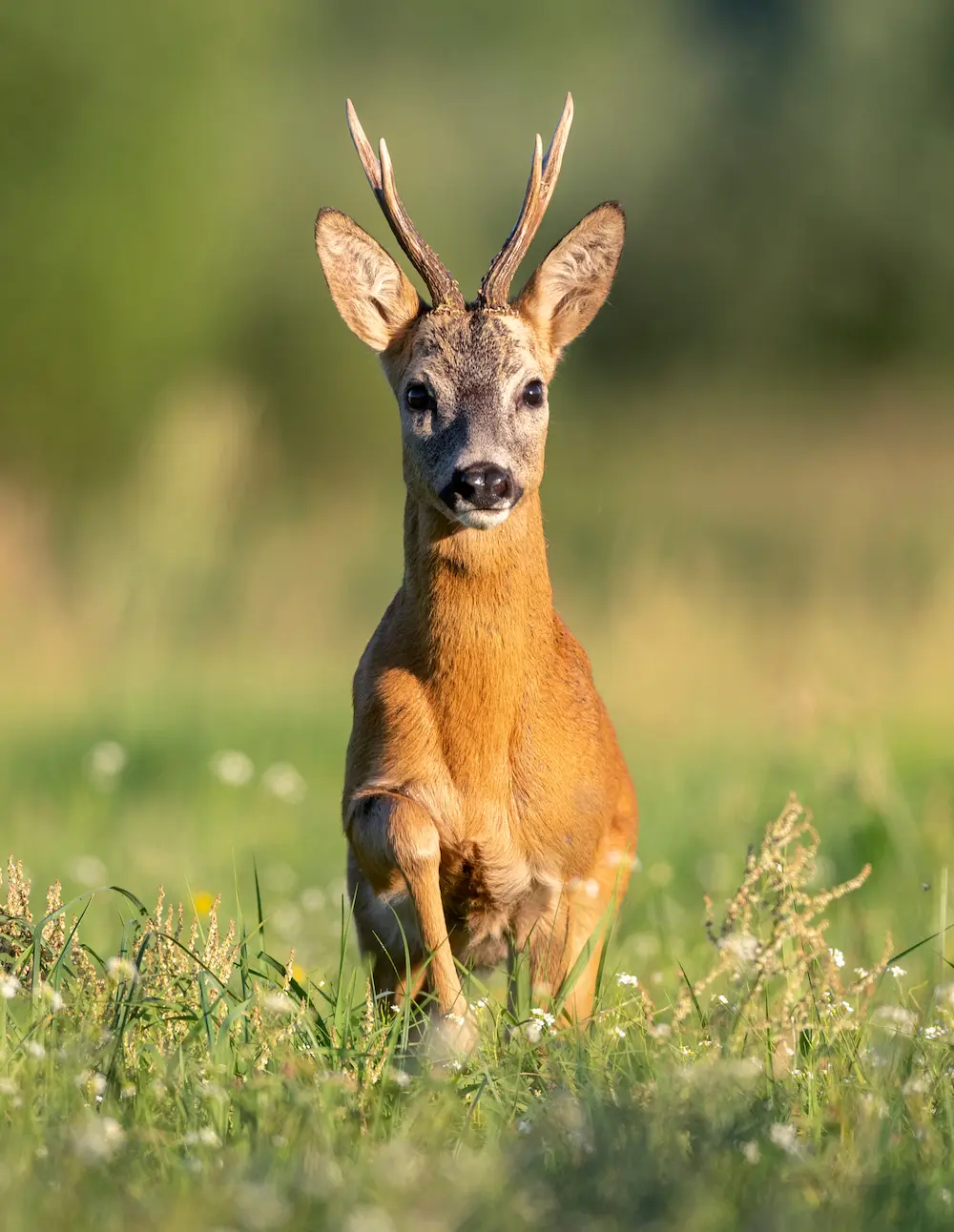
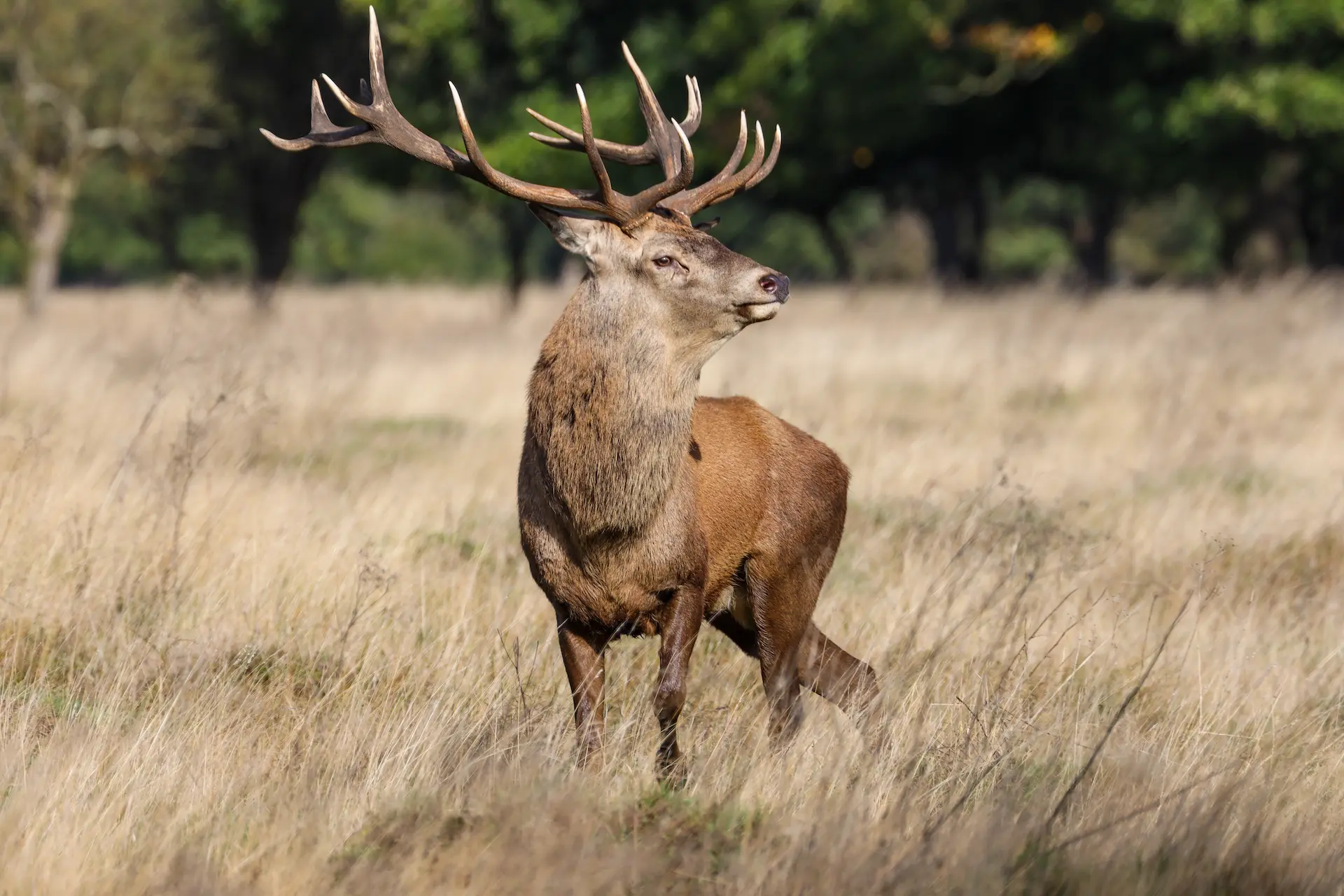
Roe Deer

Hedgehog
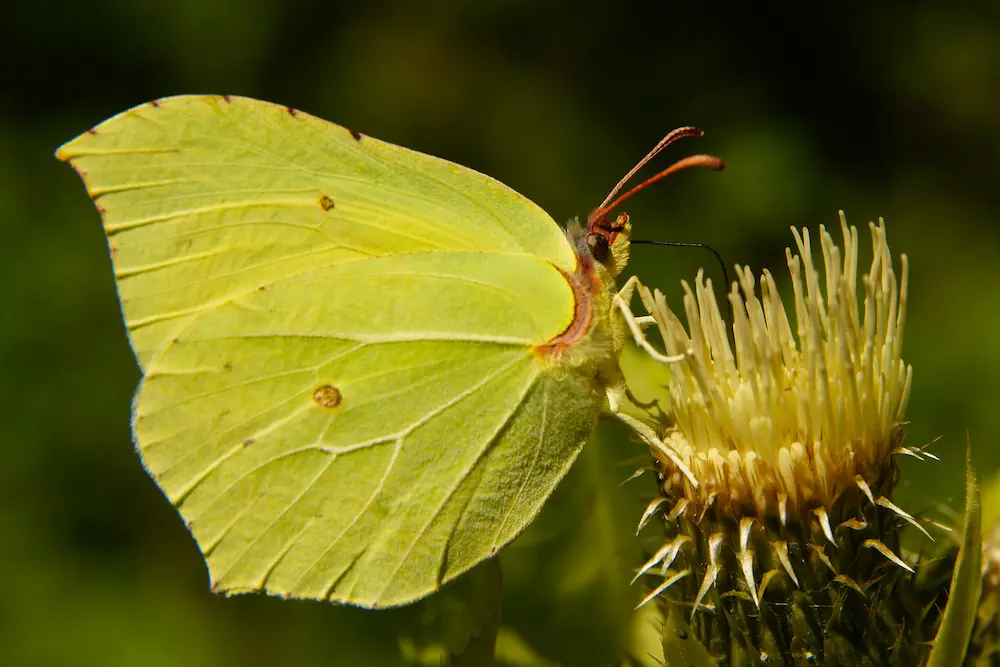
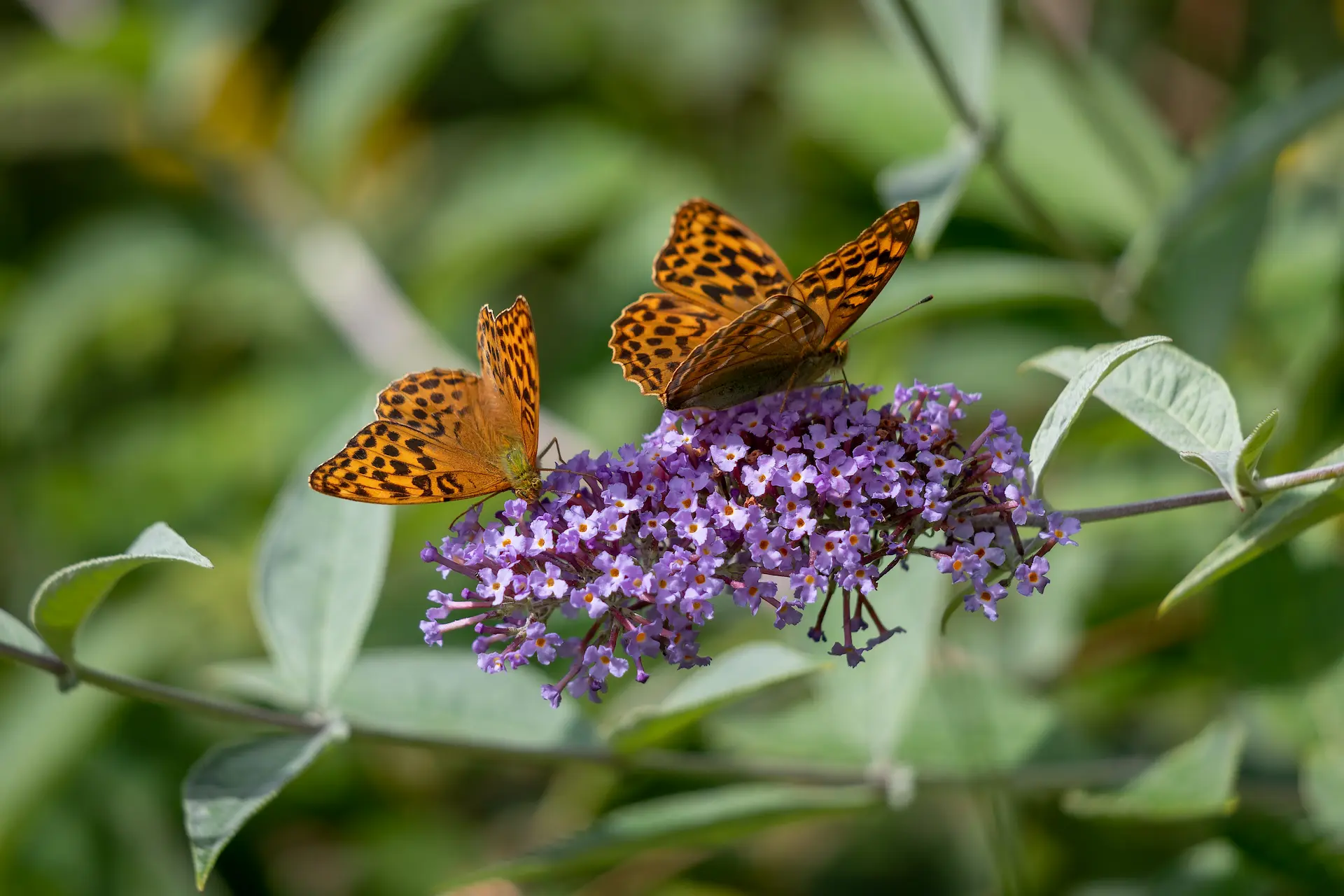
Brimstone Butterfly

Spring Wildlife Behaviour
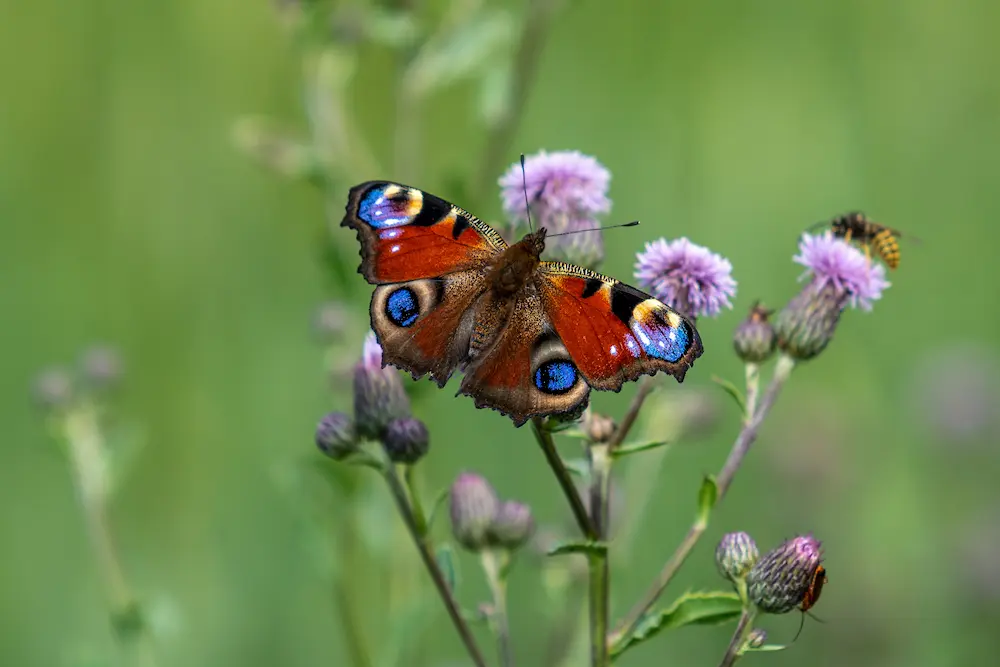
March through May sees an explosion of wildlife activity across the UK. Migrant birds begin returning from their winter quarters – swallows arrive in April, followed by house martins and swifts in May. Early emerging butterflies like brimstones, peacocks, and small tortoiseshells take advantage of spring flowers for nectar. Hedgehogs emerge from hibernation, often looking rather thin after their long winter sleep.
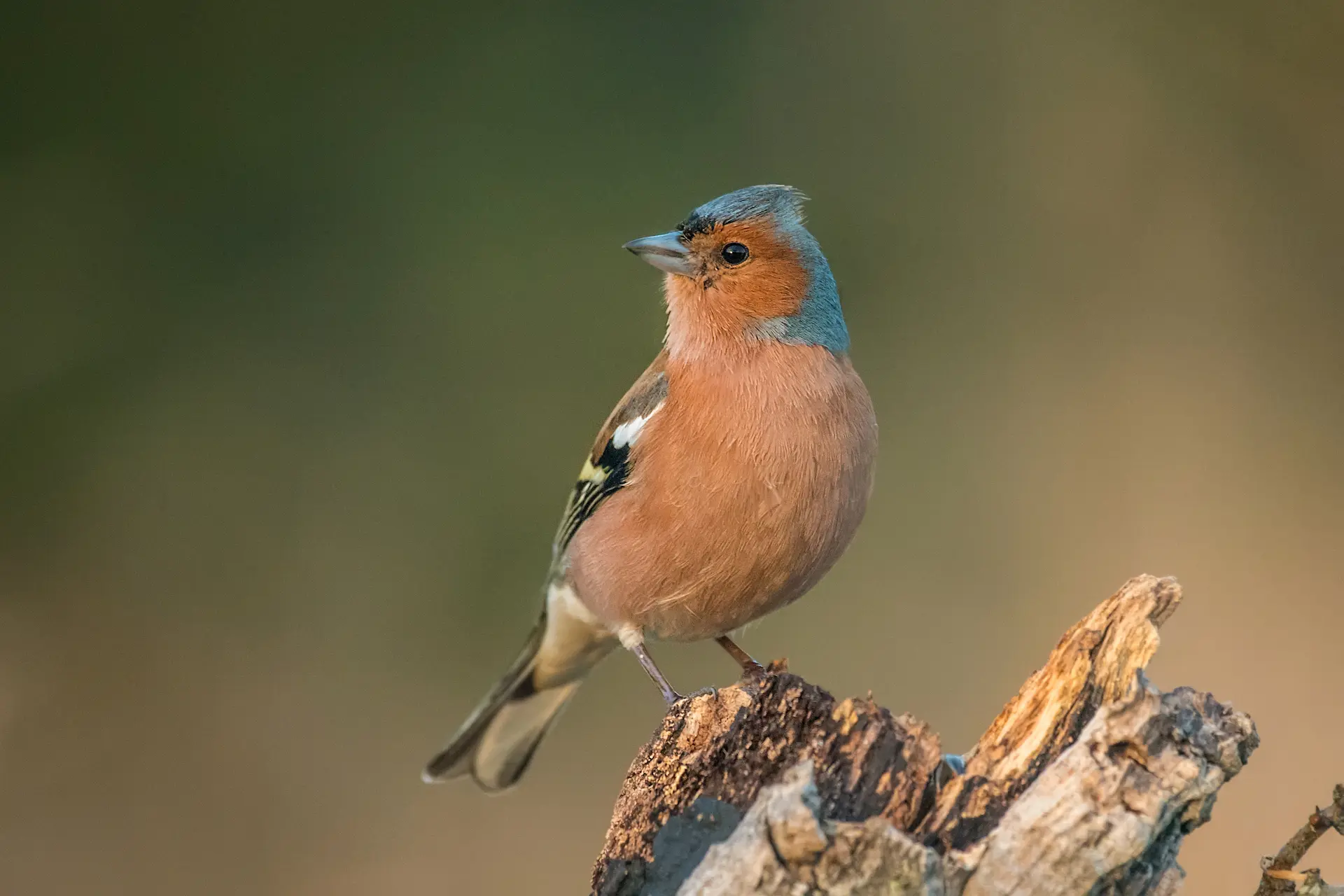
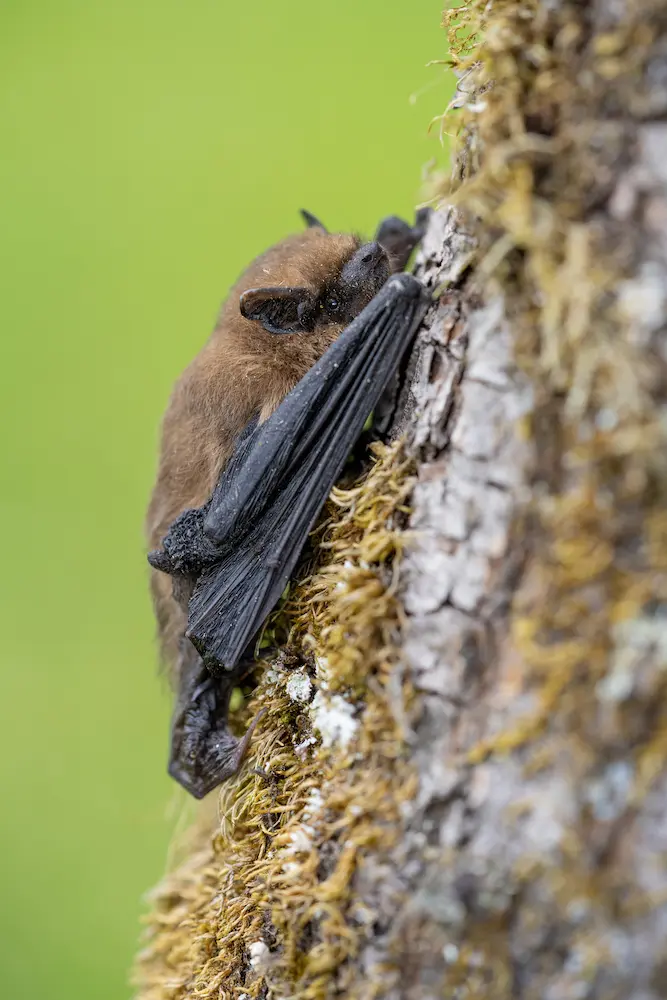
Amphibians are particularly active, with frogs and toads migrating to breeding ponds. Common lizards bask in sunny spots, while grass snakes begin hunting near water. Early flying bats include pipistrelles and noctules, taking advantage of emerging insects. Garden birds like blackbirds, thrushes, and wrens are busy establishing territories and beginning to nest.
Plant Life Supporting Wildlife
Spring wildflowers provide crucial early nectar sources. Primroses, violets, and lesser celandine feed emerging queen bumblebees and early butterflies. Pussy willow catkins are vital for early moths and bees, while blackthorn blossom supports numerous insects. Dandelions, often dismissed as weeds, are actually important early food sources for over 90 species of insects.
Tree buds opening provide food for various species – catkins feed birds like siskins and redpolls, while fresh leaves support the caterpillars that will feed countless nestlings throughout the season.

How You Can Help Spring Wildlife
In Your Garden:
- Leave areas of long grass for small mammals and ground-nesting insects
- Plant early flowering bulbs like crocuses, snowdrops, and daffodils
- Avoid cutting back perennial plants until late spring – they shelter overwintering insects
- Provide shallow water sources for drinking and bathing
- Create brush piles for hedgehogs and small mammals
Community Actions:
- Join local wildlife surveys to monitor returning migrants
- Support creation of wildflower meadows and community gardens
- Campaign for wildlife-friendly management of public green spaces
- Participate in citizen science projects tracking spring wildlife emergence
Sustainable Practices:
- Delay garden tidying until temperatures consistently stay above 10°C
- Use organic methods to avoid harming beneficial insects
- Create wildlife corridors by connecting your garden to neighboring green spaces