Spring is almost here. The clocks have just gone forward, and with them comes that familiar, gentle sense of disorientation, a mild kind of jet lag we all seem to share for a day or two. But it’s a small price to pay for longer, lighter evenings and the quiet promise of the season ahead.
Across the garden and countryside, the earliest British blooms are beginning to stir. Buds are opening, colour is returning, and after months of grey skies, there’s a renewed sense of life in the air. With Easter just around the corner, it feels like the perfect moment to embrace these seasonal shifts, whether that’s enjoying a little extra chocolate without too much guilt, or bringing the freshness of spring indoors.
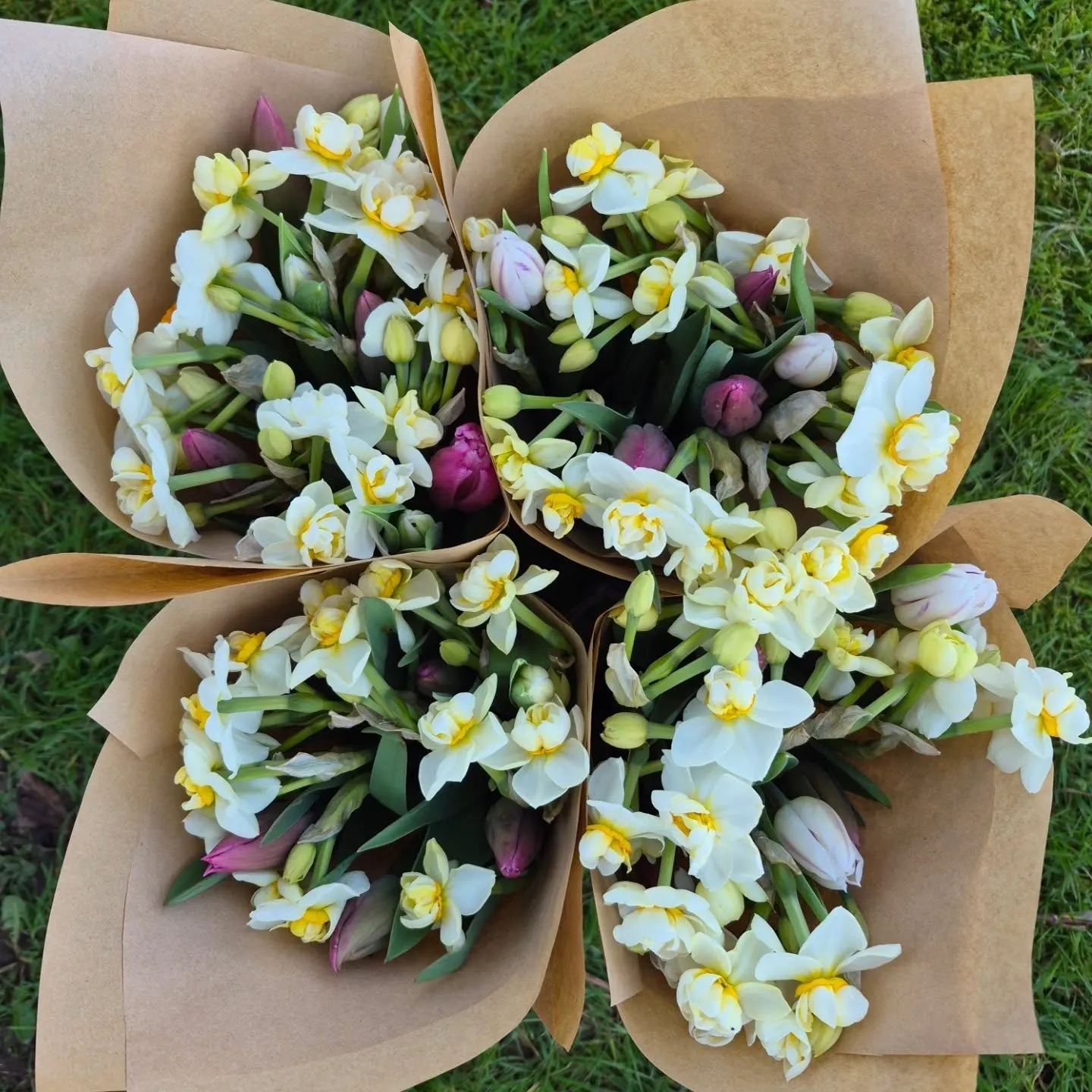
Easter flowers offer a simple, beautiful way to mark the occasion. Classic British favourites like daffodils, tulips, and lilies bring with them a palette of soft whites and warm, golden yellows, tones that reflect the light and optimism of the season. Arranged on a table, placed on a windowsill, or dotted throughout the home, they instantly lift a space.
While we still love these familiar spring staples, the specific varieties we see most often have changed over the decades. As the flower trade became more global, blooms were bred for sturdiness and uniformity so they could survive long journeys in refrigerated crates and arrive looking identical. If you’ve ever grown flowers yourself, you’ll know just how difficult that is to achieve naturally. But then, do we really want all our flowers to look the same? It is the variation, the movement, and the small imperfections that make a bouquet feel alive.
In that shift towards uniformity, some of our most remarkable British heritage varieties began to quietly decline. They didn’t disappear because we stopped loving them. They simply weren’t suited to being transported thousands of miles in a cardboard box, and who can blame them. These are the quieter flowers, those with rich fragrance, intricate detail, and delicate stems that ask for a local grower’s care.
Fifty years ago, the flowers on that table might have looked a little different. More delicate, more characterful, and often far more fragrant. On our farm, we are working to bring some of these lost beauties back, with the hope that one day they will return to people’s tables and be part of the center piece when your digging into your roast lamb and spring vegetables. these are some of the varieties that have quietly declined but that would once have been considered Easter staples in the time before imported blooms.
Snake’s Head Fritillary
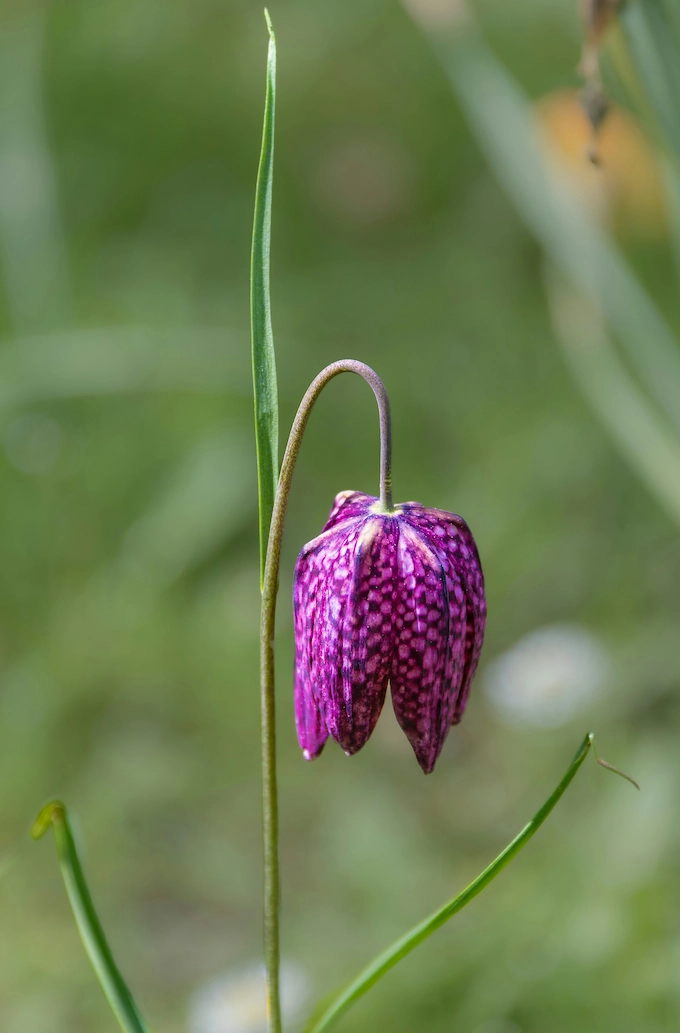
A rare glimpse of the ‘Checkered Belle’ waking up in our damp spring meadows.
These nodding, purple-checkered bells were once so common in British meadows that they were sold by the armful in Covent Garden. They are far too delicate to be shipped and packed tightly, but in a simple glass jar, they are the most sophisticated sight of spring.
Pheasant’s Eye Narcissus
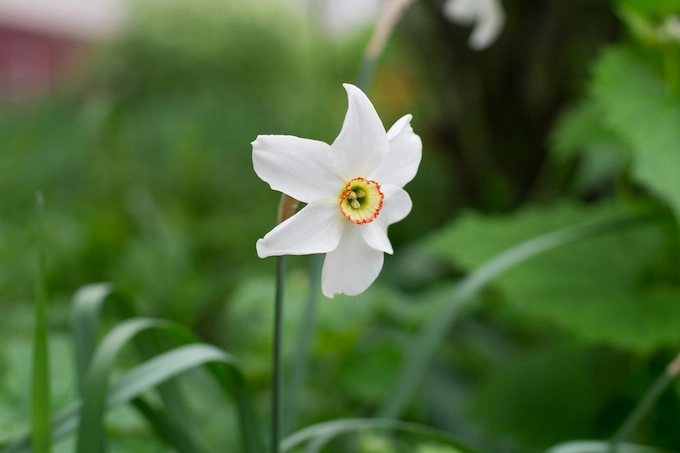
The heritage ‘Poet’s Daffodil’ — prized for a spicy, honey-like scent that modern varieties have largely lost.
While supermarket daffodils have been bred for thick, “cardboard” petals that survive shipping, they lost their scent along the way. The Pheasant’s Eye is our heritage narcissus. It’s a late-bloomer with a spicy, intoxicating perfume that can fill an entire room.
Narcissus pseudonarcissus
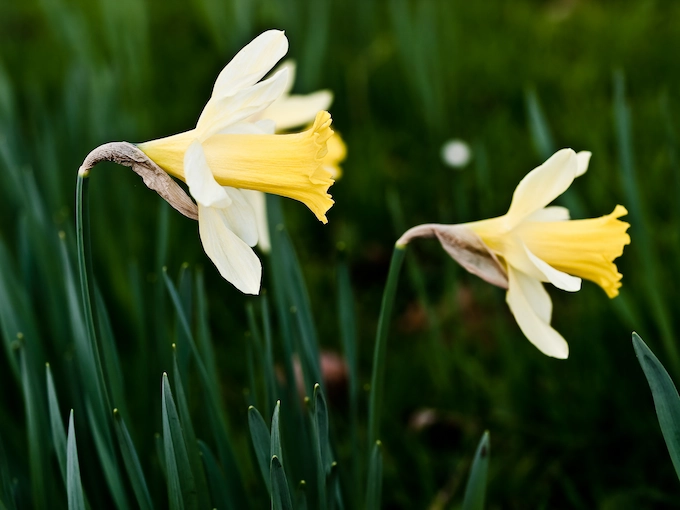
Our native wild daffodil, Narcissus pseudonarcissus, showing the graceful, pale elegance that inspired Wordsworth.
Commonly named the wild daffodil or Lent lily, these are much smaller and more delicate than the commercial varieties we see today. These tiny, pale, wild daffodils are the original Easter daffodil and used to carpet British woodlands, though they are much harder to find now. It is believed to be this specific “crowd of golden daffodils” that inspired William Wordsworth to write his famous poem, “I Wandered Lonely as a Cloud”, after he spotted them dancing near the shores of Ullswater.
Lenten Rose (Hellebore)
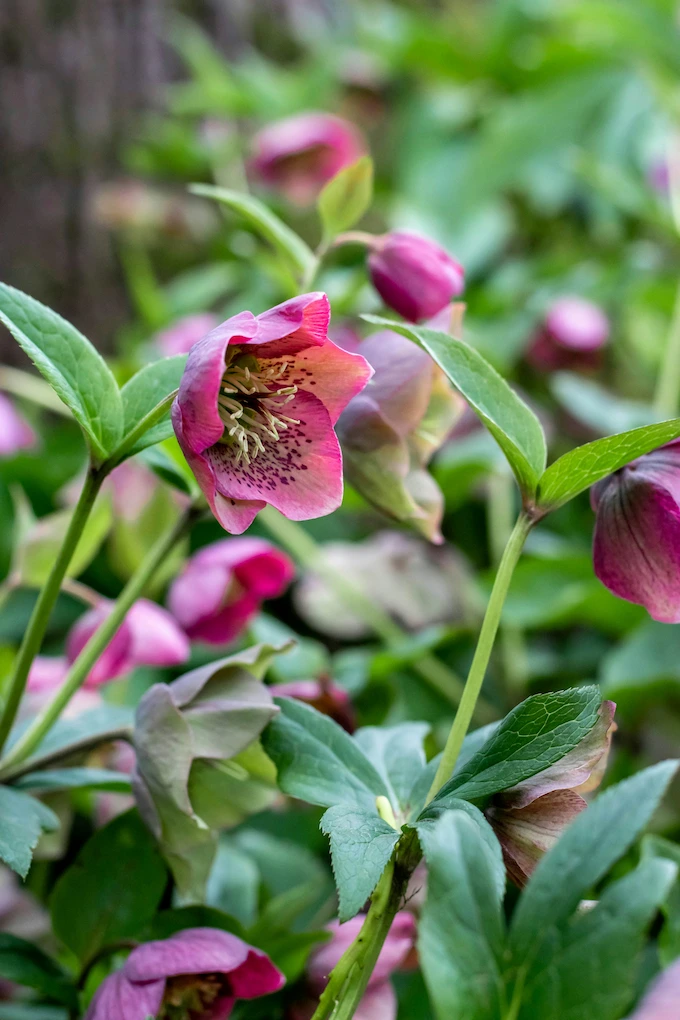
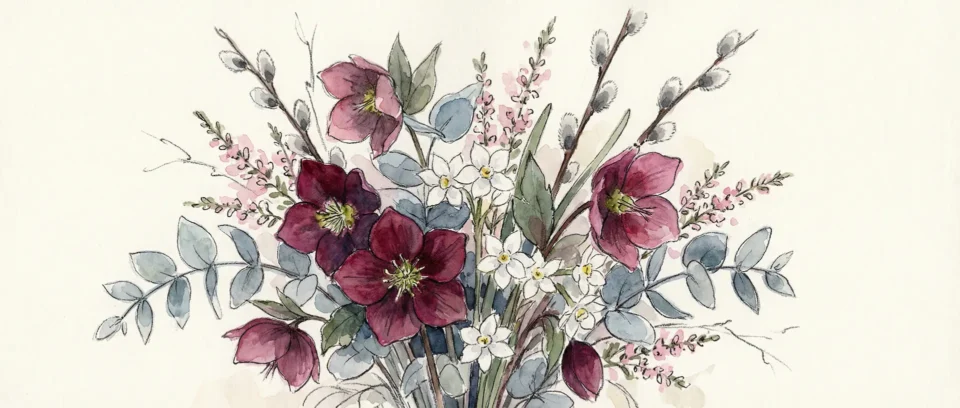
Delicate Hellebores captured at dawn; these ‘divas’ of the garden require a local grower’s careful hand to truly thrive.
Hellebores are the true guardians of Easter. They are “divas” because they wilt the moment they are put in a shipping crate, which is why you’ll never find them in a supermarket. They belong to the local grower who can cut them at dawn and have them on your table by noon.
Double Primroses
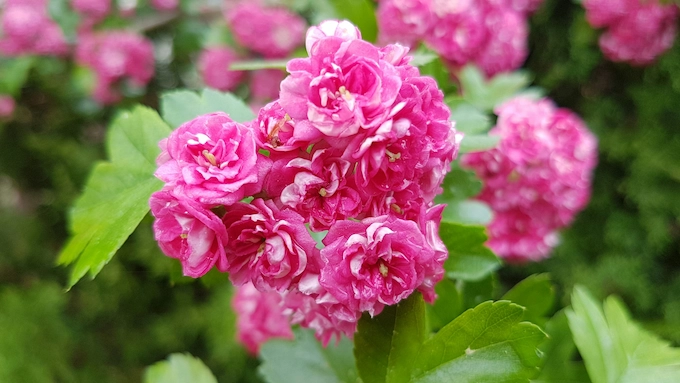
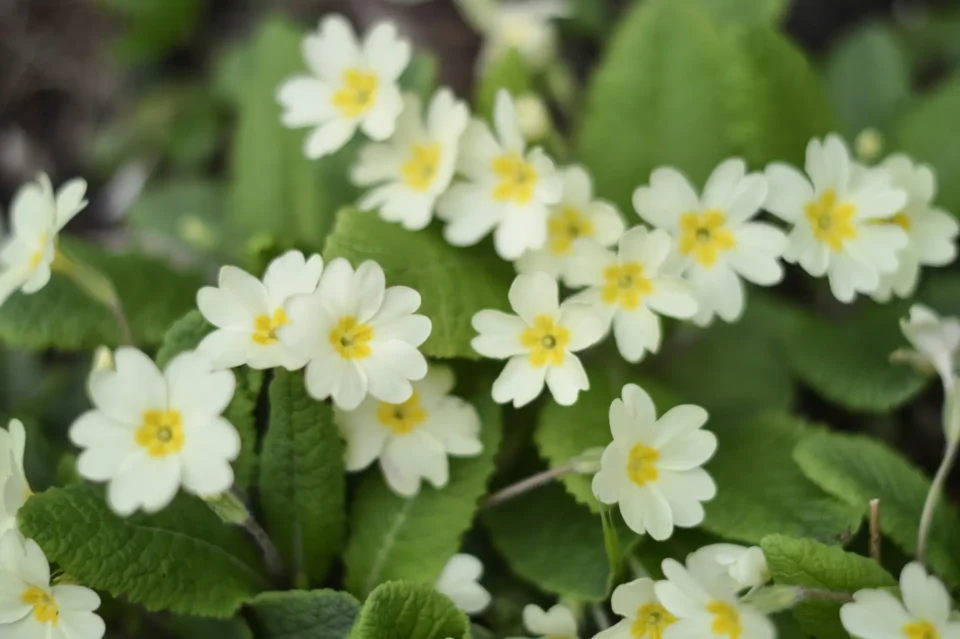
Intricate and ruffled, these Victorian favorites look more like tiny roses than the common primrose we see today.
Looking like miniature, ruffled roses, these were the stars of Edwardian Easter bouquets. They are too low-growing for industrial machines to harvest, but for a hand-picked bouquet, they are the ultimate “hidden gem.”
When you choose these heritage stems, you are doing more than decorating a table. You are helping to keep these unique pieces of British growing history alive and rooted in our soil. This Easter, we invite you to look beyond the uniform and rediscover a spring that is wild, scented, and full of character, just as it has always been.